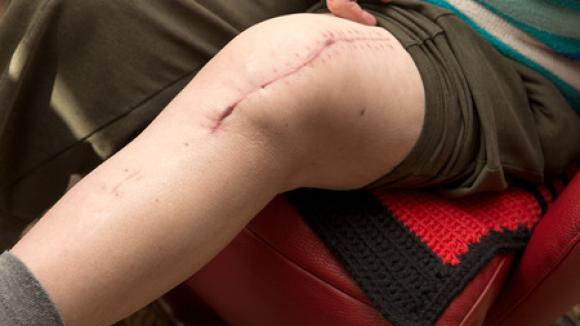
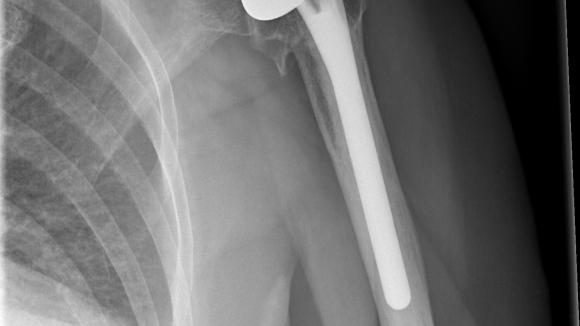
The antidiabetic and weight-loss drug semaglutide (Ozempic, Wegovy, Rybelsus) either does or does not help patients undergoing total hip arthroplasty (THA) avoid complications and other poor outcomes, according to two retrospective studies presented here.
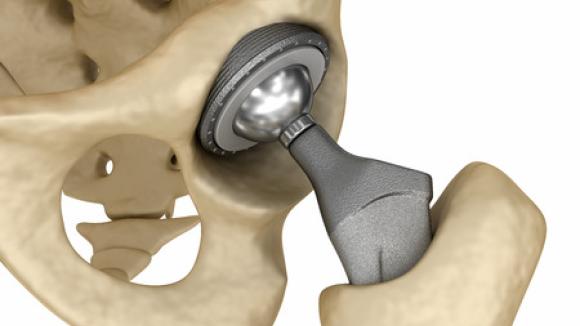
All News
Dr. Jack Cush reviews the news and journal reports from this past week on RheumNow.com. How good (or not) are rheumatologists and what to do about MTX nodulosis?
The role of thromboprophylaxis following total hip (THA) or total knee arthroplasty (TKA) is uncertain and consensus is lacking. A recent study suggests that thromboprophylaxis strategies should be tailored to individual risk of thrombosis and bleeding.
A study of nearly 80,000 US veterans who underwent primary knee joint arthroplasty (TKA) showed the incidence of prosthetic joint infection (PJI) was highest in the first 3 months and remained elevated through 12 months compared with 12 months or more after surgery.
Dr. Jack Cush reviews the news and journal reports from this past week on RheumNow, and introduces our September campaign - "Hard Decisions in RA".
A prospective, pragmatic, open-label, randomized trial conducted by the UK National Health Service, studied interventions in patients with carpal tunnel syndrome (CTS) and found no advantage to either CTS corticosteroid injection (CSI) or night splinting (NS) as the initial treatment of CTS.
EULAR 2023 launched today to crowds of attendees. The opening Plenary session and presidential address by Dr.
Next-generation DNA sequencing (NGS) techniques show the presence of bacterial DNA in surgical specimens of hip and knee arthritis, from patients undergoing first-time total joint arthroplasty, reports a study in The Journal of Bone & Joint Surgery.
This week on the podcast Dr. Jack Cush reviews the news, regulatory announcements and novel journal reports including a profile on pseudogout, the safety of immune checkpoint inhibitors in RA patients and the diagnostic importance of neutrophils.
The American College of Rheumatology (ACR) and the American Association of Hip and Knee Surgeons (AAHKS) released a summary of its new guideline titled “The Optimal Timing of Elective Hip or Knee Arthroplasty for Patients with Symptomatic Moderate to Severe Osteoarthritis or Osteonecrosis Who Have Failed Nonoperative Therapy.”
A prospective, pragmatic, open-label, randomized trial conducted by the UK National Health Service, studied interventions in patients with carpal tunnel syndrome (CTS) and found no advantage to either CTS corticosteroid injection (CSI) or night splinting (NS) as the initial treatment of CTS.
A study led by Vinod Dasa, MD, Professor of Orthopaedics at LSU Health New Orleans School of Medicine, reports that a novel surgical pain management strategy following total knee arthroplasty (TKA), or total knee replacement, provided pain relief without opioids.
The need for total shoulder arthroplasty (TSA) in rheumatoid arthritis (RA) patients appears to depend on the use of disease modifying antirheumatic drugs (DMARDs), according to Seminars in Arthroplasty.
Dr. Jack Cush reviews the past week of news on RheumNow.com.
Recent NEJM has reviewed arthroplasty-associated infection and periprosthetic joint infections (PJI), noting this is a rare event; notably these infections are caused by skin microorganisms introduced during arthroplasty surgery or may be seeded post-surgically, via hematogenously spread or compromised local tissues (skin or bone).
Substandard Therapy in Rheumatoid Arthritis
Clinicians could improve outcomes in their patients with rheumatoid arthritis (RA) by paying attention to certain markers of care quality, such as early referral to certified rheumatologists and prescribing standard drugs for RA, new research suggested.
Hamilton, ON (Oct. 4, 2022) – Patients can recover from orthopedic surgery just as well without using opioid-based painkillers, says a McMaster University and Hamilton Health Sciences (HHS) study published by the Journal of the American Medical Association (JAMA).
Aside from cost, there are significant concerns regarding efficacy and safety outcomes and recovery time. These issues are compounded with the need for bilateral TKR, wherein the patient and surgeon need to decide whether to have both TKRs done simultaneously or staged (single TKR one after another with a recovery period in between).
The American College of Rheumatology and the American Association of Hip and Knee Surgeons released a summary of their updated guideline for the Perioperative Management of Antirheumatic Medication in Patients with Rheumatic Diseases Undergoing Elective Total Hip or Total Knee Arthroplasty.
Interesting reports this week about dementia, who gets hand OA and a great list of women Heroes and Pillars of Rheumatology. Tune in as Dr. Jack Cush reviews the news and journal articles from this past week in RheumNow.com.