
Article
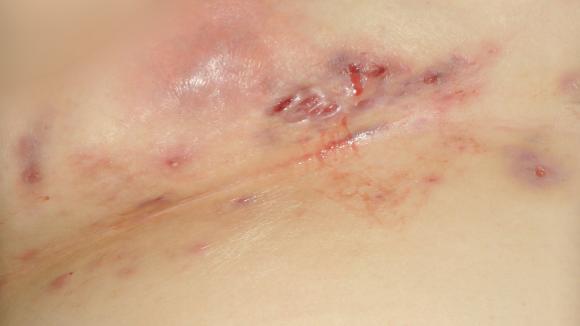
JAMA Dermatology reports that after the onset and diagnosis of hidradenitis suppurativa (HS), such patients have a higher risk of certain forms inflammatory arthritis.

Search for Terms or Answers
JAMA Dermatology reports that after the onset and diagnosis of hidradenitis suppurativa (HS), such patients have a higher risk of certain forms inflammatory arthritis.
The SEAM-PsA study examined the efficacy of methotrexate monotherapy, etanercept monotherapy or the combination of MTX and ETN in psoriatic arthritis patients, and found that ETN monotherapy was equivalent to combination therapy - and that both were superior to MTX alone in clinical (ACR and MDA) and radiographic responses.

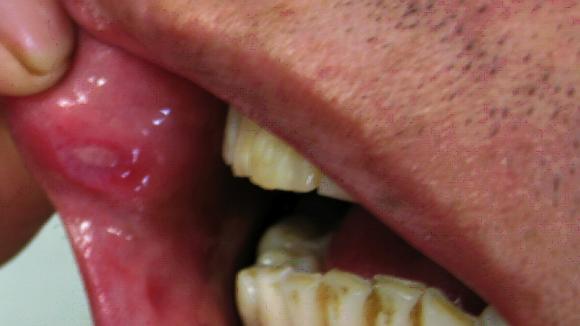
A multinational trial finds a statistically significant number of patients with Behçet's syndrome showed a greater reduction in the number of oral ulcers with apremilast compared with placebo.
Dr. Jack Cush reviews the news and journal articles from the past week on RheumNow.com.

Novartis has announced the results of the EXCEED trial that pitted its IL-17 inhibitor, Cosentyx (secukinumab - SEC) against Humira (adalimumab - ADA) in patients with active psoriatic arthritis. The trial demonstrated that SEC was not non-inferior to ADA, but failed to meet its primary endpoint of superiority over ADA as far as drug efficacy.
Dr. Jack Cush reviews the news and journal articles from the past week on RheumNow.com.
Dr. Jack Cush reviews the News and Journal Reports from this week on RheumNow.com.
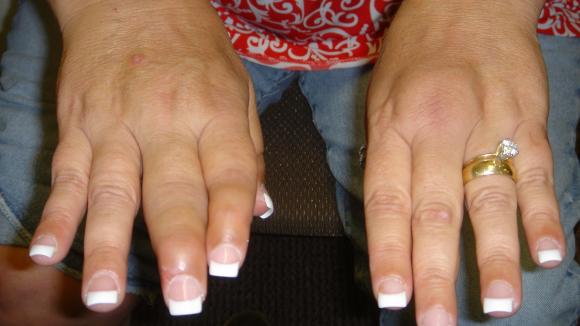
The Annals of Rheumatic Disease reports a psoriatic arthritis study where in ixekizumab was non-inferior to adalimumab for achievement of ACR50 responses but was superior to adalimumab for achievement of PASI100 by week 24.
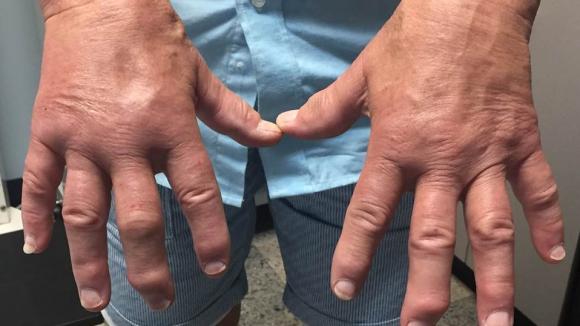
Braaten and colleagues from Johns Hopkins School of Medicine have reported their experience with chronic inflammatory arthritis induced by immune checkpoint inhibitor therapies, showing that in some, inflammatory arthritis persists after the immunotherapy has been discontinued.

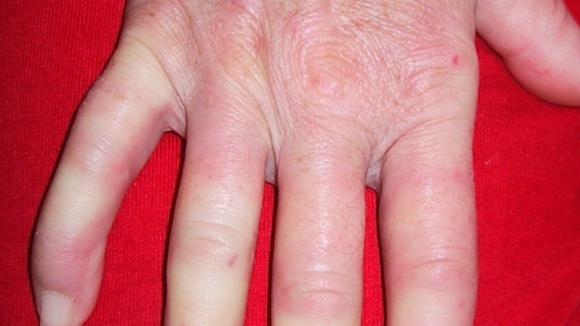
Riociguat is an oral, selective soluble guanylate cyclase stimulator that has been studied in patients with digital ulcers (DU) due to systemic sclerosis (SSc) but study results show that short term (16 weeks) riociquat therapy does not sufficiently reduce the DU burden in SSc patients.
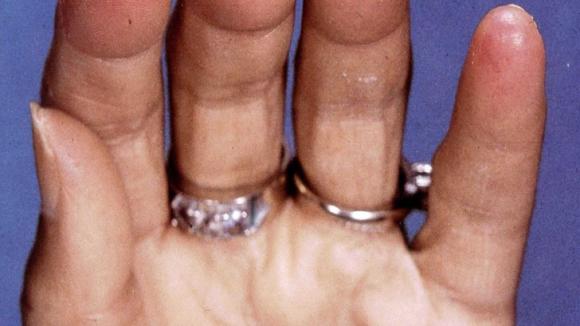
Lancet reports a head-to-head trial of antibodies against interleukin (IL)-23 and IL-17A in patients with moderate-to-severe psoriasis favored guselkumab with superior PASI 90 responses at week 48 (compared to secukinumab).

Dr. Jack Cush reports on the news and journal reports from the past week on RheumNow.com, including: how your genetics may shape your microbiome; GERD as a risk factor for TMJ?; how can MDA-5+ dermatomyositis be any worse; new drug happenings; StillsNow.com; and more.
A head-to-head trial has shown that risankizumab was significantly superior to adalimumab in providing skin clearance (PASI90) in patients with moderate-to-severe plaque psoriasis, with no difference in safety signals between the two agents.
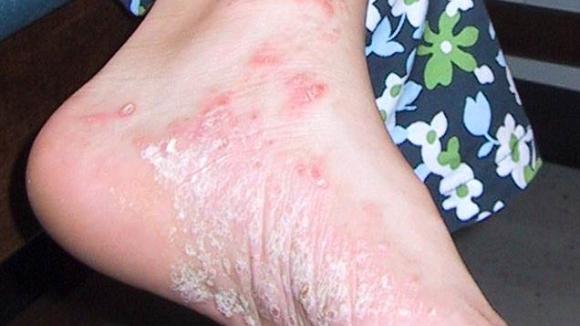
Dr. Jack Cush reports the news and important journal articles from the past week on RheumNow.com.
Dr. Jack Cush reviews the journal articles and news reports from the past week on RheumNow.com:
MMP-7 and Myositis-ILD; Post-surgical gout attacks; CV events and testosterone; and a Boxed warning for tofacitinib.
Psoriasis confers a significant risk of comorbidity, but is psoriasis associated with increased coronary inflammation and is this risk attenuated by biologic therapy?
JAMA Cardiology has published a cohort study of 134 consecutive patients with moderate to severe psoriasis, showing that biologic therapy was associated with a significant decrease in coronary inflammation as assessed by perivascular fat attenuation index, a marker of coronary inflammation associated with cardiovascular outcomes. Patients not receiving biologic therapy had no change in perivascular fat attenuation index at 1 year.

Analysis of RA patients in the German biologics register, RABBIT, shows an increased risk of psoriasis with TNF inhibitor (TNFi) compared to csDMARDs and other non-TNFi biologics.
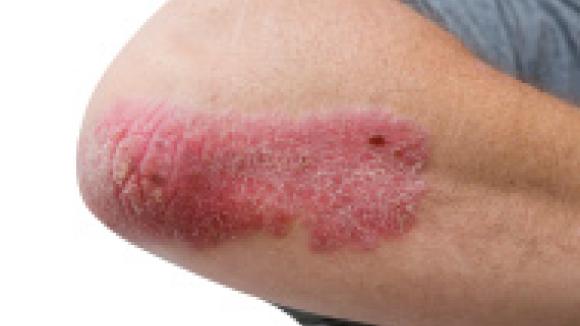
The incidence rate of joint surgery among patients with psoriatic arthritis (PsA) has remained persistently high, double that of the general population, according to a new Danish cohort study.
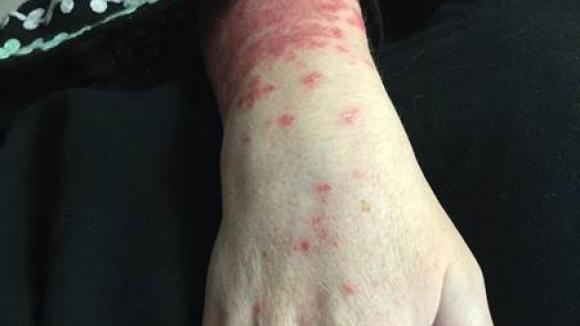
A 12‐month, Phase 2 trial has shown that subcutaneous abatacept was well tolerated in patients with diffuse cutaneous systemic sclerosis (dcSSc), but failed to significantly change the skin outcomes as measured by the change in modified Rodnan skin score (mRSS)
By downloading this material, I acknowledge that it may be used only for personal use and personal education and that I will accredit RheumNow.com as the source and owner of this material. Commercial use or mass reproduction of this material without permission from RheumNow (info@rheumnow.com) is prohibited.


