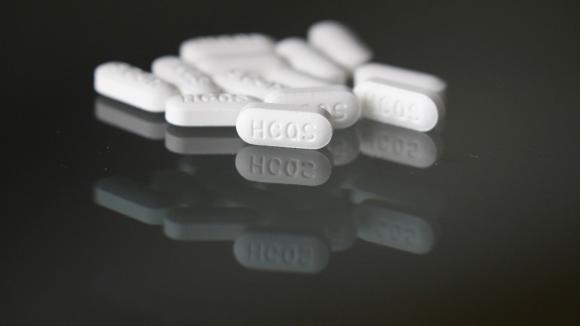
Since the onset of the COVID-19 pandemic numerous anti-rheumatic therapies have been proposed as being potentially beneficial. The mechanistic effects of these agents, either presumed antiviral, anti-inflammatory and anti-thrombotic effects, may benefit mitigate the damage seen with COVID-19 infection.
This review will examine the potential benefits and existing evidence for treating suspected or proven COVID-19 infection with antimalarials, inhibitors of interleukin-6 (IL-6) or interleukin-1 (IL-1) Janus kinase (JAK) inhibitors, TNF inhibitors or colchicine. There are many other antirheumatic and immunosuppressive therapies that are in clinical trials that will not be reviewed here including IVIG, rituximab, calcineurin inhibitors (sirolimus, etc.), apremilast, emapalumab (anti-IFN gamma), etc.
All News
The risk COVID-19 infection and mortality in the U.S. has been closely correlated with increasing age. However, recent data suggests that young adults (aged 18–25 years) have shown an increasing risk of COVID-19 infection since the pandemic began in March 2020.

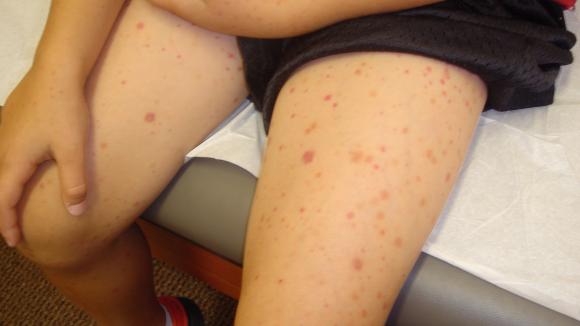
Two recent reports further characterize the newly described, Kawasaki-like, syndrome affecting children with COVID-19 infections.
The NEJM describes the childhood syndrome as having Kawasaki’s disease, fever, toxic shock syndrome, acute abdominal conditions, and encephalopathy; hence the label Childhood Multisystem Inflammatory Syndrome. The disorder emerged in late April 2020, first in the U.K., and then similar cases were reported from many other countries. The CDC named this multisystem inflammatory syndrome in children (MIS-C).

Dr Jack Cush reviews the news and journal articles from the past week on RheumNow.com
Multisystem inflammatory syndrome in children (MIS-C) associated with COVID-19 infection has both similarities and differences with Kawasaki disease, and requires distinct clinical management, according to draft guidance from the American College of Rheumatology (ACR).

Dr. Jack Cush reviews the news and journal reports from the past week on RheumNow.com.
Yesterday the FDA approved secukinumab (Cosentyx) for the treatment of patients with active non-radiographic axial spondyloarthritis (nr-axSpA). There are now three agents that are FDA approved for nr-axSpA: certolizumab, ixekizumab and now, secukinumab.

Yesterday, the FDA approved canakinumab (Ilaris) as treatment for adult-onset Still's disease (AOSD), the first ever FDA approved drug for AOSD.
Canakinumab, an interleukin-1 inhibitor, was FDA approved in 2013 for use children (aged 2 years and older) with systemic juvenile idiopathic arthritis and has since been approved for use in other periodic fever disorders (e.g., FMF, CAPS, TRAPS, Hyper IgD syndrome).
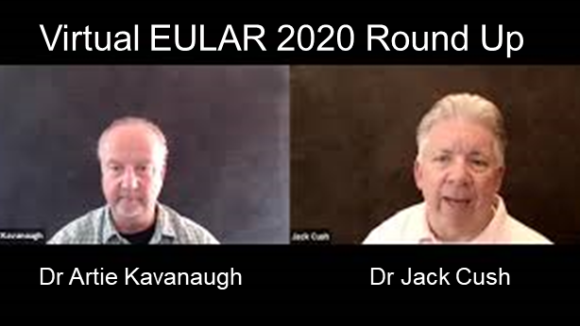
In this week's podcast, Drs. Artie Kavanaugh and Jack Cush present highlights from the virtual EULAR2020 meeting held June 3-6, 2020. Featured reports include the SELECT-CHOICE study, the EXCEED trial, Avacopan in AAV, BeST mortality outcomes, BLISS-LN study, biosimilars and tofa in systemic sclerosis.
These were my top abstracts from Thursday, 4th of June at EULAR 2020:

Dr. Jack Cush reviews the news and journal articles from the past week on RheumNow.com.
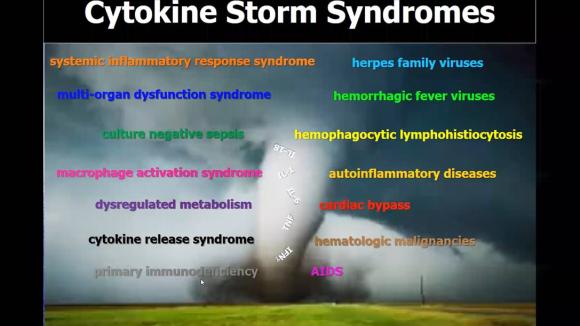
This week's Tuesday Nite Rheumatology featured Dr Randy Cron from the University of Alabama - Birmingham as he spoke and took questions on the immunology, immunopathogenesis and treatment of Cytokine Storm Syndrome, especially as they relate to COVID-19 and rheumatic disease patients. The program was moderated by Dr. Jack Cush.
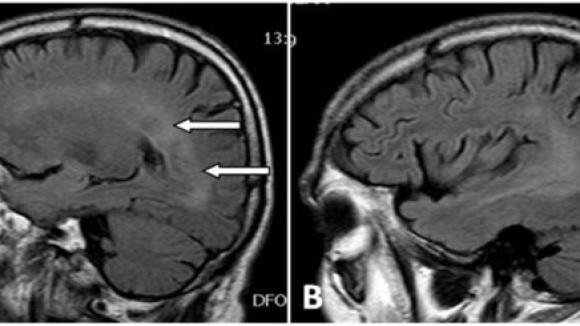
Patients with autoimmune diseases who were treated with tumor necrosis factor (TNF) inhibitors had an increased risk of developing inflammatory central nervous system (CNS) adverse events, a nested case-control study found.
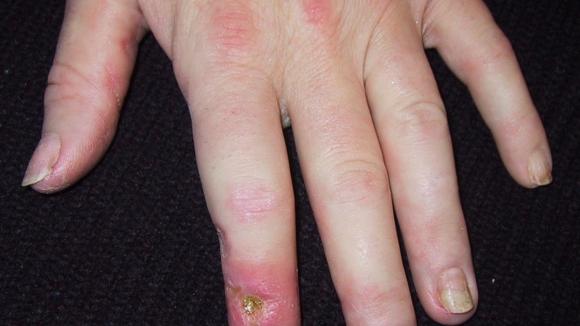
Nagaraja, Khanna and colleagues have published an overview of current and future therapies in patients with systemic sclerosis (SSc) and have reviewed the potential outcome measures for this difficult autoimmune disorder.
Anakinra was studied in 29 COVID(+) patients with respiratory distress and high inflammatory markers (CRP or ferritin) and compared to non-anakinra patients, those on anakinra had better survival (90% vs. 56% ;p=0·009) and greater improvements in CRP and pulmonary function (72% vs 50%) compared to controls at day 21.
Dr. Jack Cush reviews the news and journal articles from the past week on RheumNow.com.

The latest hazardous spinoff to the coronavirus infection is an inflammatory, Kawasaki-like syndrome unique to children or adolescents with COVID-19. Sporadic reports from around the globe of this severe pediatric COVID syndrome have littered the news with brief mentions and little detail.
As data continue to emerge about a multi-system inflammatory disorder in children apparently connected to COVID-19, evidence is growing that this is not your typical Kawasaki disease.
Dr. Jack Cush reviews the news and journal reports from the past week on RheumNow.com.
Hydroxychloroquine has been a dominant news item since the start of the COVID-19 crisis, with a great deal of misconceptions by those who don't know or use or take the drug. HCQ leaped to the headlines on March 19th when President Trump endorsed the drug as being “approved” by FDA. Of course at that time, it was still only approved for SLE, RA and malaria and it wasn't until 2 weeks later (March 31st) that the FDA issued an "emergency use authorization" allowing the use of either chloroquine or HCQ for treatment of severe, hospitalized patients with COVID-19.
To provide clarity and evidence - here are some of the facts you need to know.