While we know there are certain clinical features serving as predictors that patients with SSc may develop ILD, including diffuse skin disease and serologies such as anti-Scl-70 and Th/To antibodies, it is imperative that clinicians consider that any patient, particularly early in their disease course (5 years of disease since the first non-Raynaud phenomenon symptom) could develop ILD.
All News
Dr. Jack Cush reviews the news and journal reports from this week on RheumNow.com. Today we cover GLP-1 agonists, acupuncture, what JAKs won’t do & an FDA Pink Slip.
What do you need to know about scleroderma-related lung fibrosis as a practicing rheumatologist? Here are takeaways from these guidelines and my practice.
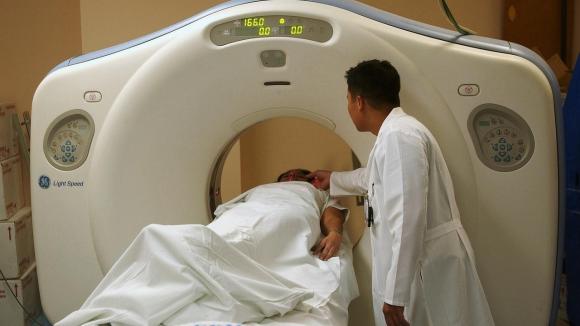
Should we be screening all our patients with systemic autoimmune rheumatic disease (SARD) for interstitial lung disease? I have been asking myself that question after the recent publication of American Thoracic Society Interstitial Lung Disease screening guidelines. The ATS guidelines, which were published in May, recommend universal CT chest screening for all asymptomatic patients with RA, systemic sclerosis, idiopathic inflammatory myopathies, mixed connective tissue disease, and Sjögren’s disease.
Interstitial lung disease (ILD) remains one of the largest unmet clinical needs across many systemic autoimmune rheumatic diseases (SARD). Clinicians are already keenly aware of the complexity of patients with SARD-ILD. The “elephant in the room” for all these issues: serious infection.
When idiopathic inflammatory myopathies (IIM) affect the lungs, the consequences can be serious. ILD is not only common in IIM, but also one of the leading causes of death, contributing to up to 80% of mortality in this patient group. For rheumatologists, two subsets stand out: anti-synthetase syndrome (ASyS) and anti-MDA-5 positive dermatomyositis (MDA5-DM). These patients present with distinct clinical clues, very different disease trajectories, and unique treatment challenges. Recognizing ILD early and acting decisively can make the difference between stabilizing a chronic course and facing a rapidly progressive, often fatal decline.