Dr. Madelaine Feldman has written an important commentary on the 340B Drug Pricing Program, a safety-net program that would allow vulnerable populations to receive expensive new therapies. But she points out that "this well-intentioned program has strayed from its original purpose", allowing certain hospitals and for-profit pharmacies to exploit the program.

All News
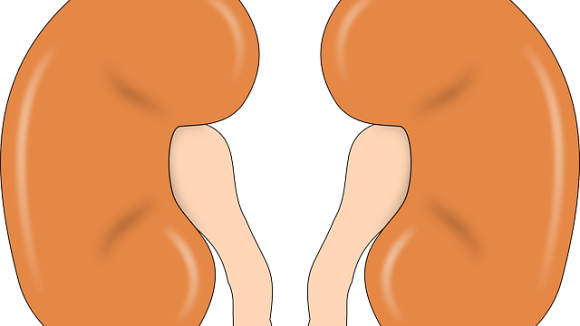
Lupus nephritis is one of the most silent and severe manifestations of SLE. When not captured early, patients are at high risk of progressing to end-stage renal disease, which would require dialysis or transplantation. Renal biopsy remains the gold standard for diagnosis and disease classification. However, the procedure is invasive and very painful. Non-invasive measures are critical for early detection and continuous monitoring.
Treat-to-Target LLDAS in Lupus
Patients with highly active systemic lupus erythematosus (SLE) appeared to sustain much less organ damage and fewer disease flares when drug therapy yielded substantial relief, researchers found.
A retrospective cohort study presented at #ACR24 explores the benefits of GLP-1Ras in reducing the risk of end-stage renal disease (ESRD) for patients with lupus nephritis. Drawing on data from the TrinetX global research database, the study examines how GLP-1Ras may reduce ESRD progression in a population where 10-20% progress to ESRD within five years, even with immunosuppressive therapies.
Women who experience infertility but do not use fertility treatments have a higher risk of developing a group of conditions called systemic autoimmune rheumatic diseases (SARD) in the nine years after a naturally conceived birth compared to women without fertility problems.
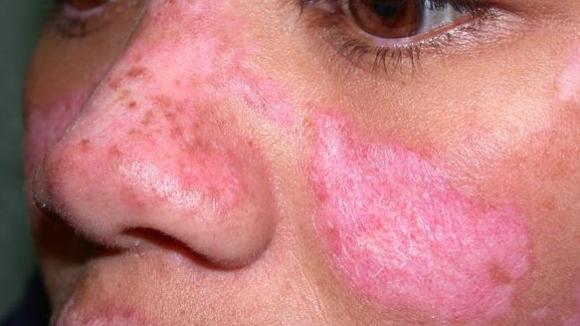
JAMA Dermatology features a discussion by Drs. McMichael and Frey on measuring lupus skin disease in clinical trials and practice using the validated Cutaneous Lupus Erythematosus Disease Area and Severity Index (CLASI).
A 52-week has demonstrated the safety and efficacy of ianalumab, a dual B cell depleter) in patients with active Sjögren's disease (SjD).
Join Drs. Jack Cush and Artie Kavanaugh as they review 15+ presentations and abstracts from the 2024 ACR Convergence meeting in Washington, DC.
When the ACR Convergence 2024 abstract site went live, the first query I typed into the search bar was, “CAR-T.” I consider myself a CAR-T skeptic and would be surprised if the magical results from this NEJM case series replicate at scale, but it seems likely that CAR-T will revolutionize the care for (some) patients with rheumatic diseases.
When should you consider off-label use of JAKi?
The global population is aging and none of our rheumatic diseases are immune to the impact of the complexities and so-called “geriatric syndromes”, including sarcopenia, frailty, falls and cognitive impairment, associated with the aging process. Whilst we are increasingly aware of these syndromes, it is sometimes overwhelming to consider just how we may incorporate the unique needs of our older patients into our already busy clinical practice – or perhaps until now we were unsure of their significance and relevance. Why should we care about aging?