There are numerous associations between hyperuricemia and cardiovascular disease (CVD). An analysis of the Swedish SCAPIS Pilot study shows that higher levels of serum urate (SU) are associated with an increase in coronary artery calcification score in men but not in women. SU is not associated with common carotid intima-media thickness and carotid plaque scores in either men or women.
All News
Science Translational Medicine has a report on how the use of Janus kinase (JAK) inhibitors may boost osteoblasts to battle bone erosions in conditions like rheumatoid arthritis (RA).
Dr Jack Cush reviews the news and journal articles from the past week on RheumNow.com
The NEJM weighs in on the problem of post-menopausal osteoporosis (OP) and tackles the use of hormonal therapy.
The decline in estrogen after menopause may increase risks for osteoporosis, cardiovascular disease, and cognitive decline. The use of hormone replacement therapy (HRT) to obviate these issues may be primarily driven by hot flashes in postmenopausal women.1
Who may benefit from hormone therapy among postmenopausal women?
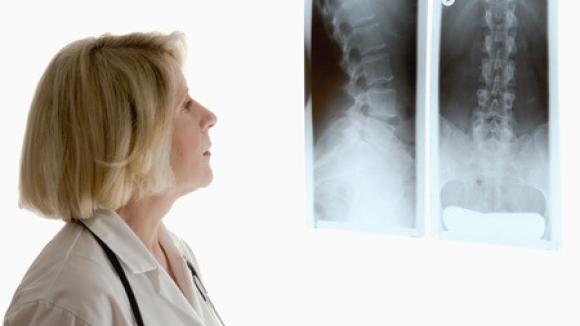
Do postmenopausal women, under age 65 years, need a baseline BMD testing? A JAMA Insights review suggests that the absolute risk of fracture is low in this group and that USPSTF guidelines should be considered - that we should be screening women younger than 65 years who are at increased risk of osteoporosis and we should be using a formal risk assessment tool to identify candidates for bone density testing.
Dr. Jack Cush reviews the news and journal reports from this past week on RheumNow.com. The podcast covers: best therapies for dactylitis and enthesitis; we have a new knockout for knee pain in OA; and are you on the naughty or nice list when it comes to the new ACR-AF guidelines for arthritis? This and more. Tune in.
A group of Western Australian clinicians have set out to assess current practices and proved guidance recommendations for high-quality care for the most common musculoskeletal (MSK) pain scenarios encountered by clinicians in emergency and primary care.
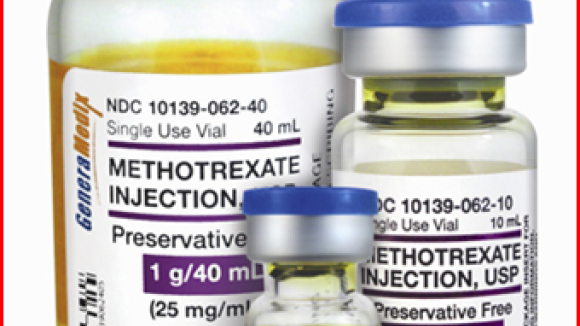
Rheumatology has a comprehensive overview of methotrexate (MTX) and the risk of lung injury, MTX-related pneumonitis and interstitial lung disease (RA-ILD) with rheumatoid arthritis (RA). Past reports suggest the frequence of MTX-pneumonitis to be between 0.3 and 11.6%; recent studies suggest it may be much lower.
IgG4-related disease (IgG4-RD) is a relatively new disorder since 2003, and may present as a diagnostic challenge as it can cause fibroinflammatory pathology in nearly any organ.
Dr. Jack Cush reviews the news and journal reports from the past week on RheumNow.com.
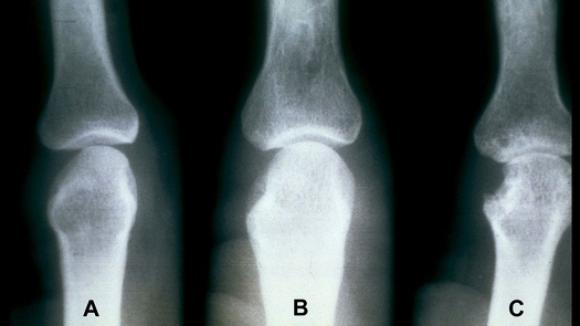
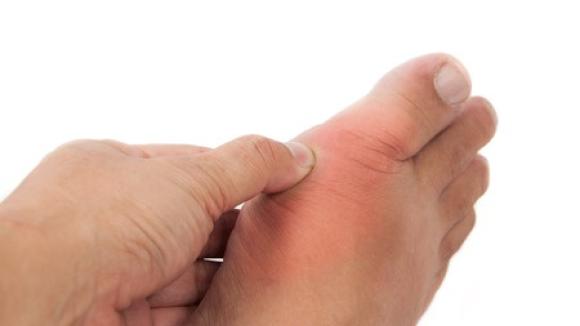
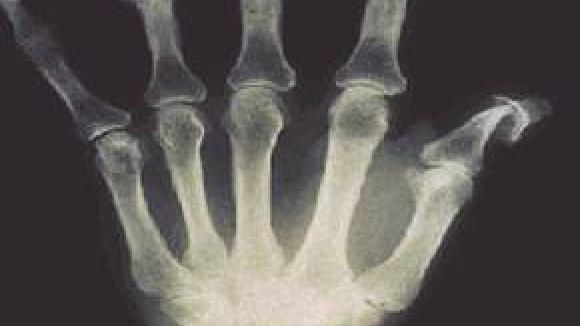
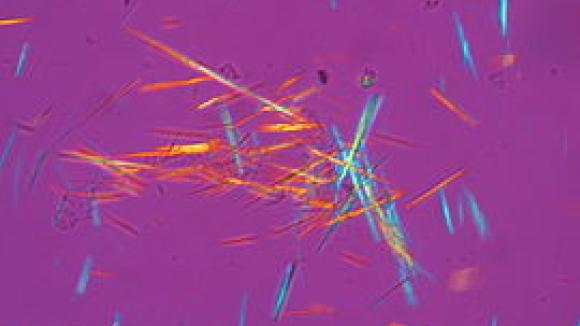
Gout is a systemic inflammatory disease with high potential for joint damage due to erosive changes and MSU deposits resulting in disability and chronic pain. Prompt diagnosis and effective treatment are key to better long term outcomes and decreased disability.
Polymyalgia rheumatica (PMR) is a common condition seen by both primary care and in the rheumatology office.
An analysis from the Women’s Health Initiative study shows that postmenopausal women who participate in vigorous physical activity have a statistically lower risk of total and site-specific fractures
Rheumatology has a comprehensive overview of methotrexate (MTX) and the risk of lung injury, MTX-related pneumonitis and interstitial lung disease (RA-ILD) with rheumatoid arthritis (RA). Past reports suggest the frequence of MTX-pneumonitis to be between 0.3 and 11.6%; recent studies suggest it may be much lower.
Dr. Jack Cush reviews the news and journal articles from the past week on RheumNow.com.
Dr. Jack Cush delivers select commentary on select news and journal articles from the past week on RheumNow.com.
Intra-articular sprifermin given to patients with symptomatic and radiographic knee osteoarthritis has been shown to significantly improve total femorotibial joint cartilage thickness after 2 years, but without significant clinical benefits. Which begs the question, why is there a disconnect between radiographic disease modification (cartilage thickness) and symptomatic improvement?
Annals of Internal Medicine reports that age-adjusted mortality rates for antineutrophil cytoplasmic autoantibody–associated vasculitides (AAV) have improved over time - with a decline of nearly 2 percent per year in the United States from 1999 to 2017. Nevertheless, long-term outcomes continue to lag behind mortality rates of the general population.
Even though oral bisphosphonates are widely used, there is an inordinate concern over the risk of osteonecrosis of the jaw (ONJ). A new UK study suggests that the risk of ONJ is elevated six fold by the use of biphosphonates.
The FUTURE 5 trial studied the effect of secukinumab (SEC) on radiographic progression through 52 weeks in patients with active psoriatic arthritis (PsA) and found that SEC was clinically and radiographically superior to placebo (PBO).
Patients received s.c. secukinumab 300 mg load (300 mg), 150 mg load (150 mg), 150 mg no load regimens or placebo at baseline, at weeks 1, 2 and 3 and every 4 weeks starting at week 4. The majority (87%) of patients enrolled at baseline remained in the study for 52 weeks.