Lee and a group of Korean investigators have analyzed the comparative safety of allopurinol and febuxostat in a small cohort of gout patients with fatty liver disease (FLD) and found febuxostat had a lower risk for hepatotoxicity (defined as AST or ALT at least 3× the upper limit of normal)
All News
More intense treatment of gout with a treat-to-target strategy can reduce patients' risk for death, a Spanish researcher told a press conference Monday at the American College of Rheumatology annual meeting here.
This past week in Chicago gave us a plethora of new and eye-opening research, people, KOLs, exhibits, sessions, guidelines, posters and a never-ending supply of coffee served in small paper cups. ACR 2018 highlights for me included:
Pegloticase has become an excellent option for management of patients with chronic refractory gout, although treatment may be limited by the development of anti-drug antibodies that lead to loss of serum urate (sUA) lowering effect.
During a fascinating gout session on October 21, Hyon Choi presented an important paper (abstract 874) which used data from the Health Professionals Follow-up Study to try to understand the rapid increase in the incidence of gout in recent decades.
UK researchers have shown that nurse-led gout management, using a treat-to-target urate-lowering strategy, is efficacious and cost-effective compared with usual physicain care. The results are published in the recent Lancet edition.
Researchers from New Zealand find that in contrast with genetic contributions, diet explains very little variation in serum urate levels in the general population.
Neogi and colleagues have shown that standard doses of allopurinol (300 mg/day) were associated with a 13% lower risk of renal function deterioration in chronic gout patients - thus, allopurinol does not appear to impair renal function over time.
Dr. Jack Cush reviews the news from the past week on RheumNow.com, including news on inappropriate opioids, pre-clinical RA treatment, DMARDs in Gout, the decline of arthroscopy, and a pain in the mouth.
The Annals of Internal Medicine reports that interleukin-1 (IL-1) inhibitor treatment is associated with a reduced risk of gout attacks - such are the findings of an anlysis of the CANTOS study previously reported at the Annual ACR 2017 meeting in Washington, DC.
Dr. Jack Cush's weekly review of the news on RheumNow.com.
Dr. Jack Cush reviews news and journal articles from the past week on RheumNow.com.
The American College of Rheumatology (ACR) today released the Rheumatic Disease Report Card: Raising the Grade on Rheumatology Care in America, a first-of-its-kind report that evaluates just how difficult it can be to live well with a rheumatic disease in the United States.
Uric acid (sUA) control may be a challenge in patients with chronic kidney disease (CKD). A cohort study shows that conventional dosing recommendations for allopurinol are unlikely to reach target serum sUA goals.
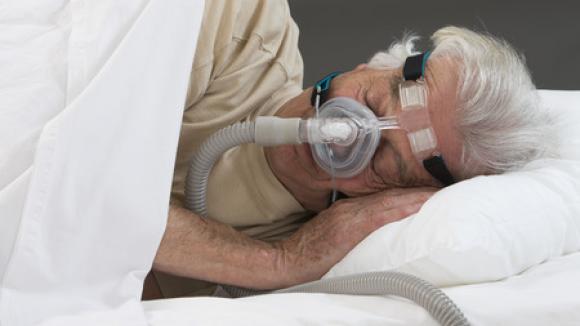
Patients with obstructive sleep apnea were at increased risk for incident gout, particularly in the first years after the sleep apnea diagnosis, U.K. researchers reported.
A retrospective study of the large UK Clinical Practice Research Datalink assessed patient compliance in gout and found that adherence to allopurinol is poor, especially among females and younger patients and those with fewer comorbidities.
Dalbeth and colleagues studied 4 large prospective cohorts and found that rising levels of serum uric acid (SUA) leads to a non-linear increased risk of incident gout, but only half of those with SUA ≥10mg/dL developed clinically evident gout.
Dr. Jack Cush reviews the news and latest journal articles from the past week on RheumNow.com. Info on Surgery and Hip Fractures, Gout drugs abandoned, Allopurinol escalation, hydroxychloroquine drug levels, how to treat scleroderma in India and exactly who gets back pain.
The current edition of JAMA Internal Medicine describes an Asian gout patient who presents with an allopurinol hypersensitivity reaction that could have been diagnosed by testing for HLA-B*5801.
Saag and colleagues report the results of a 3 month phase III trial demonstrating equal efficacy between febuxostat extended release (XR) and immediate release (IR) formulations in patients with gout. and normal or impaired renal function.