Non-steroidal anti-inflammatory drugs (NSAIDs) are widely used for acute or chronic arthritis, headache, visceral pain, postoperative pain, etc but come with a small but significant risk of serious adverse effects, including hypertension, cardiovascular disease, kidney injury and GI complica

All News
Researchers from the Brigham and Women's Hospital have reported that adults with type 2 diabetes who were treated with SGLT2 inhibitors had a lower risk of gout compared to GLP1 agonist, suggesting that sodium–glucose cotransporter-2 inhibitors may reduce the risk for gout with type 2 diabetes mellitus (T2DM).
Lancet Rheumatology has reported the results of a multicenter follow-up study of systemic lupus erythematosus (SLE) patients showing that organ damange is linked to glucocorticoid use, independent of clinical or serological disease activity.
We have options that are endless – we have 28 biologics in rheumatology; 19 approved for RA in the last 20 years, but 15 of these are me-too copies or biosimilars. We currently have 2 JAK inhibitors and may have 3 or 4 by year end. But what we really need is the right drug, at the right time, in the right patient – but how will we know.
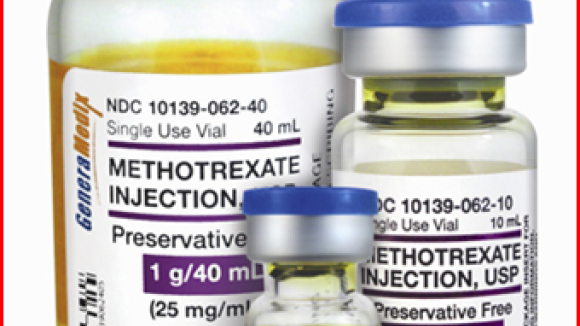
Rheumatology has a comprehensive overview of methotrexate (MTX) and the risk of lung injury, MTX-related pneumonitis and interstitial lung disease (RA-ILD) with rheumatoid arthritis (RA). Past reports suggest the frequence of MTX-pneumonitis to be between 0.3 and 11.6%; recent studies suggest it may be much lower.
Dr. Jack Cush reviews the news from the past week on RheumNow.com, just in time for Christmas!
French researchers have shown that patients with systemic lupus erythematosus (SLE) and inactive disease are less likely to flare while taking a 5 mg prednisone maintenance dose.
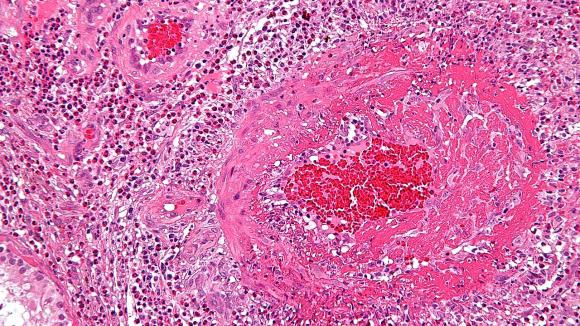
The French Vasculitis Study Group has published that patients with systemic necrotizing vasculitis do not have an increased risk of malignancy; in fact they have a risk that is similar to the general population.
Analysis of New Zealand hospitalized patients revals nine predictors of inpatient flare for people with comorbid gout.
This retrospective cohort study of hospitalised patients with comorbid gout included 625 hospitalised patients, 87 experienced inpatient gout flare.
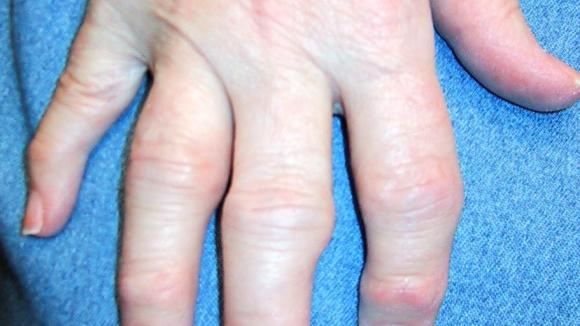
Lancet reports that prednisolone 10 mg daily for 6 weeks can effectively control the pain of hand osteoarthritis (OA), according to results from the Hand Osteoarthritis Prednisolone Efficacy (HOPE) study.
This was a double-blind, randomized, placebo-controlled trial aimed to assess the short-term effects of prednisolone in painful hand OA and synovial inflammation. Patients were required to have hand OA and signs of inflammation in their distal and proximal interphalangeal (DIP/PIP) joints and > 4 DIP/PIP osteoarthritic nodes and at least one DIP/PIP joint with soft swelling/erythema or evidence of synovitis on power Doppler ultrasound. The primary endpoint was finger pain.
A report from Lancet Rheumatology shows that glucocorticoid use contributes to damage accrual in systemic lupus erythematosus (SLE) independent of disease activity.
Dr. Jack Cush presents his favorite abstracts and presentations from Rheumatology Round Up and ACR 2019.
Rheumatology has a comprehensive overview of methotrexate (MTX) and the risk of lung injury, MTX-related pneumonitis and interstitial lung disease (RA-ILD) with rheumatoid arthritis (RA). Past reports suggest the frequence of MTX-pneumonitis to be between 0.3 and 11.6%; recent studies suggest it may be much lower.
Despite the well known, well publicized treat-to-target (T2T) goal of a serum uric acid (SUA) level 6 mg/dl, this goal is seldom achieved ( 40%) in clinical practice and patient adherence has been unacceptably low. A recent study shows that nurse-led care led to better outcomes in gout including patient acceptability, long-term adherence, and less flares.
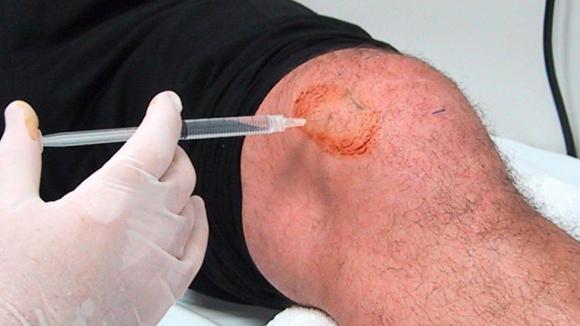
Intra-articular injections of corticosteroids for relief of the pain of hip or knee osteoarthritis (OA) may have adverse long-term consequences, researchers suggested.
Highlights from Tuesday and Wednesday (days 3 and 4) from the ACR annual meeting include: the important and impactful abstracts covered by the Rheumatology Roundup session; upadacitinib clinical trials; and the baricitinib CV and VTE safety analysis.
Annals of Internal Medicine reports that age-adjusted mortality rates for antineutrophil cytoplasmic autoantibody–associated vasculitides (AAV) have improved over time - with a decline of nearly 2 percent per year in the United States from 1999 to 2017. Nevertheless, long-term outcomes continue to lag behind mortality rates of the general population.
Dr. Jack Cush reviews the News and Journal Reports from this week on RheumNow.com.
The U.S. Food and Drug Administration has approved Rituxan (rituximab) for the treatment of granulomatosis with polyangiitis (GPA) and microscopic polyangiitis (MPA) in children 2 years of age and older in combination with glucocorticoids.
This is the first approved treatment for children with vasculitis.
Metanalysis shows that temporal artery biopsy (TAB) for the diagnosis of giant cell arteritis (GCA) has a sensitivity of 77%, similar to results seen with temporal artery imaging. These data suggest clinicians may be willing to accept a GCA diagnosis without proof by TAB.