Last Friday, the US Food and Drug Administration approved Ofev (nintedanib) to slow the rate of decline in pulmonary function in adults with interstitial lung disease associated with systemic sclerosis or scleroderma, called SSc-ILD.
ILD as a complication of SSc may lead to progressive loss of lung function and may be associated with a significant mortality risk. Prior to the approval of Olev, there were no FDA approved drugs for SSc-ILD.

All News
The ENTRACTE trial examined the risk for major adverse cardiovascular events (MACE) in RA patients and found no increased risk of MACE in patients treated with tocilizumab (TCZ) versus etanercept (ETN).
The usual risk factors for myocarditis may not apply to who gets it while on immune checkpoint inhibiting cancer drugs, an FDA adverse event database suggested.
Dr. Jack Cush reports the news and important journal articles from the past week on RheumNow.com.
We have options that are endless – we have 28 biologics in rheumatology; 19 approved for RA in the last 20 years, but 15 of these are me-too copies or biosimilars. We currently have 2 JAK inhibitors and may have 3 or 4 by year end. But what we really need is the right drug, at the right time, in the right patient – but how will we know.
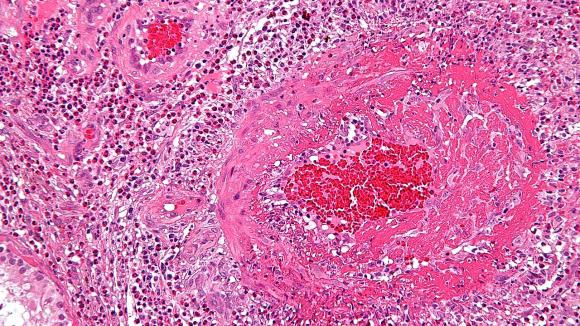
Th European League Against Rheumatism (EULAR) recommendations for the management of large vessel vasculitis (LVV) was originally published in 2009. Since then there have been new randomised clinical trials and cohort analyses leading to an update the original recommendations.
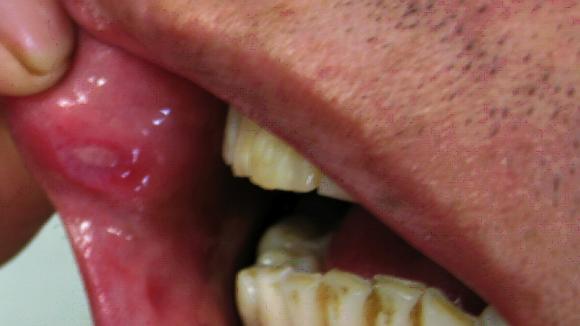
The US Food and Drug Administration (FDA) has approved apremilast (Otezla) for the treatment of oral ulcers associated with Behçet’s Disease, a rare chronic multisystem inflammatory disease that affects about 5 in 100,000 persons in the USA.
Editor's note: July 1 - 5, RheumNow is running the best of the EULAR 2019 meeting. Dr. Jack Cush reports from Madrid on several novel presentations from EULAR 2019, including low-dose steroids in hand OA, ABA vs. ADA in double positive RA patients, psoriasis predictors of PsA, tildrakizumab and more.
A large study of UK family practice patients shows that polymyalgia rheumatica (PMR) or giant cell arteritis (GCA) patients treated with glucocorticoids are at an increased risk of bacterial, viral, parasitic and fungal infection, even at daily doses of less than 5 mg prednisolone.
Dr. Jack Cush reports from Madrid on several novel presentations from EULAR 2019.
Hemophagocytic lymphohistiocytosis (HLH) is a severe hyperinflammatory syndrome induced by activated macrophages and cytotoxic T cells. HLH manifests recurrent fever, cytopenia, liver dysfunction, and a sepsis-like syndrome that may complicated by multiple organ failure.
Dr. Jack Cush presents the news and best of rheumatology and medicine from the past week on RheumNow.com
Dr. Jack Cush reviews the news and journal articles from the past week on RheumNow.com
A pilot treatment study of patients with anti-aminoacyl-tRNA synthetase antibody–positive polymyositis/dermatomyositis-associated interstitial lung disease (anti-ARS-PM/DM-ILD) shows therapy with glucocorticoids and calcineurin inhibitors (CNI) to be highly effective.
A national database reveals that patients with granulomatosis with polyangiitis (GPA) have 22.3% risk of hospital readmissions within 30 days of discharge.
From a total of 9749 hospital admissions with GPA, there were 2173 readmissions within 30 days of discharge.
A small prospective study has shown that ustekinumab is safe and effective in Behçet's disease (BD) with recurrent oral ulcers (OU).
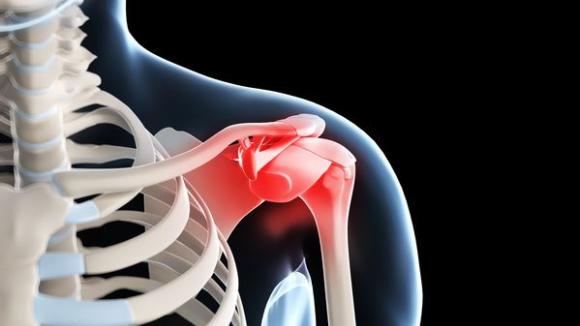
A study of patients undergoing arthroscopic rotator cuff repair shows that corticosteroid injections in the month prior to surgery are associated with a significantly increased risk of surgical site infection.
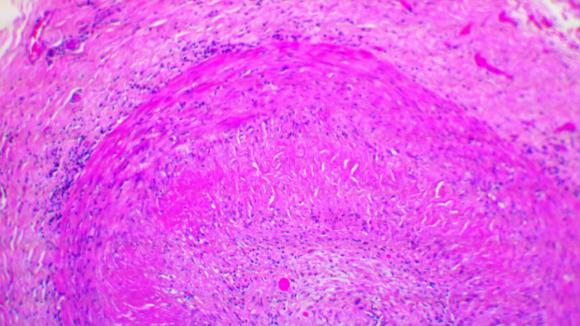
Prior to the introduction of tocilizumab to manage giant cell arteritis (GCA), glucocorticoids (GC) have been the mainstay of therapy, but has been limited by relapses in disease.
Dr. Jack Cush reviews the news and journal reports from the past week on RheumNow.com.
A Lancet study has shown that adding cyclosporin to intravenous immunoglobulin (IVIG) Kawasaki disease patients, who were predicted to be resistant to IVIG, was both safe and effective in averting severe coronary artery outcomes.