
Article
Dr. Jack Cush reviews the news and journal reports from this week on RheumNow.com

Search for Terms or Answers
Dr. Jack Cush reviews the news and journal reports from this week on RheumNow.com

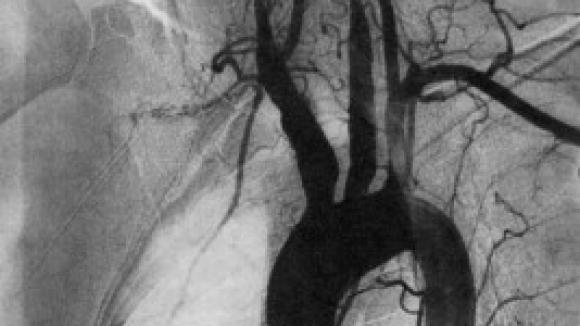
Giant-cell arteritis and Takayasu’s arteritis are both large-vessel vasculitides, but each brings its own diagnostic and management challenges. Many of the difficulties overlap because they are rare, heterogeneous, and lack perfect diagnostic tests or specific biomarkers.
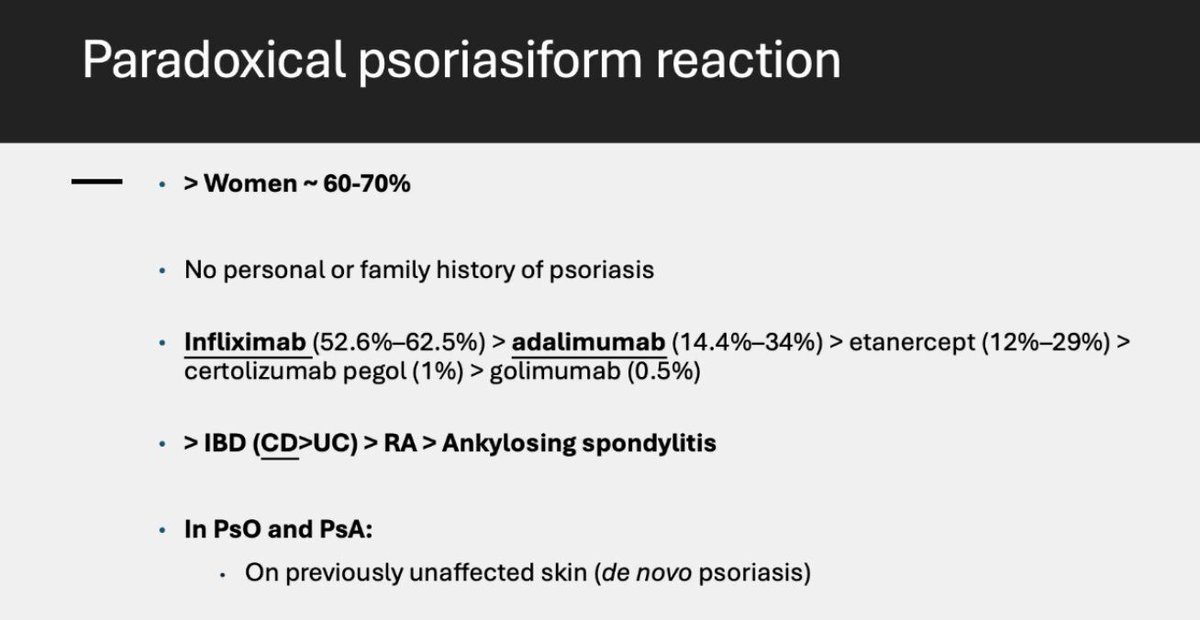
From paradoxical psoriasis to IL-23 vs IL-17 to imaging in PsA, speakers in RheumNow Live's "Decisions in Psoriatic Arthritis" pod delivered valuable, clinically relevant education.
Dr. Jack Cush reviews the hot item takeaways from last week's RheumNow.Live 2026.
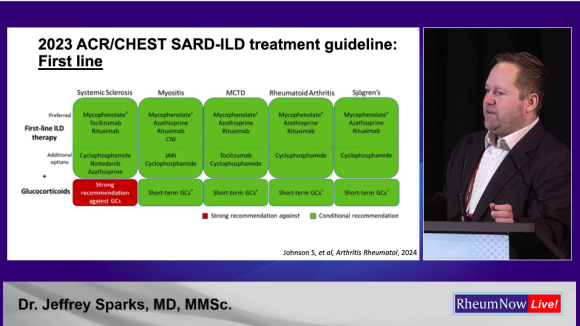
Dr. Jeffrey Sparks gave a state of the art update on Advances in RA-ILD, many of which he and his group have played a big part in, on Saturday at RNL26.
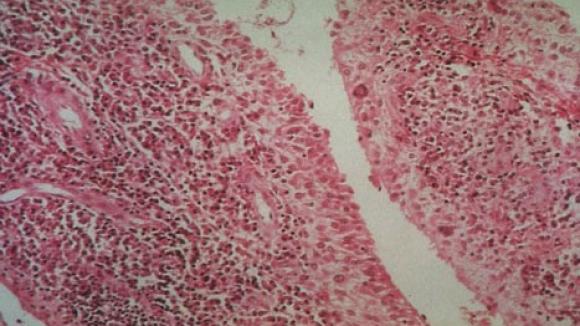
Spatial transcriptomic profiling of rheumatoid arthritis (RA) synovial biopsies (pre- and post-treatment) has revealed new insights into the pathobiology or treatment resistent RA.
Dr. Cush addresses the management of difficult-to-treat rheumatoid arthritis (D2TRA).
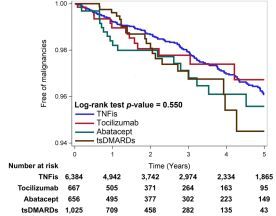
A large, real-world cohort study of rheumatoid arthritis (RA) finds patients treated with biologic and targeted synthetic DMARDs (b/tsDMARDs) do not have an increased risk of cancer.

Advanced practice clinicians (APCs; nurse practitioners and physician assistants) deliver a large share of US dermatologic care, accounting for 37% of clinicians and 27% of dermatology visits by 2020. A current JAMA Dermatology reports APC drug spending trends in dermatology, with a focus on specialty medications (eg, biologics).
Editor's note: This article was originally published April 22, 2025, and is being shared again as part of RheumNow's 'Best of 2025' series as we close out the year. Enjoy!

More effective treatments in patients with rheumatic diseases have resulted in less need for major surgery, yet a substantial number of RMD patients will undergo surgery often in the setting of DMARDs use. A scoping review looked at numerous clinical practice guidelines/recommendations for the perioperative management of DMARDs and found inconsistencies and low quality evidence, with great reliance on conditional (expert opinion) recommendations.




By downloading this material, I acknowledge that it may be used only for personal use and personal education and that I will accredit RheumNow.com as the source and owner of this material. Commercial use or mass reproduction of this material without permission from RheumNow (info@rheumnow.com) is prohibited.


