Amidst a new DEA report demonstrating a record number of opioid overdose deaths (n-72,000 or ~ 200 deaths per day), the FDA has approved a newer and far more potent opioid than those that are currently being abused at alarming rates. The new agent is named Dsuvia.

All News
The monoclonal antibody tanezumab, which blocks nerve growth factor, showed significant benefits in pain and function among patients with osteoarthritis (OA) of the knee or hip, and rates of severe adverse joint events such as rapidly progressive OA that had plagued earlier studies were low, a re
Dr. Jack Cush summarizes the news and reports from RheumNow.Com this past week and previews RheumNow activities at the upcoming ACR 2018 meeting in Chicago.
This week’s NEJM features a case discussion and debate over whether medical marijuana should be used to treat chronic pain. The debate focuses on a 31-year-old woman with long-standing complex regional pain syndrome in her leg and foot.
Emergency physician Chris Hahn, MD, doesn't have any trouble conjuring a simple definition of fibromyalgia. "Just think about the most annoying chief complaints you can imagine. That's the diagnostic criteria."
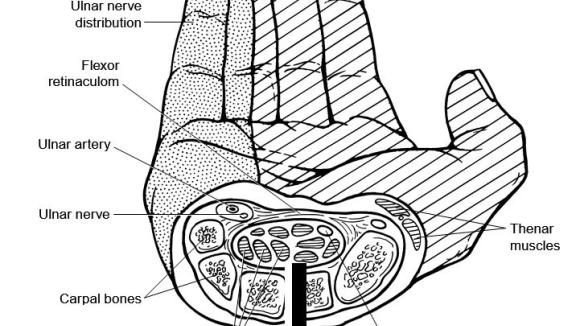
MMWR reports that workers’ compensation claims for carpal tunnel syndrome (CTS) in California during 2007–2014 were 6.3 per 10,000 full-time equivalent workers, with female workers and workers in industries that manufacture apparel, process food, and perform administrative work being at highest r
The high prevalence of symptoms of anxiety and depression among adults with arthritis warrants awareness, screening, and subsequent treatment of these conditions.
Dr. Jack Cush reviews the news from the past week on RheumNow.com.
Dr. Jack Cush reviews the news from the past week on RheumNow.com, including news on inappropriate opioids, pre-clinical RA treatment, DMARDs in Gout, the decline of arthroscopy, and a pain in the mouth.
In response to the growing opioid crisis, the US Food and Drug Administration has approved the final Opioid Analgesic Risk Evaluation and Mitigation Strategy (REMS), designed to reduce the risk of abuse, misuse, addiction, overdose, and deaths due to prescription opioid analgesics.
The Journal of Gerontology reports that the poorest of the elderly are the most likely to receive prescription opioids.
Patients with obstructive sleep apnea were at increased risk for incident gout, particularly in the first years after the sleep apnea diagnosis, U.K. researchers reported.
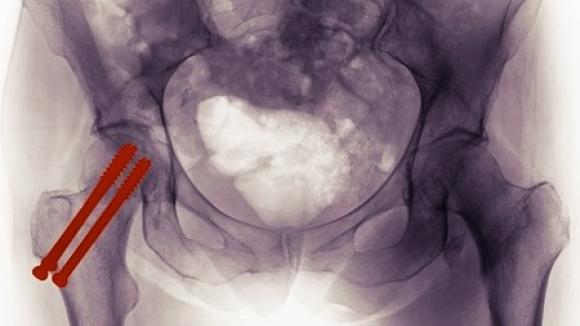
CMAJ reports that seniors are more likely to survive a hip fracture if the surgery is done as soon as they’re admitted to the hospital - suggesting hospitals should expedite operating room access for patients whose surgery has already been delayed for nonmedical reasons.
Cannabis therapy is legal in 30 states in the US, and soon to be legal in Canada and Great Britian, but the US Veterans Administration continues to reject medical marijuana as a therapeutic option - even in states where it is approved.
Dr. Jack Cush reviews highlights from the news and social media on RheumNow.com in the past week.
Ambien (zolpidem) is the most widely used prescription hypnotic sedative since its introduction in 1992 and is currently the fourth most frequently prescribed psychiatric drug (2013). Recent US Food and Drug Administration Drug Safety Communications suggest limitations on use to reduce adverse effects. A study of the Medical Expenditures Survey in 2015 revealed that over 3.8 million adults reported using one or more prescriptions for zolpidem.
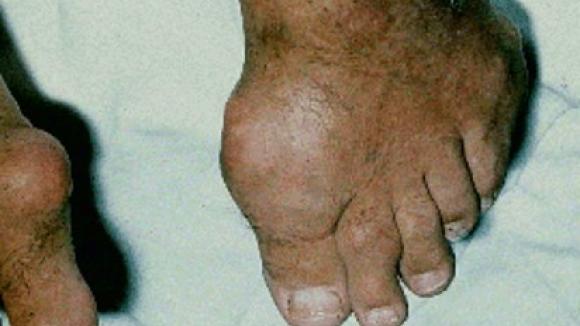
Gout may be an ancient disease, with arthritis of the big toe having been described in Egypt in 2,600 BC, but only now are the underlying pathophysiologic events being elucidated and understood.
Dr. Jack Cush reviews the news and journal articles from the past week on RheumNow.com. Fateful outcomes in Rheumatology, what happens to Seronegatives, IL-23 fails, MRI progression, Not all inflammatory back pain becomes SpA:
MMWR reports that approximately 46 million persons (14%) in the United States live in nonmetropolitan counties, where there is a higher prevalence of obesity-associated chronic diseases such as diabetes, coronary heart disease, and arthritis.
Obese knee osteoarthritis (OA) patients who lose > 20% of their weight were in significantly less pain, had better function and improved quality of life.