Article
All News
Article
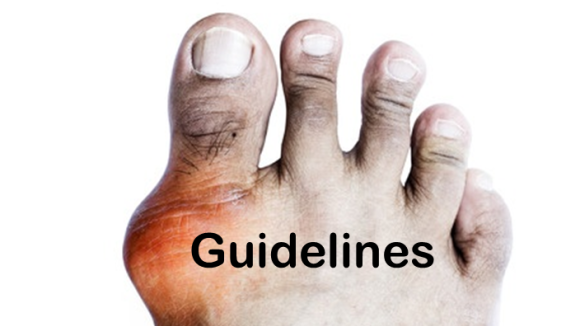
ACP released clinical practice guidelines for the diagnosis and management of gout. Interestingly, these are not always aligned with the 2012 ACR gout guidelines.
Article
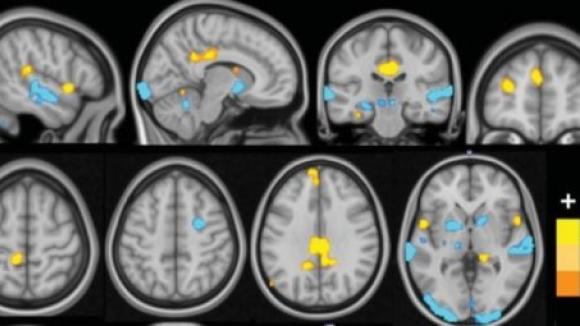
Fibromyalgia is a well characterized condition with disordered pain processing. Although the clinical constellation and diagnostic clues are well characterized, FM lacks a diagnostic biomarker and most imaging and tissue diagnostics have been unrevealing.
Article
Low back pain (LBP) is a highly prevalent public health problem. Not surprisingly, imaging of LBP is also an expensive and often overused diagnostic tool.
Article
The risk of developing ankylosing spondylitis (AS) if you are HLA-B27+ and a first degree relative is often said to be 20%.
Article
Dr. Jack Cush reviews highlights from the journals and news this week on RheumNow.com.
Article
Is the occurrence of a fragility fracture a missed opportunity to reduce exposure to prescription drugs associated with fracture risk?
Article
The goal in rheumatoid arthritis (RA) treatment is remission. But what level or method of remission is best?
Article
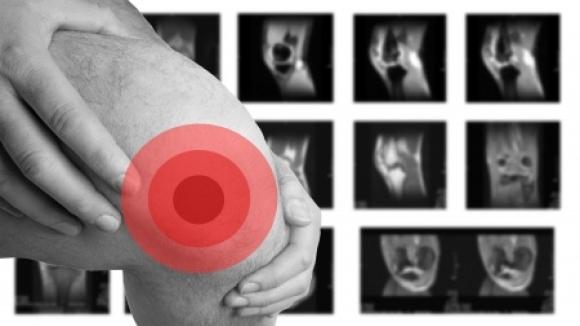
Patient-reported outcomes in rheumatoid arthritis (RA) correlate independently with measures of inflammation and structural damage on MRI scans, according to data from a longitudinal study.
Article
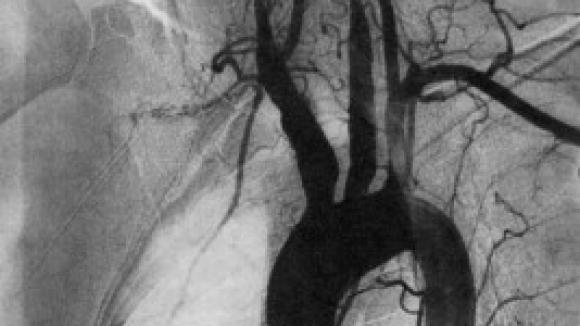
A EULAR task force has updated its 2009 recommendations for the management of anti-neutrophil cytoplasmic antibody associated vasculitis.
Article
Desiree van der Heidje, MD, PhD presented the results of a 16-week, phase II, dose-ranging study of tofacitinib (TOFA) in patients with active ankylosing spondylitis.
Article
Video recap of highlights from this week at RheumNow.com.
Article
Vitamin D supplementation for individuals with knee osteoarthritis and low 25-hydroxyvitamin D levels did not reduce knee pain or slow cartilage loss, according to a study appearing in the March 8 issue of JAMA.
Article
It is estimated that nearly 30% of psoriasis patients will develop psoriatic arthritis (PsA). This prevalence was studied by performing MRI scans on asymptomatic psoriasis (n=56) and 30 control patients without arthritis.
Article
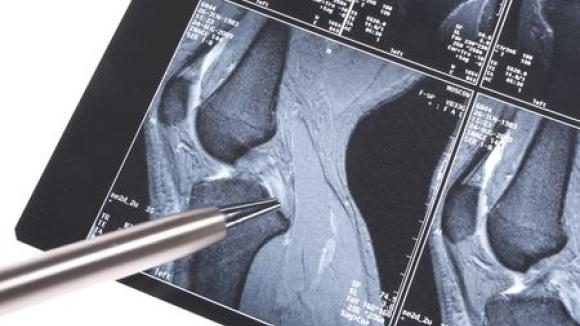
Increased use of MRI for diagnosis of spondyloarthritis (SpA) in the last two decades has led to earlier diagnoses and gradual incorporation of MRI into the SpA assessment toolset.
Article
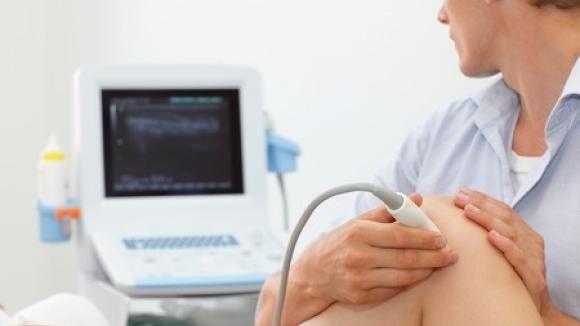
A recent report cites the frequency of musculoskeletal (MSK) ultrasound (US) education in US residency and fellowship training programs.
Article
A prospective study of 136 people who were CCP+, but who had no clinical evidence of synovitis, examined what factors may predict future development of inflammatory arthritis.
Article
A systematic review of the literature was done to assess the relationship between immunosuppressive therapy, adult systemic lupus erythematosus (SLE) and the onset of progressive multifocal leukoencephalopathy.
Article
Medical Research Council study shows MRI lesions may predict which patients will have more rapidly progressing osteoarthritis.
Article
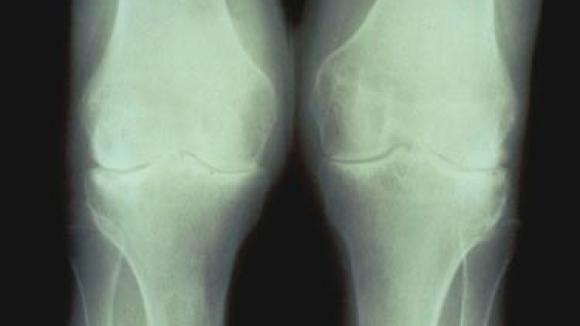
Who knows or ponders the articulations (joints) more so than the rheumatologist or orthopedist? We know their anatomy, their contours, tender sites and how to examine them. Adults have over 200 bones and up to 360 joints. Imagine if you had to do a DAS360?