
Article
Dr. Cush reviews the RheumNow.com highlights in rheumatology for the week ending 19 August 2016.

Search for Terms or Answers
Dr. Cush reviews the RheumNow.com highlights in rheumatology for the week ending 19 August 2016.

Myelodysplastic syndrome may infrequently present with inflammatory or autoimmune symptoms. This literature review shows a variety of presentations and treatment options for such patients.
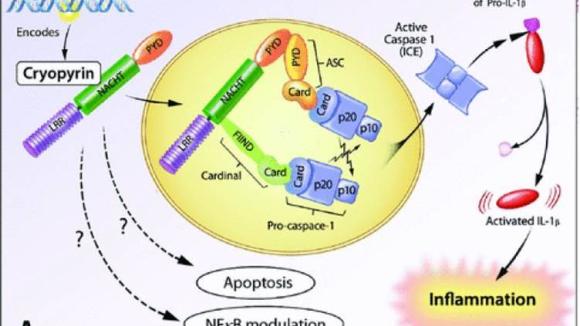
The gene mutations underlying inflammasome activity have been well described, but there appears to be variable penetrance among patients with the same gene mutation, suggesting additional mechanisms may influence disease expression.
In a variety of models, testosterone has been shown to be immunosuppressive and deficiency of testosterone has been linked with autoimmune disease and increases in C-reactive protein (CRP), tumor necrosis factor, and interleukin-6 (IL-6).

The damaging potential of many inflammatory disorders is magnified by well-known associated comorbid conditions. This is particularly true in lupus, rheumatoid arthritis and psoriatic disease.

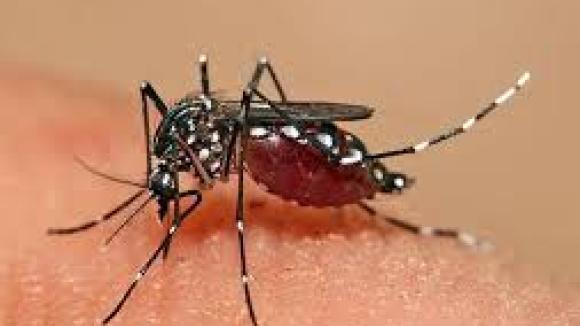
In the last two years there have been increasing reports of mosquito-borne infectious arthritides. Dengue fever was best known until the introduction of viral infections due to chikungunya and Zika.
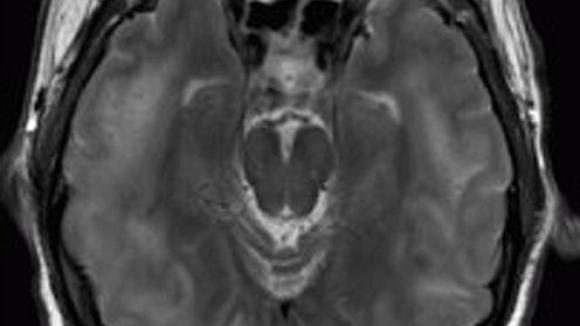
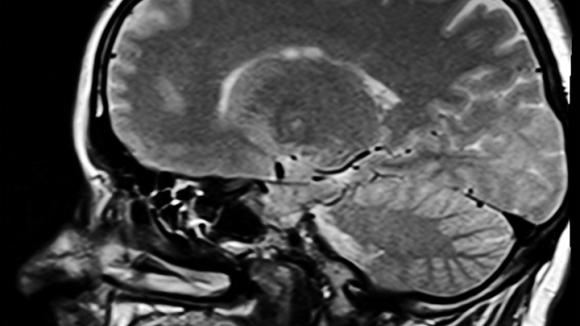
Posterior reversible encephalopathy syndrome (PRES) is a rare neurological disorder with many associations or causative factors that rarely includes autoimmune disorders and lupus.
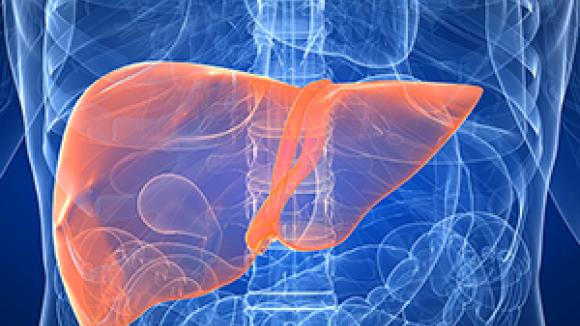
Powell et al have published in Lancet a review of hemochromatosis; its genetics, pathogenesis, clinical manifestations and management.
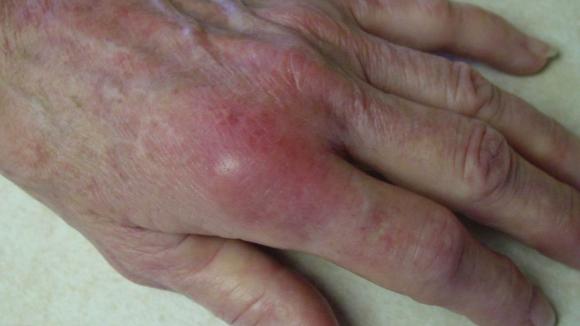
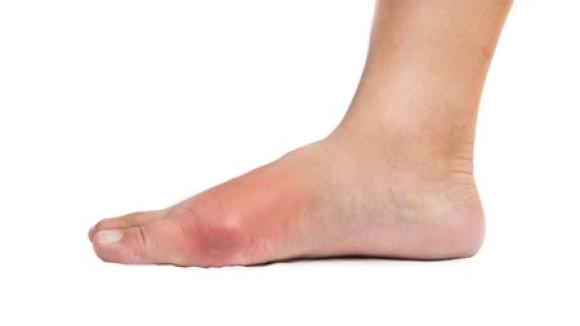
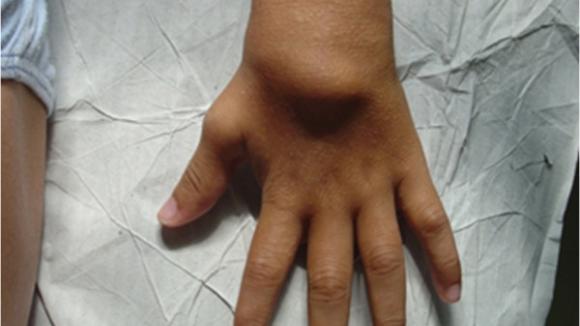
Diuretics are frequently implicated causes of hyperuricemia and gout. And there are gout variants wherein age, renal dysfunction and diuretic use may give rise to gouty attack in the hands of women with nodal osteoarthritis.
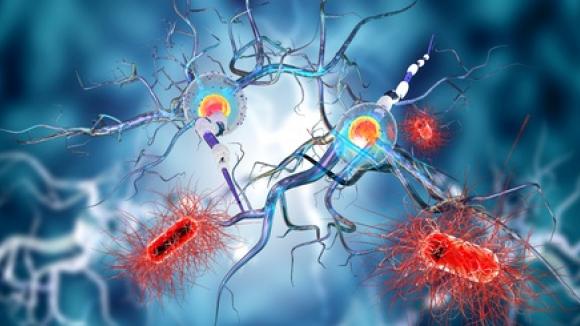
A systematic review of the literature was done to assess the relationship between immunosuppressive therapy, adult systemic lupus erythematosus (SLE) and the onset of progressive multifocal leukoencephalopathy.
Tofacitinib has been approved for use in rheumatoid arthritis.

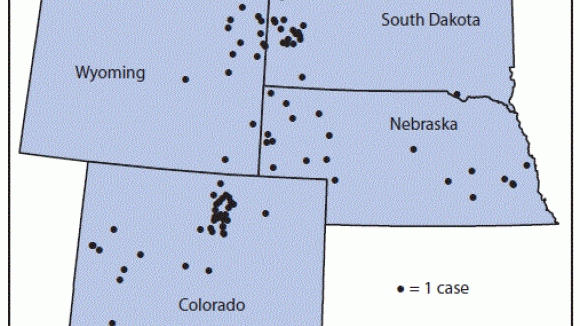
The Centers for Disease Control and Prevention (CDC) has reported a sharp rise in tularemia, especially in Colorado, South Dakota, Wyoming, and Nebraska.
Despite the potential contributory role of TNF in the pathogenesis of multiple sclerosis, several trials have shown that TNF inhibitor (TNFi) use may lead to worsening of MS, optic neuritis and other demyelinating disorders.
Lancet reports the results of a randomized controlled trial comparing prednisone alone to prednisone combined with either methotrexate (MTX) or cyclosporine (CyA) in new-onset juvenile dermatomyositis (JDM).
Giant cell arteritis (GCA) is a medium and large vasculitis, wherein only glucocorticoids (GC) treatment has been the mainstay of therapy. As many will require prolonged treatment, the hazards of GC are well known, lead to substantial toxicity and morbidity.
Uveitis is a common association of juvenile idiopathic arthritis (JIA) that has previously been characterized by poor visual prognosis with limited options for effective treatment.
The defining triad of Blau's syndrome includes granulomatous polyarthritis, dermatitis and uveitis. This rare, monogenic, autosomal dominant disorder stems from a "gain in function" mutation of the pattern recognition receptor NOD2.

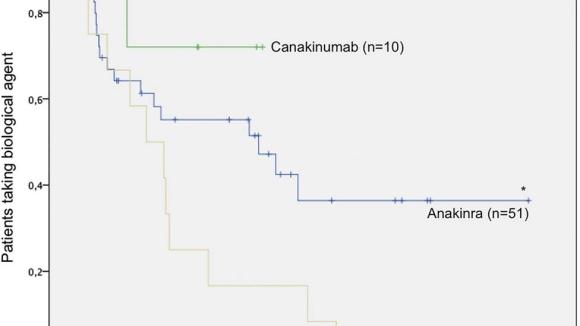
A retrospective review of 77 SoJIA patients revealed that 50-70% achieved inactive disease or remission when treated with IL-1 inhibitors (anakinra, canakinumab). Good responses were seen with tocilizumab or abatacept, but only 8% responded to etanercept.
By downloading this material, I acknowledge that it may be used only for personal use and personal education and that I will accredit RheumNow.com as the source and owner of this material. Commercial use or mass reproduction of this material without permission from RheumNow (info@rheumnow.com) is prohibited.

