
Article
The EULAR 2018 wound down on Saturday with fewer oral presentations but many posters. In my last report I put together a collection of impressions and some thematic highlights not covered in previous reports.

Search for Terms or Answers
The EULAR 2018 wound down on Saturday with fewer oral presentations but many posters. In my last report I put together a collection of impressions and some thematic highlights not covered in previous reports.

Recent shifts in the cancer treatment paradigm towards immune therapies has led to wide implementation of the novel immune check point inhibitors (ICI) in the treatment of multiple types of advanced cancer.
While many autoinflammatory syndromes are driven and managed with select inhibition of IL-1, IL-18 or IL-6, a subset are driven by type I interferon and are referred to as interferonopathies. These monogenic IFN–mediated disorders present in infancy with fevers, systemic inflammation, an IFN response gene signature, inflammatory organ damage, and high mortality.

A population-based study of claims data from Korea shows that among inflammatory bowel disease (IBD) patients receiving tumour necrosis factor inhibitors (TNFi) there is a 3.7 per 100 patient-year risk of paradoxically developing psoriasis - a rate that is roughly 3-fold higher than risk in TNFi-naive IBD patients.
Dr. Jack Cush reviews this weeks reports from RheumNow.com, including the risk of autoimmunity with vaccination, early RA outcomes, new FDA approvals for certolizumab and tofacitinib and the risk of death from infection with biologics.

A study of MPO-ANCA positive patients followed serially over 2 years shows that reappearance of MPO‐ANCA may predict relapse in patients with MPO‐ANCA positive AAV and that routine MPO‐ANCA monitoring is warranted.

Amgen announced that the U.S.

Dr. Jack Cush reviews highlights, news and journal articles from the past week on RheumNow.com.

A retrospective follow-up study of 499 lupus nephritis (LN) patients over three successive eras shows that LN has become less severe in recent years and thus, better long-term survival is possible.
Mortality remains high in granulomatosis with polyangiitis (GPA), but the causes of death tend to change over time, a researcher reported here.
The French Vasculitis Study Group has published the results of the MAINRITSAN2 trial designed to compare individually tailored versus fixed-schedule rituximab (RTX) reinfusion for remission maintenance in patients with antineutrophil cytoplasm antibody (ANCA)-associated vasculitides (AAVs).

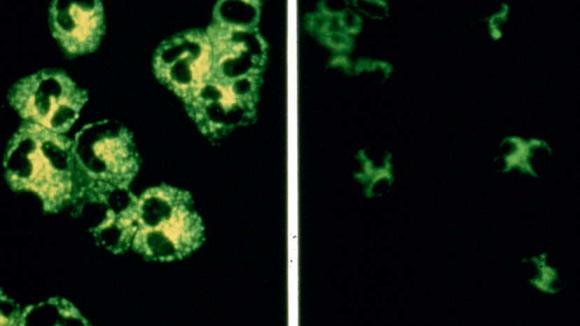
One of the driving pathogenic mechanisms in systemic lupus erythematosus (SLE) is the generation of immune complexes capable of inducing netosis (NET formation) and NET-derived DNA that may be an amplifying autoantigen and give rise to anti-nuclear autoantibodies (ANAs).

Lancet reports that 12 months of sirolimus treatment is associated with improvement in lupus disease activity presumeably by correction of pro-inflammatory T-cell activity.

The Journal of Clinical Investigation reports the results of a trial wherein etanercept (ETN) was shown to be effective in treating cytotoxic T lymphocyte–mediated (CTL-mediated) severe cutaneous adverse reactions (SCARs), including Stevens-Johnson syndrome (SJS) and toxic epidermal necrolysis (T
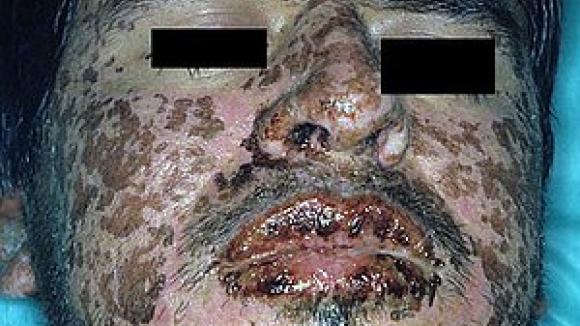
Pregnant women (n=254) with rheumatoid arthritis who enrolled in the MotherToBaby Autoimmune Diseases in Pregnancy Study and who were taking oral glucocorticoids were studied.

This retrospective review is drawn from the authors collection of the most impactful publications, research and news that occurred in 2017. In no particular order, here are my top rheumatology advances, news and research reports for calendar year 2017.
Gabay and colleagues have reported the results of a novel new recombinant human IL-18 binding protein, tadekinig alfa, demonstrating its effectiveness in an open-label dose escalating study in patients with adult-onset Still's disease (AOSD).
An 8-week course of prednisone plus rituximab (Rituxin) offered good outcomes in patients with antineutrophil cytoplasmic antibody (ANCA)-associated vasculitis (AAV), including complete remission, researchers reported.
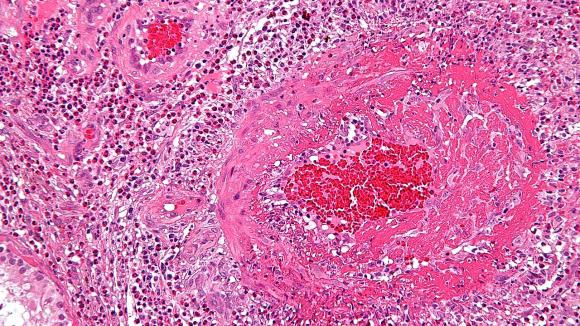
New guidelines have been developed by the American Society of Clinical Oncology (ASCO) and the National Comprehensive Cancer Network (NCCN) on how to assess and manage of immune checkpoint inhibitor side effects that are often autoimmune in nature.

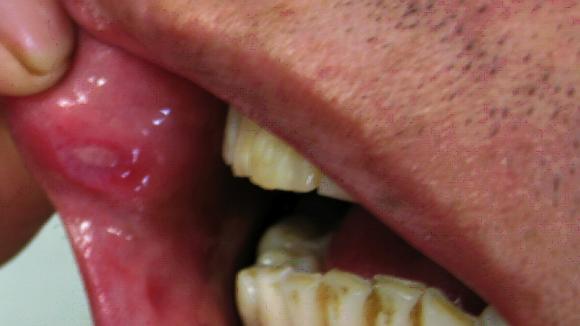
The 2018 American Academy of Dermatology Annual Meeting features recent findings of a phase III trial of apremilast in active Behçet’s Disease, showing significant reductions in oral ulcers at week 12 for those treated with apremilast 30 mg twice daily.
By downloading this material, I acknowledge that it may be used only for personal use and personal education and that I will accredit RheumNow.com as the source and owner of this material. Commercial use or mass reproduction of this material without permission from RheumNow (info@rheumnow.com) is prohibited.

