An observational study of patients with systemic autoimmune inflammatory rheumatic diseases (AIRD) who also had COVID-19 disease shows that AIRD increased the risk of hospitalization, but that the use of disease-modifying antirheumatic drugs (DMARDs) were not associated with hospitalization.
All News
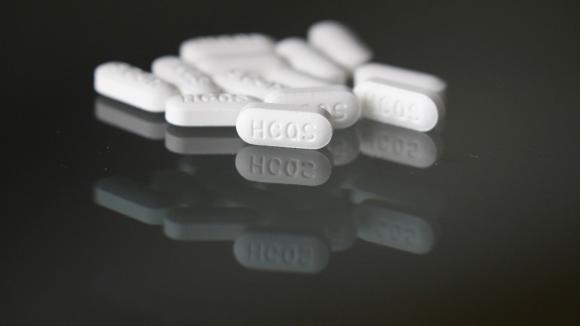
JAMA Internal Medicine has posted an Editor's note on the use of hydroxychloroquine for COVID-19; noting the sequence of dysfunction since the president promoted its use on March 21, 2020, when he said “What do you have to lose? I’ll say it again: What do you have to lose? Take it.”.
Dr. Jack Cush reviews the news and TOP 13 list of Best Rheumatology Hospitals.
A proof-of-concept study published in Annals of Rheumatic Disease suggests that colchicine significantly improves COVID-19 outcomes.
Efficacy and safety must be determined in controlled clinical trials.he outbreak of COVID-19 posed the issue of urgently identifying treatment strategies. Colchicine was considered for this purpose based on well-recognised anti-inflammatory effects and potential antiviral properties.
The American College of Rheumatology (ACR) has issued a guidance document for rheumatologists and rheumatology health professionals to consider as practices, business and patient care begins to reopen in this next phase of the COVID-19 pandemic.
Dr. Jack Cush reviews the News and Journal Reports from the past week on RheumNow.com.
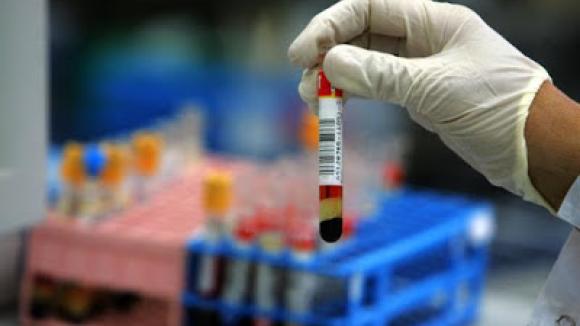
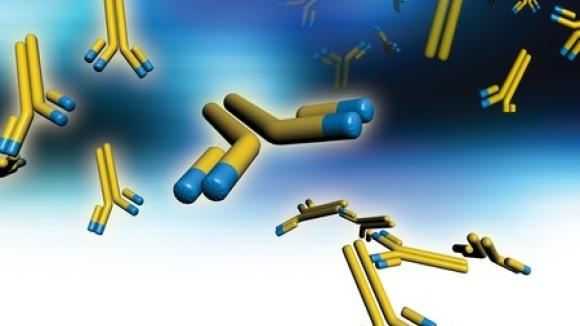
In an Annals of Rheumatic Disease report, Italian investigators performed consecutive testing for SARS-CoV-2 (IgM and IgG) between 25 March to 25 May 2020 and compared test results between rheumatic disease (RMD) patients and the general population.
According to a small, observational study out of UCLA published as correspondence in the NEJM on July 21, 2020, those with mild COVID-19 symptoms showed an approximate antibody half-life of 73 days.
COVID-19 infection was confirmed by PCR in 30 out of 34 study participants. The remaining four patients developed consistent symptoms and cohabitated with a person who had a known positive test but could not get testing due to availability or mild symptoms.
The number of reporting cases of COVID-19 infection tends to underestimate the true prevalence of infection as only the more severe cases (e.g.,acute respiratory syndrome) get tested or go to the hospital. JAMA Internal Medicine reports that a cross-sectional seroprevalence study from the U.S. shows that COVID-19 is underreported and that actual infection rates can be 6 to 24 times more prevalent than currently reported infections due to SARS-CoV-2.
A recent study from the Netherlands has shown that patients with severe COVID-19-associated cytokine storm syndrome (CSS) with high dose steroids and tocilizumab had a faster recovery, less need for invasive mechanical ventilation and fewer deaths when compared to CSS patients receiving supportive care only.
They studed COVID-19 patients with CSS, defined as rapid respiratory deterioration plus at least two of the following biomarkers: a) C-reactive protein >100mg/L; b) ferritin >900 µg/L; or c) D-dimer >1500 µg/L.