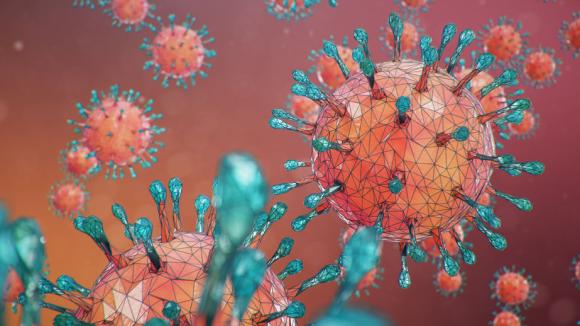
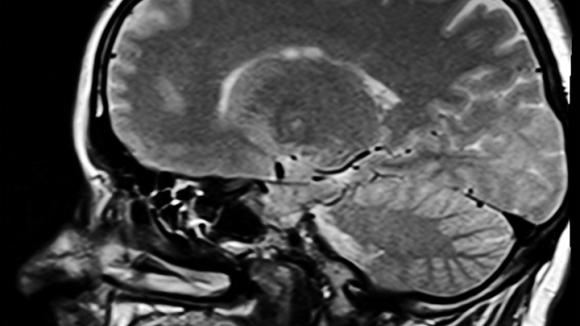
Inflammatory events following infection with SARS-CoV-2 can often worsen the morbid or mortal outcomes with COVID, yet it has been unclear if glucocorticoids may modulate inflammation-mediated damage and lung injury. The RECOVERY trial reports that dexamethasone (DEX) use lowered 28-day mortality among COVID-19 patients requiring respiratory support.
The RECOVERY trial was performed in the UK and enrolled hospitalized COVID-19 patients who were randomly assigned patients to usual care alone or the addition of oral or intravenous dexamethasone (at a dose of 6 mg once daily) for up to 10 days. The primary outcome was 28-day mortality.
All News
From January 1, 2020–May 18, 2020, approximately 1.3 million cases of coronavirus disease 2019 (COVID-19) and 83,000 COVID-19–associated deaths were reported in the United States.
Dr. Jack Cush reviews the news, tweets and journal articles from the past week on RheumNow. Let's dig into this week's 14 highlights.
Since the onset of the COVID-19 pandemic numerous anti-rheumatic therapies have been proposed as being potentially beneficial. The mechanistic effects of these agents, either presumed antiviral, anti-inflammatory and anti-thrombotic effects, may benefit mitigate the damage seen with COVID-19 infection.
This review will examine the potential benefits and existing evidence for treating suspected or proven COVID-19 infection with antimalarials, inhibitors of interleukin-6 (IL-6) or interleukin-1 (IL-1) Janus kinase (JAK) inhibitors, TNF inhibitors or colchicine. There are many other antirheumatic and immunosuppressive therapies that are in clinical trials that will not be reviewed here including IVIG, rituximab, calcineurin inhibitors (sirolimus, etc.), apremilast, emapalumab (anti-IFN gamma), etc.
The risk COVID-19 infection and mortality in the U.S. has been closely correlated with increasing age. However, recent data suggests that young adults (aged 18–25 years) have shown an increasing risk of COVID-19 infection since the pandemic began in March 2020.
A new article in Nature Medicine delineates how our understanding of COVID-19 infection has evolved over time, such that the infection outomes may be worsened by extrapulmonary manifestations; notably thrombotic, cardiac, renal, gastrointestinal hepatic, neurologic, and other complications.