The opening of ACR2 Convergence was a hit for all who signed up and viewed in. The day included the presidential address by outgoing president Dr. David Karp (UT Southwestern) and a keynote talk and interview with Dr. Seema Yasmin (Stanford).

All News
Patients with rheumatic diseases – requiring lifelong immunosuppressants— are at high risk for respiratory and viral infections. Over the past decade, an armamentarium of biologic and targeted therapies has led to better control of disease activity in patients with rheumatoid arthritis. Whether these patients, especially those receiving newer biological and targeted therapies such as JAK inhibitors, are at an increased risk of severe COVID-19 outcomes remains uncertain.
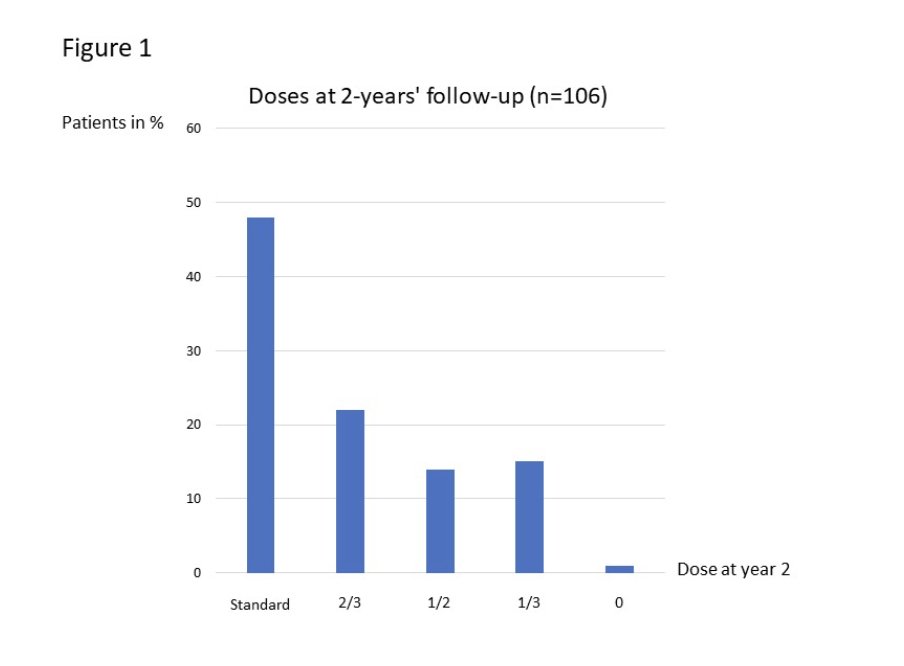
New research presented this week at ACR Convergence, the American College of Rheumatology’s annual meeting, shows that proactive therapeutic drug monitoring, a newer treatment strategy where a patient’s drug serum levels are regularly assessed to adjust the dose and intervals, controlled disease more effectively than standard therapy with infliximab, a tumor necrosis factor (TNF) inhibitor.
National Health Data from France examined biologic use in patients with moderate to severe psoriasis, and found the risk of serious infections (SIE) to be increased with some biologics (infliximab and adalimumab), but not others (etanercept, ustekinumab IL-17 and IL-23 inhibitors or apremila
Healthcare is a personal and individualized relationship between a provider and patient. Each patient is treated according to their particular symptoms and personal health characteristics.
Registry level data of patients with immune-mediated inflammatory diseases (IMIDs) diagnosed with COVID-19 should continue their TNF inhibitor (TNFi) therapy as such patients were less likely to experience adverse COVID-19 outcomes (compared to other immunomodulatory treatments).