
Article
Dr. Jack Cush reviews the news and major articles from this week, including FDA safety warnings, reports from AAD, PsA trials.

Search for Terms or Answers
Dr. Jack Cush reviews the news and major articles from this week, including FDA safety warnings, reports from AAD, PsA trials.

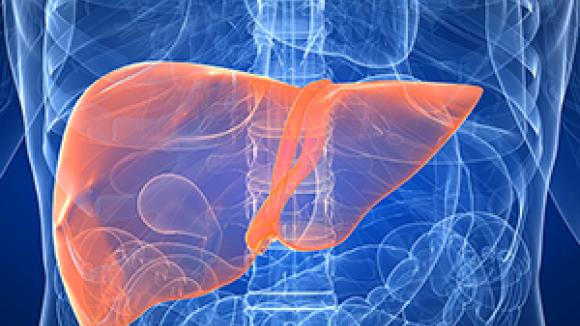
Yesterday the FDA issued a Drug Safety Communication alerting patients and health care professionals about postmarketing identification of serious (drug induced) liver injury, including fatal cases, associated with the use of avacopan (Tavneos) in patients with ANCA- associated vasculitis.
The TOGETHER-PsA trial has demonstrated the efficacy and safety of ixekizumab (IXE) administered with tirzepatide (TZP) in adult active psoriatic arthritis (PsA) patients who were overweight or obese.

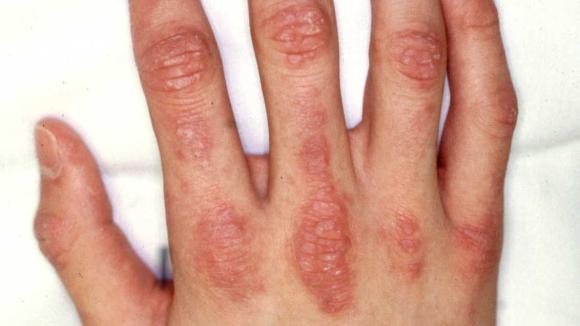
The NEJM reports that brepocitinib, an oral TYK2–JAK1 inhibitor, was studied in a phase 3 trial of refractory dermatomyositis (DM) patients and shown to have significant benefits at the higher dose.
A pilot trial assessed the efficacy and safety of the guselkumab+golimumab (COMBO) combination versus guselkumab (GUS) monotherapy in active PsA (failing a prior tumor necrosis factor inhibitor (TNFi-IR) and showed superiority in ACR 50 responses but not minimal di

Dr. Jack Cush reviews the journal reports and news from RheumNow.com. This week we discuss moral distress, FM in PsA, Lyme Vax is back & hidden but tangible benefits of the MDHAQ.
Drs. Dejaco and Matteson have published and update and review of polymyalgia rheumatica (PMR) in the NEJM. They lay out the initial approach to diagnosis, initial steroid dosing, management over time and when to use steroid sparing therapy.

Medicare coverage of targeted disease-modifying anti-rheumatic drugs (DMARDs) for rheumatoid arthritis (RA) -- both under Medicare Advantage and in separate Part D plans -- is likely to leave many patients wanting, researchers found.

European nations may be winning at optimizing care for people with axial spondyloarthritis (axSpA), international survey data indicate. In data collected from physicians and patients in the U.S. and five European countries, American patients reported a greater symptom burden on average after treatment had begun, and they agreed less often with their physicians regarding satisfaction with therapy.
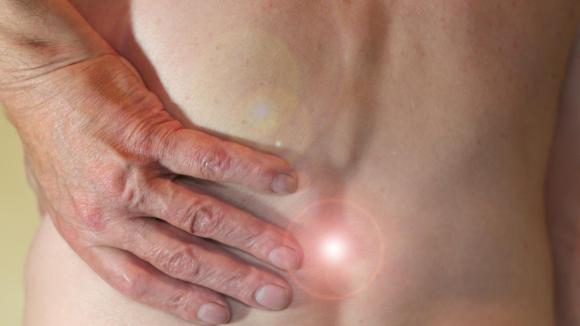
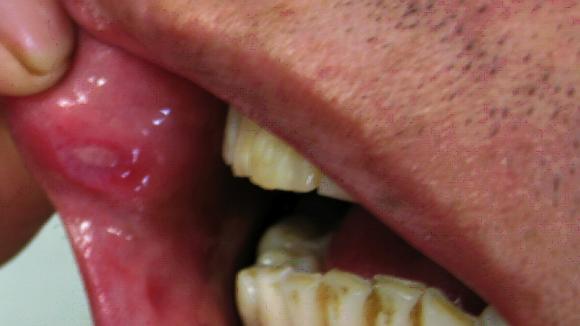
EULAR has updated its recommendations for the management of Behçet’s syndrome, the last being published in 2018. The current update carries no recommendations from the previous version: seven recommendations have content modifications, four have minor wording amends, and one is entirely new.








By downloading this material, I acknowledge that it may be used only for personal use and personal education and that I will accredit RheumNow.com as the source and owner of this material. Commercial use or mass reproduction of this material without permission from RheumNow (info@rheumnow.com) is prohibited.


