
Article
Dr. Jack Cush reviews the news and journal articles from the past week on RheumNow.com

Search for Terms or Answers
Dr. Jack Cush reviews the news and journal articles from the past week on RheumNow.com
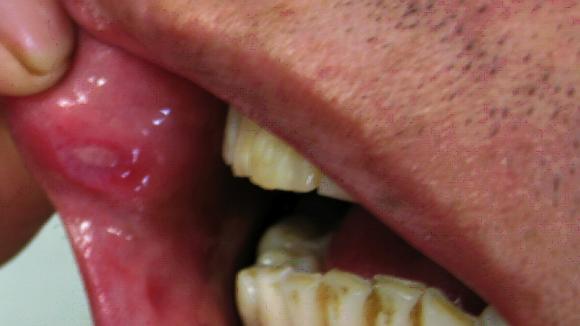
A small prospective study has shown that ustekinumab is safe and effective in Behçet's disease (BD) with recurrent oral ulcers (OU).
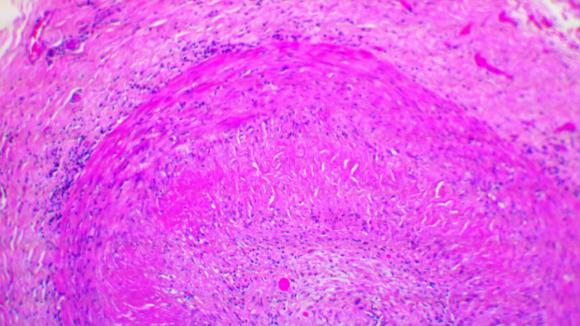
Prior to the introduction of tocilizumab to manage giant cell arteritis (GCA), glucocorticoids (GC) have been the mainstay of therapy, but has been limited by relapses in disease.
Dr. Jack Cush reviews the news and journal reports from the past week on RheumNow.com.
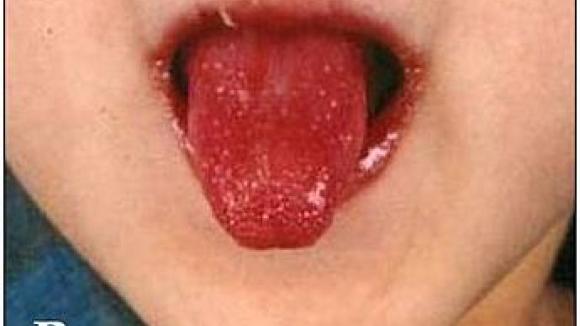
A Lancet study has shown that adding cyclosporin to intravenous immunoglobulin (IVIG) Kawasaki disease patients, who were predicted to be resistant to IVIG, was both safe and effective in averting severe coronary artery outcomes.
In patients with rheumatoid arthritis (RA), there was no increased risk for malignancy development seen with newly initiated tocilizumab (Actemra) treatment, an analysis of three U.S. insurance claim databases found.

The Swedish Society of Rheumatology has developed evidence-based guidelines for the management of giant cell arteritis (GCA) with a focus on the appropriate use of corticosteroids and tocilizumab.
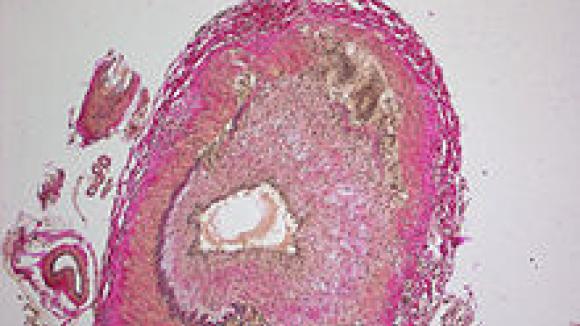
A Cleveland Clinic review of patients undergoing thoracic aortic surgery (1996‐2012) identified 196 patients with histopathology‐proven non‐infectious aortitis.
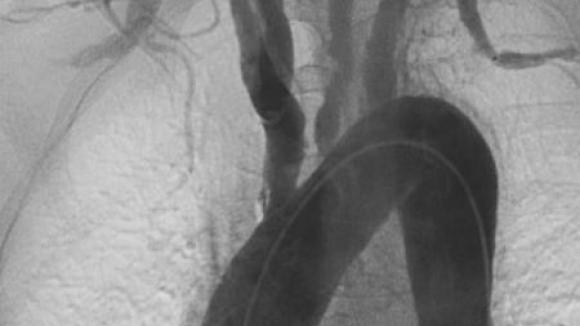
There seems to be both hope and uncertainty regarding the use of weekly methotrexate (MTX) in giant cell arteritis (GCA) patients whom need to limit their glucocorticoid use.
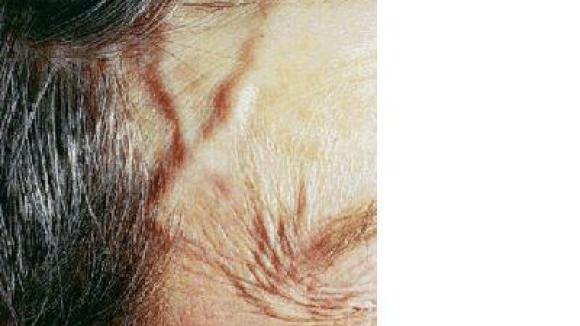
Tocilizumab (Actemra) was effective for refractory giant cell arteritis (GCA) in real-world practice, although serious infections occurred relatively frequently, Spanish investigators reported.
Dr. Jack Cush reviews the news and journals for the beginning of 2019. All from RheumNow.com.
Best wishes for a charmed 2019! My advice: 1. Just show up. 2. If you can, then you must do. 3. Live each day as if it twas your 1st day/last day/make or break day. 4. Teach.
Dr. Jack Cush updates the news and reports from the past week at RheumNow.com:

The U.S. Food and Drug Administration on Wednesday approved Celltrion biosimilar of rituximab called Truxima; previously called CT-P10, now generically labeled as rituximab-abbs. This is the first biosimilar to the Rituxan currently approved to treat non-Hodgkin’s lymphoma. Truxima is not approved for use in rheumatoid arthritis, vasculitis, pemphigus vulgaris or chronic lymphocytic leukemia.
Dr. Jack Cush reviews the news from the past week at RheumNow.com.
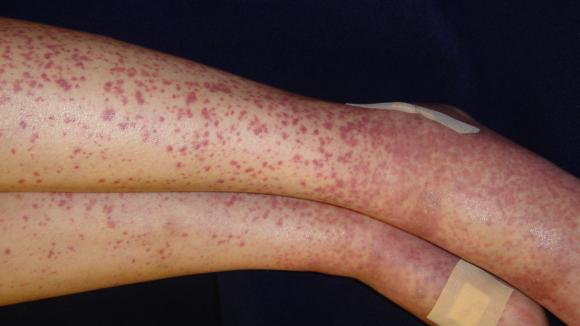
Management of Henoch-Schonlein purpura (HSP) can be challenging as supportive care and avoidance of corticosteroids are often insufficient options. A new series of case reports and literature review of steroid refractory HSP suggests that rituximab may be effective in reducing hospital admissions, overall steroid use, and is capable of inducing remission.
As Dr. John Stone, MD, MPH recounted in his presentation regarding the new ACR/EULAR Classification Criteria for IgG4-Related Disease (IgG4-RD), only 15 years prior, IgG4-related disease was an unknown entity in the medical community.
This past week in Chicago gave us a plethora of new and eye-opening research, people, KOLs, exhibits, sessions, guidelines, posters and a never-ending supply of coffee served in small paper cups. ACR 2018 highlights for me included:

A very small study presented at ACR18 looking at tocilizumab monotherapy in patients with a new diagnosis of giant cell arteritis has nevertheless given hope to the tantalising idea that some GCA patients might achieve drug-free remission without steroids, although broader data are requ
Highlights from Tuesday, day 3 of the ACR Annual meeting in Chicago, included:
The PEXIVAS Study – 2x2 Trial of Plasma Exchange and Reduced Steroids in ANCA-Associated Vasculitis (AAV) - Abstract #2788

The Norwegian connective tissue disease (CTD) and systemic vasculitis (PSV) registry (NOSVAR) studied patient outcomes over a 15 year period and found overall mortality to be higher in the CTD compared to the PSV group.
By downloading this material, I acknowledge that it may be used only for personal use and personal education and that I will accredit RheumNow.com as the source and owner of this material. Commercial use or mass reproduction of this material without permission from RheumNow (info@rheumnow.com) is prohibited.

