
Article
Dr. Diane Kamen. a rheumatologist and lupologist from the Medical University of South Carolina in Charleston, South Carolina, discusses the use of mychophenolate in the management of systemic lupus.

Search for Terms or Answers
Dr. Diane Kamen. a rheumatologist and lupologist from the Medical University of South Carolina in Charleston, South Carolina, discusses the use of mychophenolate in the management of systemic lupus.

Imagine a world where the multiple drugs in Phase 2 and 3 trials actually get approved, and we get access to them? I know you may be thinking that I am overly optimistic, but there are so many drugs in development in lupus that we may have true difficulty choosing what to use.

Sodium-Glucose Cotransporter 2 Inhibitors (SGLT2i) and Glucagon-like peptide-1 receptor agonists (GLP1-RA) were initially developed as glucose-lowering agents for the treatment of Type 2 Diabetes. Since their introduction, they have been noted to have a myriad of other benefits, including cardiovascular and renal protective effects in patients both with and without diabetes. Here, we will review the evidence for SGLT2i and GLP1-RA in lupus.

A post hoc analysis of a belimumab (BEL) inn systemic lupus erythematosus (SLE) study showed lupus mucocutaneous and vasculitic manifestations improve with BEL and standard care.
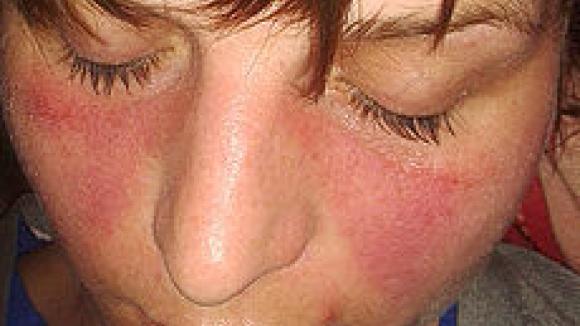
An observational cohort study was started in Toronto by Dr. Murray Urowitz in 1970. The program was set up as a specialized clinic to provide care for patients with lupus, to study clinical laboratory correlations in the disease, and to better understand long-term outcomes of the disease. What have we learned from more than 50 years of follow-up of patients with lupus? Some of the important observations include the following.











By downloading this material, I acknowledge that it may be used only for personal use and personal education and that I will accredit RheumNow.com as the source and owner of this material. Commercial use or mass reproduction of this material without permission from RheumNow (info@rheumnow.com) is prohibited.


