
Article
Dr. Jack Cush reviews the journal reports from the past week on RheumNow.com. Highlights are summarized by three songs: "Stairway to Heaven", "You're No Good", and "How Long (has this been going on)".

Search for Terms or Answers
Dr. Jack Cush reviews the journal reports from the past week on RheumNow.com. Highlights are summarized by three songs: "Stairway to Heaven", "You're No Good", and "How Long (has this been going on)".

NHANES national survey study shows that sedentary behavior is an independent risk factor for gout, especially in those without hyperuricemia.

A systematic review of randomized clinical trials of patients with biopsy-proven lupus nephritis demonstrates both the benefits and harms to early glucocorticoid regimens on lupus outcomes.
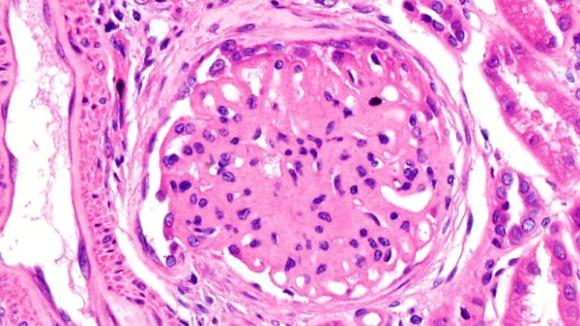
A follow-up analysis of a randomized clinical trial found that the use of calcium and vitamin D supplements among postmenopausal women was associated with decreased risk for cancer mortality, but increased risk for cardiovascular disease mortality. The analysis is published in Annals of Internal Medicine.
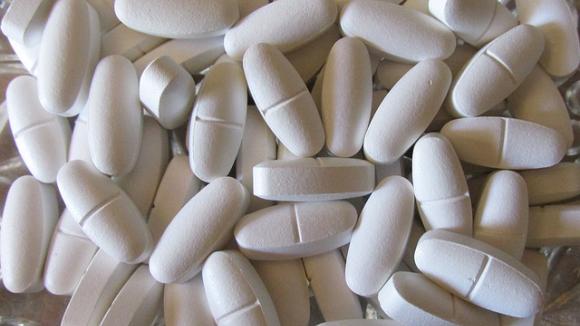
Systemic lupus erythematosus (SLE) outcomes were assessed based on whether they received sodium-glucose co-transporter 2 inhibitors (SGLT2i), in the setting of comorbid type 2 diabetes (T2D).
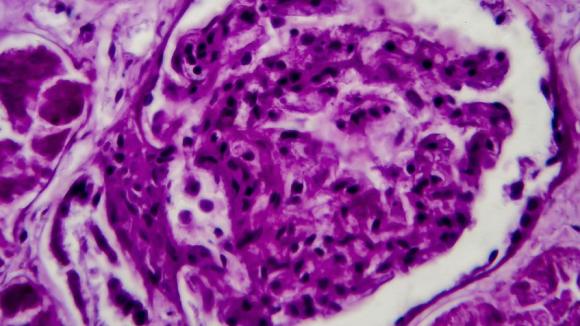
Glucocorticoids are widely prescribed as anti-inflammatory and immunosuppressive agents. This results in at least 1% of the population using chronic glucocorticoid therapy being at risk for glucocorticoid-induced adrenal insufficiency. This risk is dependent on the dose, duration and potency of the glucocorticoid, route of administration, and individual susceptibility.
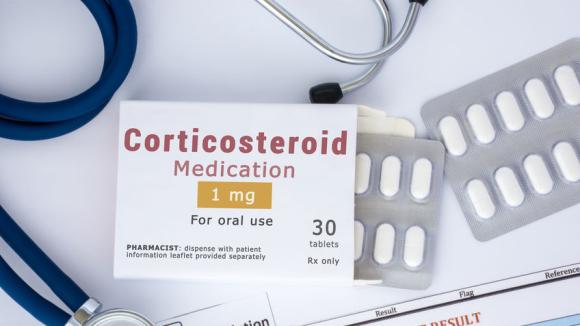
A retrospective cohort study of biological disease-modifying antirheumatic drugs (bDMARDs) persistence in rheumatoid arthritis patients with chronic kidney disease, shows the 3 year survival to be under 50% but that all studied biologics were nearly equivalents with regard to safety and efficacy.
Ankylosing spondylitis (AS) patients not responding to usual dosing with secukinumab (150 mg) after 16 weeks were dose escalated to secukinumab (SEC) 300 mg, but failed to show improvement by week 52.
The “Controversies in Vitamin D” International Conference has published their proceedings on vitamin D metabolism, assessment, actions, and supplementation. Interestingly, optimal levels of 25-hydroxy vitamin D (25(OH)D) are still being debated.



By downloading this material, I acknowledge that it may be used only for personal use and personal education and that I will accredit RheumNow.com as the source and owner of this material. Commercial use or mass reproduction of this material without permission from RheumNow (info@rheumnow.com) is prohibited.


