
Article
Dr. Jack Cush reviews the news and journal reports from the past week on RheumNow.com, noting his concerns about diet, cancer, ILD, death and dosing challenges.

Search for Terms or Answers
Dr. Jack Cush reviews the news and journal reports from the past week on RheumNow.com, noting his concerns about diet, cancer, ILD, death and dosing challenges.

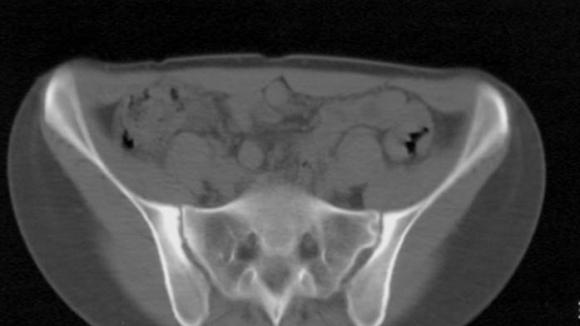
Ankylosing spondylitis (AS) patients not responding to usual dosing with secukinumab (150 mg) after 16 weeks were dose escalated to secukinumab (SEC) 300 mg, but failed to show improvement by week 52.
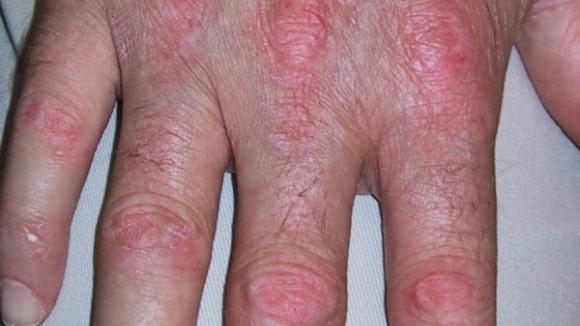
JAMA Dermatology has published a review of dermatomyositis (DM), focusing on similar and different manifestations of DM.
DM affects all races, but it has been suggested that racial and ethnic minority patients may have more severe disease and a different autoantibody profile. This analysis characterizes the clinical features and outcomes of DM in Hispanic and non-Hispanic patients.
A recent article in PLOS ONE has shown that treatment of type 2 diabetes with glucagon-like peptide-1 receptor agonists (GLP-1-RAs) was associated with a significant lowering of risk of all-cause mortality and major adverse cardiovascular events in patients with immune-mediated inflammatory diseases and type 2 diabetes.

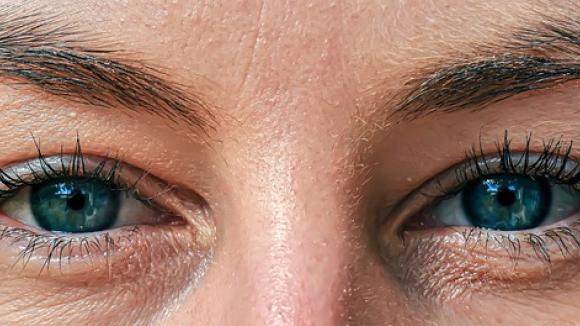
Sjögren's disease is a chronic autoimmune condition without a clear effective therapy - DMARD or biologic. The TWINSS study has demonstrated the safety and efficacy of iscalimab, a monoclonal antibody against CD40, in a phase 2 randomized clinical trial of active Sjögren's disease (SD).
A Canadian cohort of difficult-to-treat rheumatoid arthritis (D2T RA) patients shows significantly more non-inflammatory pain in D2T RA compared to patients responding to b/tsDMARDs.

A recent study that quantified the economic and humanistic burden of rheumatoid arthritis (RA) in the USA showed significantly higher health care expenditures, particularly medication costs, and suboptimal quality of life in RA.

A matched cohort study from the Veterans Health Administration shows that rheumatoid arthritis patients have a >50% increased risk of lung cancer, and a 3-fold higher risk of lung cancer in RA-interstitial lung disease (ILD).

Dr. Jack Cush reviews the news and journal reports from RheumNow.com this week.
The effectiveness and safety of romosozumab (ROMO) and teriparatide (TPTD) were compared in a clinical setting, and ROMO showed greater increases in BMD than TPTD after 12 months of therapy, along with a higher completion rate.

A new scientific review of 148 studies enrolling over 4.3 million adult chronic pain patients treated with prescription opioid painkillers has found that nearly one in ten patients experiences opioid dependence or opioid use disorder and nearly one in three shows symptoms of dependence and opioid use disorder.

Maksymowych and colleagues have shown that screening patients with either psoriasis, iritis, or colitis may yield a surprising percentage meeting ASAS criterial for axial spondyloarthritis (axSpA).

Real-world, retrospective study of microscopic-polyangiitis (ΜPA) and granulomatosis-with-polyangiitis (GPA) patients shows that rituximab (RTX) maintenance was associated with 25% risk of relapse and that lower relapse rates was seen with RTX plus cyclophosphamide treatment.
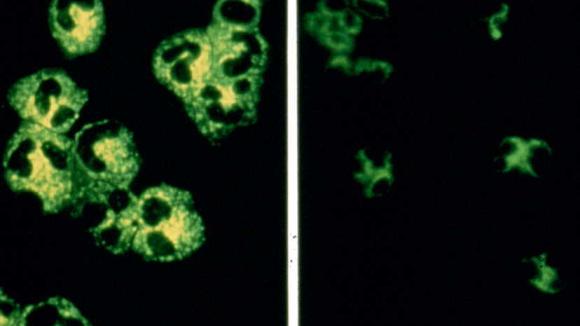
Data from a major federal survey indicate that people with rheumatoid arthritis (RA) don't pay massively more for healthcare than other folks, nor is their risk for functional deficits tremendously greater, researchers found.
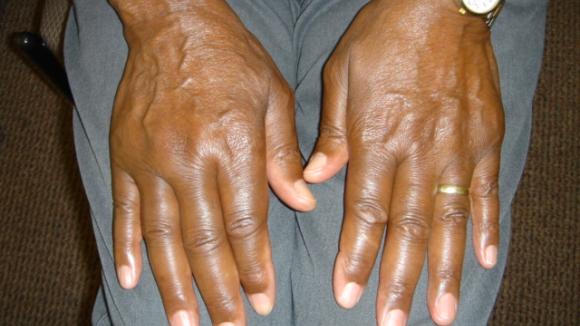
A systematic and scoping literature examined the Treat-to-target (T2T) approach to rheumatoid arthritis (RA), noting its implementation is suboptimal and finding many barriers to implementation.

The Global Burden of Diseases, Injuries, and Risk Factors Study of 2021 has forecasted prevalence of gout to increase by 70% by 2050. In the USA, the prevalence of gout is estimated to be 10.3 million. As of 2020, 55.8 million people globally had gout, with a prevalence of 659.3 per 100 000 (this represents a 22.5% increase since 1990).
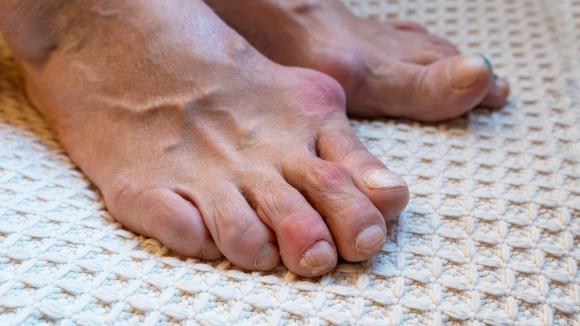
CARRA has developed consensus treatment plans for the use of biologic disease-modifying antirheumatic drugs (bDMARDs) in patients with refractory, moderately severe juvenile dermatomyositis. Juvenile dermatomyositis is the most common form of idiopathic, inflammatory myositis in childhood, with an estimated incidence of 3.2 per million children per year in the United States.
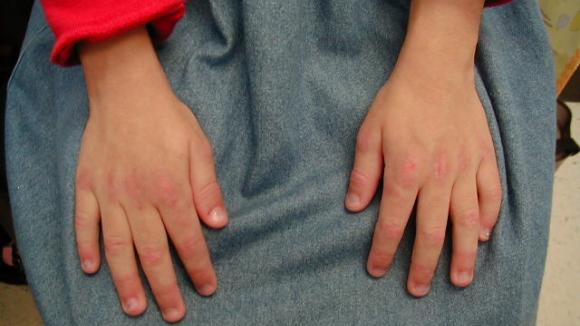


By downloading this material, I acknowledge that it may be used only for personal use and personal education and that I will accredit RheumNow.com as the source and owner of this material. Commercial use or mass reproduction of this material without permission from RheumNow (info@rheumnow.com) is prohibited.


