
Article
FIRST is a Japanese longitudinal, real-world registry of rheumatoid arthritis (RA) management, and over the last 20 years has shown significantly improved outcomes, yet significant challenges and unmet needs remain.

Search for Terms or Answers
FIRST is a Japanese longitudinal, real-world registry of rheumatoid arthritis (RA) management, and over the last 20 years has shown significantly improved outcomes, yet significant challenges and unmet needs remain.
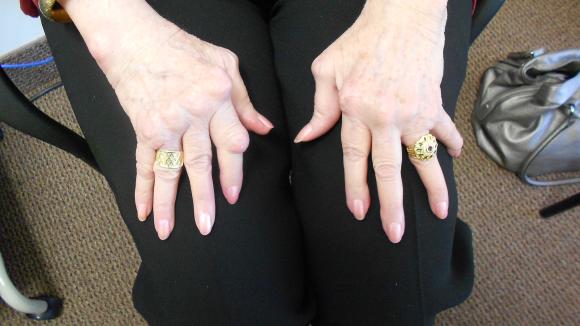
Rheumatology patients considering or actually having babies can safely take most of the medications currently used to treat their conditions, according to an updated guideline from the European Alliance of Associations for Rheumatology (EULAR).

Based on the results of the SELECT-GCA study, the US FDA has approved upadacitinib (Rinvoq or UPA) for the treatment of adults with giant cell arteritis (GCA), also known as temporal arteritis. This is the 9th FDA approved indication for upadacitinib in the U.S. for use in rheumatology, gastroenterology, and dermatology.

A EULAR/PReS combined task force has developed recommendations for the management of Familial Mediterranean fever (FMF), the most common monogenic autoinflammatory disease worldwide. These evidence-based recommendations update the 2016 recommendations developed for rheumatologists and other HCPs who care for FMF patients.

Rheumatoid arthritis (RA) patients in Denmark with a history of solid tumor cancers, now in remission, faced no greater likelihood of cancer relapse when they were treated with biologic agents, compared with conventional disease-modifying anti-rheumatic drugs (DMARDs).

Dr. Jack Cush reviews the news and journal reports from the past week on RheumNow.com. Should we believe the reviews and metanalyses?

JAMA has published a clinical guideline on the use of vitamin D to prevent disease in children and adults.

In February 2023, an expert consensus panel of pediatric and adult rheumatologists met to address challenges in Still’s disease (SD), including systemic juvenile idiopathic arthritis and adult-onset SD. They addressed four main topics: (1) early recognition and diagnosis of SD; (2) pathogenetic pathways and possible biomarkers for diagnosis and response; (3) refractory disease and risk factors, and (4) treatment of SD and its complications.









By downloading this material, I acknowledge that it may be used only for personal use and personal education and that I will accredit RheumNow.com as the source and owner of this material. Commercial use or mass reproduction of this material without permission from RheumNow (info@rheumnow.com) is prohibited.


