The NEJM has reported the NIH's Undiagnosed Diseases Network (UDN) study results of genetically identifying new diseases from prospectively followed persons with undiagnosed disorders.
The UDN was formed in 2014 as a network of seven clinical sites, two sequencing cores, a coordinating center, central biorepository, a metabolomics core, and a model organisms screening center. It was established to apply a multidisciplinary model in the evaluation of the most challenging cases and to identify the biologic characteristics of newly discovered diseases.

All News
Dr. Jack Cush updates the news and reports from the past week at RheumNow.com:
Dr Jack Cush reviews the News and Journal reports from the past week on RheumNow.com. Be sure to check out our upcoming meeting in March 2019 - RheumNow Live.
Here are a few important advances in our understanding of interstitial lung disease (ILD) from the ACR 2018 meeting last week.
The Annals of Internal Medicine features a communique from the Karolinska Institutet in Sweden demonstrating that elevated levels of antiphospholipid antibodies may be found in patients with myocardial infarction without any autoimmune co-morbidity, published in Annals of Internal M
Dr. Jack Cush reviews the news from the past week on RheumNow.com.
The Annals of Internal Medicine reports that interleukin-1 (IL-1) inhibitor treatment is associated with a reduced risk of gout attacks - such are the findings of an anlysis of the CANTOS study previously reported at the Annual ACR 2017 meeting in Washington, DC.
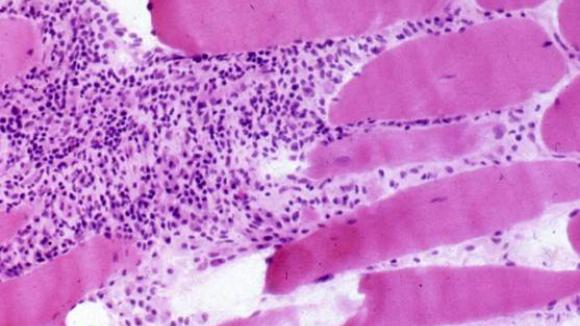
Using an observational cohort analysis of patients in the French myositis network, researchers have proposed a new classification of idiopathic inflammatory myopathies (IIM) with four subgroups: dermatomyositis, inclusion body myositis, immune-mediated necrotizing myopathy, and antisynthetas
Dr. Jack Cush reviews news and journal articles from the past week on RheumNow.com.
Uric acid (sUA) control may be a challenge in patients with chronic kidney disease (CKD). A cohort study shows that conventional dosing recommendations for allopurinol are unlikely to reach target serum sUA goals.
A Canadian Rheumatology Association SLE Working Group was established to develop recommendations for the assessment of people with systemic lupus erythematosus.
A panel that included 23 adult rheumatologists, 4 pediatric rheumatologists, 1 immunologist, 4 general internal medicine and rheumatology trainees, and a patient representative, used GRADE methodology to assess the literature and develop guidelines.
The British Society of Rheumatology has produced a set of NICE accredited guidelines for the use of biologic therapies in patients with inflammatory arthritis.
In July 2018, RheumNow launched a “Live Vote” survey of US and non-US rheumatologists that asked how they diagnose and treat systemic juvenile idiopathic arthritis (sJIA), also known as “Still’s disease”. It appears that many prefer to start therapy with an IL-1 inhibitor, after a course of steroids and MTX/DMARD. Yet, these findings suggest there are significant unmet needs in the diagnosis and management of sJIA patients.
Dalbeth and colleagues studied 4 large prospective cohorts and found that rising levels of serum uric acid (SUA) leads to a non-linear increased risk of incident gout, but only half of those with SUA ≥10mg/dL developed clinically evident gout.
An Australian prospective study of patients with rheumatoid arthritis (RA), psoriatic arthritis (PsA) and ankylosing spondylitis (AS) has shown that sustained use of tumour necrosis factor (TNFi) inhibitors or biologics can reduce the risks of cardiovascular events (CVEs).
Dr. Jack Cush reviews the news and journal reports from the past week on RheumNow.com.
The Annals of Rheumatic Disease have published the recently developed Latin American clinical practice guidelines for systemic lupus erythematosus (SLE) addressing the best pharmacologic interventions for musculoskeletal, mucocutaneous, kidney, cardiac, pulmonary, neuropsychiatric, hemat
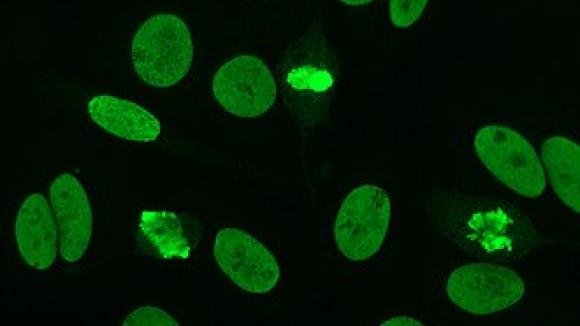
Positive tests results for antinuclear antibodies (ANAs) are frequently referred to rheumatology despite their poor predictive value, even in individuals who are ‘At Risk’ for autoimmune connective tissue diseases (AI-CTDs).
Based on clinical trial data, patients starting tumour necrosis factor-alpha inhibitors (TNFi) have roughly a two-thirds chance of achieiving a good clinical response. French investigators have studied a series of potential biomarkers and surmised that the combination of baseline prealbumin, platelet factor 4 and S100A12 can predict a 78% response to TNFi in rheumatoid arthritis (RA) patients.
Dr. Jack Cush reviews the news and journal articles from the past week on RheumNow.com. Fateful outcomes in Rheumatology, what happens to Seronegatives, IL-23 fails, MRI progression, Not all inflammatory back pain becomes SpA: