Sjögren's disease is a chronic autoimmune condition without a clear effective therapy - DMARD or biologic. The TWINSS study has demonstrated the safety and efficacy of iscalimab, a monoclonal antibody against CD40, in a phase 2 randomized clinical trial of active Sjögren's disease (SD).
All News
Sjögren disease (SD) is the most common of all autoimmune disease, yet little is know of its etiology and there are insufficient interventions for those affected with mucosal or systemic manifestations. The British Society of Rheumatology has updated its 2017 guidelines, with wider evidence and recommendations for the management of children and adolescents with SD. This article reviews the data and recommendations stemming from 19 questions on SD care.
With better endpoint and patient selection strategy over the last 4 years, many new therapies have met their endpoints/shown promising signal in the Phase 2 randomised controlled trials in Sjogren's disease (iscalimab, ianalumab, dazodalibep, and sequential therapy belimumab + rituximab). Since many previous studies have shown the discordance between physician assessment and patient’s symptom burden, there is a glimmer of hope with the efficacy signals demonstrated by both iscalimab and dazodalibep in two patient cohorts; a) cohort 1 = high disease activity with variable symptom burden and b) cohort 2 = high symptom burden but low disease activity. EULAR 2024 offered additional updates.

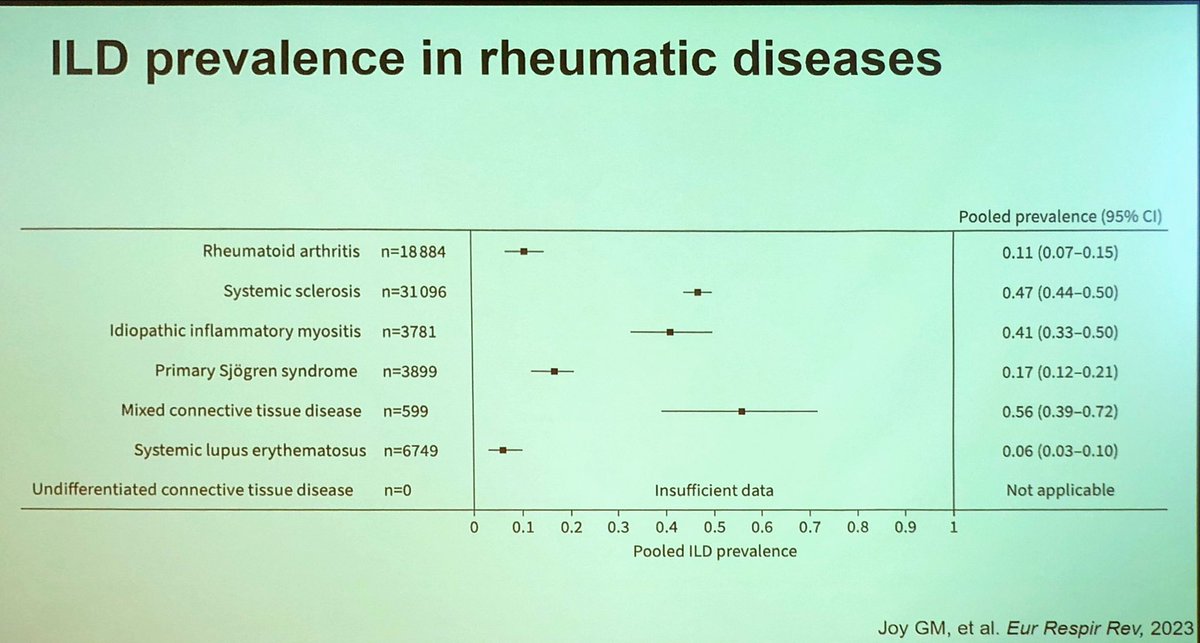
Dr. Jack Cush reviews regulatory reports, news and novel journal articles - this week focusing on Sjogren's, ILD, Gout and Uveitis.