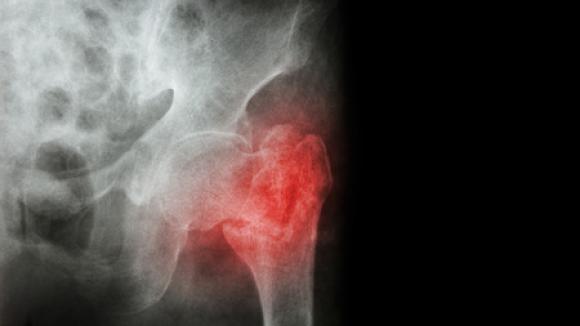
The American Society for Bone and Mineral Research has developed multistakeholder consensus clinical recommendations for the prevention of secondary fractures for those aged 65 years and older after an initial hip or vertebral fracture.

All News
The NEJM reports on a randomized comparison of hemiarthroplasty and total hip arthroplasty in displaced femoral neck fractures and shows no difference in function and quality of life over 24 months.
Dr. Jack Cush reviews the news and journal articles from the past week on RheumNow.com.
Pregnancy for patients with lupus has long been considered high risk and associated with both medical and obstetric complications, but outcomes have improved over the last 2 decades and continue to improve.
Dr. Jack Cush reviews the news and journal articles from the past week on RheumNow.com.
JAMA reports on a large Medicare cohort study showing that amongst patients undergoing total joint replacement (TJR), preoperative HbA1c testing was performed in 26% to 43% of patients with diabetes and in only 5% of those without diabetes. Importantly research has shown that an elevated HbA1c level is associated with postoperative complications.
Morbidly obese patients who lost 20 lbs before total knee arthroplasty (TKA) cut their hospital stays by about 1 day, and were 76% less likely to have an extended hospital stay, research showed.
Dr. Jack Cush reports the news and important journal articles from the past week on RheumNow.com.
We have options that are endless – we have 28 biologics in rheumatology; 19 approved for RA in the last 20 years, but 15 of these are me-too copies or biosimilars. We currently have 2 JAK inhibitors and may have 3 or 4 by year end. But what we really need is the right drug, at the right time, in the right patient – but how will we know.
The incidence rate of joint surgery among patients with psoriatic arthritis (PsA) has remained persistently high, double that of the general population, according to a new Danish cohort study.
Lancet has reported on a clinical trial comparing total knee replacement (TKR) and partial knee replacement (PKR) in late-stage isolated medial compartment knee osteoarthritis patients finding that both TKR and PKR are equally effective, PKR should be considered the first, because of lower costs
JAMA reports that there is a trend of increasing mortality from falls in older US adults between 2000 to 2016 and that mortality rates are increased with increasing age.
A small study looked at whether reducing the number of opioid tablets prescribed after knee surgery would reduce postoperative use and if preoperative opioid-use education would reduce it even more
A systematic review of the medical literature shows anterior cruciate ligament (ACL), meniscus or combined ACL and meniscus injury significantly increases the risk of future knee osteoarthritis (OA).
Dr. Jack Cush Reviews the news and journal articles from the past week on RheumNow.com
Medicare and Truven MarketScan administrative data study (2006 through 2015) of rheumatoid arthritis (RA) undergoing arthroplasty found that while that the risks of perioperative infection was similar across biologics, the infection risk with glucocorticoid use, especially at
Dr. Jack Cush reviews the news and journal articles from the past week on RheumNow.com
Dr. Jack Cush reviews the news and journal reports from the past week on RheumNow.com:
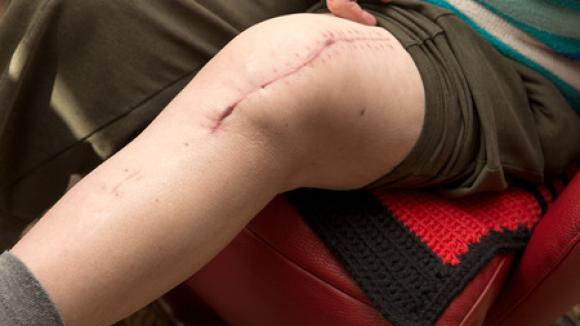
His would-be surgeon tried mightily to talk him out of a bilateral knee replacement. At 340 pounds, the patient's BMI -- above 43 -- was a significant contraindication.
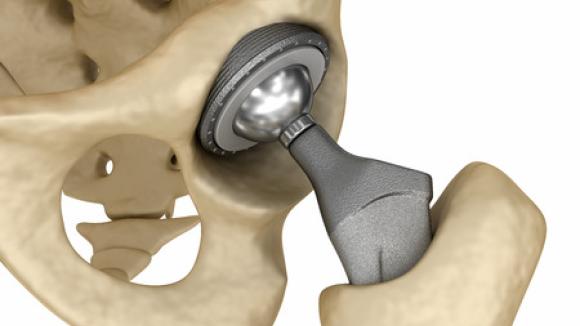
Lancet reports that, based on a literature review and metanalysis, patients and surgeons can expect a hip replacement to last 25 years in around 58% of patients.