Article
From January 1, 2020–May 18, 2020, approximately 1.3 million cases of coronavirus disease 2019 (COVID-19) and 83,000 COVID-19–associated deaths were reported in the United States.

Search for Terms or Answers
From January 1, 2020–May 18, 2020, approximately 1.3 million cases of coronavirus disease 2019 (COVID-19) and 83,000 COVID-19–associated deaths were reported in the United States.

Dr. Jack Cush reviews the news, tweets and journal articles from the past week on RheumNow. Let's dig into this week's 14 highlights.

Hydroxychloroquine (HCQ) helped reduce recurrent maternal autoantibody-mediated congenital heart block (CHB) in fetuses, an open-label study suggested.

Since the onset of the COVID-19 pandemic numerous anti-rheumatic therapies have been proposed as being potentially beneficial. The mechanistic effects of these agents, either presumed antiviral, anti-inflammatory and anti-thrombotic effects, may benefit mitigate the damage seen with COVID-19 infection.
This review will examine the potential benefits and existing evidence for treating suspected or proven COVID-19 infection with antimalarials, inhibitors of interleukin-6 (IL-6) or interleukin-1 (IL-1) Janus kinase (JAK) inhibitors, TNF inhibitors or colchicine. There are many other antirheumatic and immunosuppressive therapies that are in clinical trials that will not be reviewed here including IVIG, rituximab, calcineurin inhibitors (sirolimus, etc.), apremilast, emapalumab (anti-IFN gamma), etc.

Colchicine has been advocated as a potential anti-inflammatory intervention in patients with the coronavirus 2 infection and clinical trials have been developed to assess its effect in early COVID-2 infection. JAMA has published a randomized clinical trial showing that low dose colchicine had less clinical deterioration without significant changes in biomarkers, such as high-sensitivity cardiac troponin and C-reactive protein.

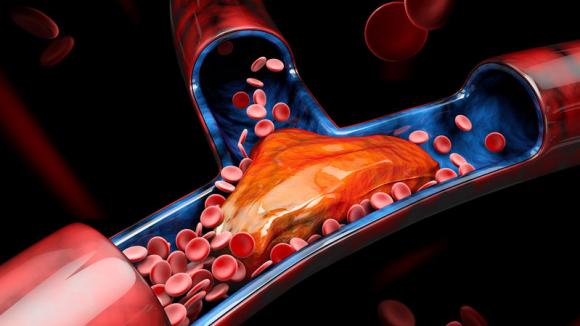
Severe and fatal outcomes with coronavirus infection are often the result of the downstream damage that follows the viral infection. Rising high on the list of complications are the hematologic and vascular complications seen in severely affected patients, so much so that many centers are routinely anticoagulating hospitalized (but not ambulatory) COVID patients.
The VITAL study is a VA registry that has shown that both systemic lupus erythematosus (SLE) and rheumatoid arthritis (RA) patients carry higher odds of both premature and extremely premature atherosclerotic cardiovascular disease and its consequences.

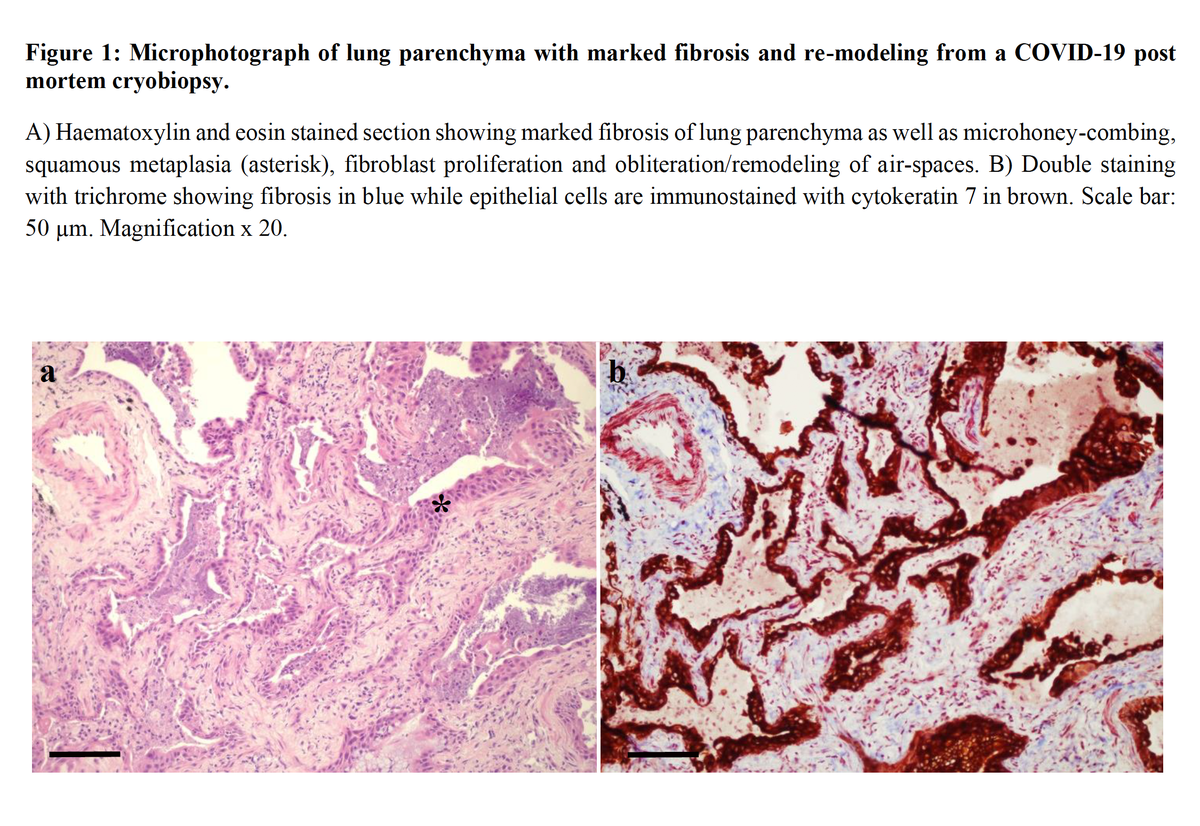
Retrospective cohort of 147 Adult-Onset Stills Dz pts finds 18 (12.3%) with lung dz (LD) at the diagnosis of AOSD. AOSD-LD were older, w/ more myalgia, LN, pleuritis, ab,dominal pain, more systemic Dz, higher ferritin and more mortality (%39 vs 10%). https://t.co/2phEFwi6n2
By downloading this material, I acknowledge that it may be used only for personal use and personal education and that I will accredit RheumNow.com as the source and owner of this material. Commercial use or mass reproduction of this material without permission from RheumNow (info@rheumnow.com) is prohibited.