Two recent reports further characterize the newly described, Kawasaki-like, syndrome affecting children with COVID-19 infections.
The NEJM describes the childhood syndrome as having Kawasaki’s disease, fever, toxic shock syndrome, acute abdominal conditions, and encephalopathy; hence the label Childhood Multisystem Inflammatory Syndrome. The disorder emerged in late April 2020, first in the U.K., and then similar cases were reported from many other countries. The CDC named this multisystem inflammatory syndrome in children (MIS-C).

All News
Colchicine has been advocated as a potential anti-inflammatory intervention in patients with the coronavirus 2 infection and clinical trials have been developed to assess its effect in early COVID-2 infection. JAMA has published a randomized clinical trial showing that low dose colchicine had less clinical deterioration without significant changes in biomarkers, such as high-sensitivity cardiac troponin and C-reactive protein.
Multisystem inflammatory syndrome in children (MIS-C) associated with COVID-19 infection has both similarities and differences with Kawasaki disease, and requires distinct clinical management, according to draft guidance from the American College of Rheumatology (ACR).
The prevalence of atherosclerotic vascular events among patients with systemic lupus erythematosus (SLE) today is considerably lower than in the past, analysis of multicenter data found.
Among patients enrolled in an inception cohort from 1999 to 2017, only 3.6% of patients had an atherosclerotic vascular event, at a rate of 4.6 per 1,000 patient-years, according to Murray B. Urowitz, MD, of the University of Toronto in Canada, and colleagues.
NEJM has reported that the use of hydroxychloroquine did not prevent symptomatic COVID-19 infection when used within 4 days after SARS-CoV-2 exposure.
Currently for persons who are COVID exposed, the standard of care is quarantine and there is no known preventative therapy.
Gianfresco et al have published the first peer-reviewed analysis of COVID-19 infected, rheumatic disease patients entered into the Rheumatology Global Alliance registry; showing that a) rheumatic disease patient can be infected with COVID-19, b) that DMARD and biologic use has no apparent effect on outcomes and c) steroid increase and TNF inhibitor decrease the odds of hospitalization.
Dr. Jack Cush reviews the news and journal articles from the past week on RheumNow.com.
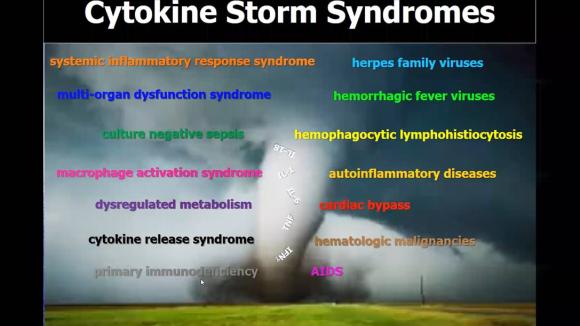
This week's Tuesday Nite Rheumatology featured Dr Randy Cron from the University of Alabama - Birmingham as he spoke and took questions on the immunology, immunopathogenesis and treatment of Cytokine Storm Syndrome, especially as they relate to COVID-19 and rheumatic disease patients. The program was moderated by Dr. Jack Cush.
Hydroxychloroquine (HCQ) has dominated the news in recent weeks, because of poor outcomes reported when used in COVID patients. Yet, a recent report reaffirms what rheumatologists have known for years - that HCQ use is associated with better outcomes in systemic lupus erythematosus, including survival.
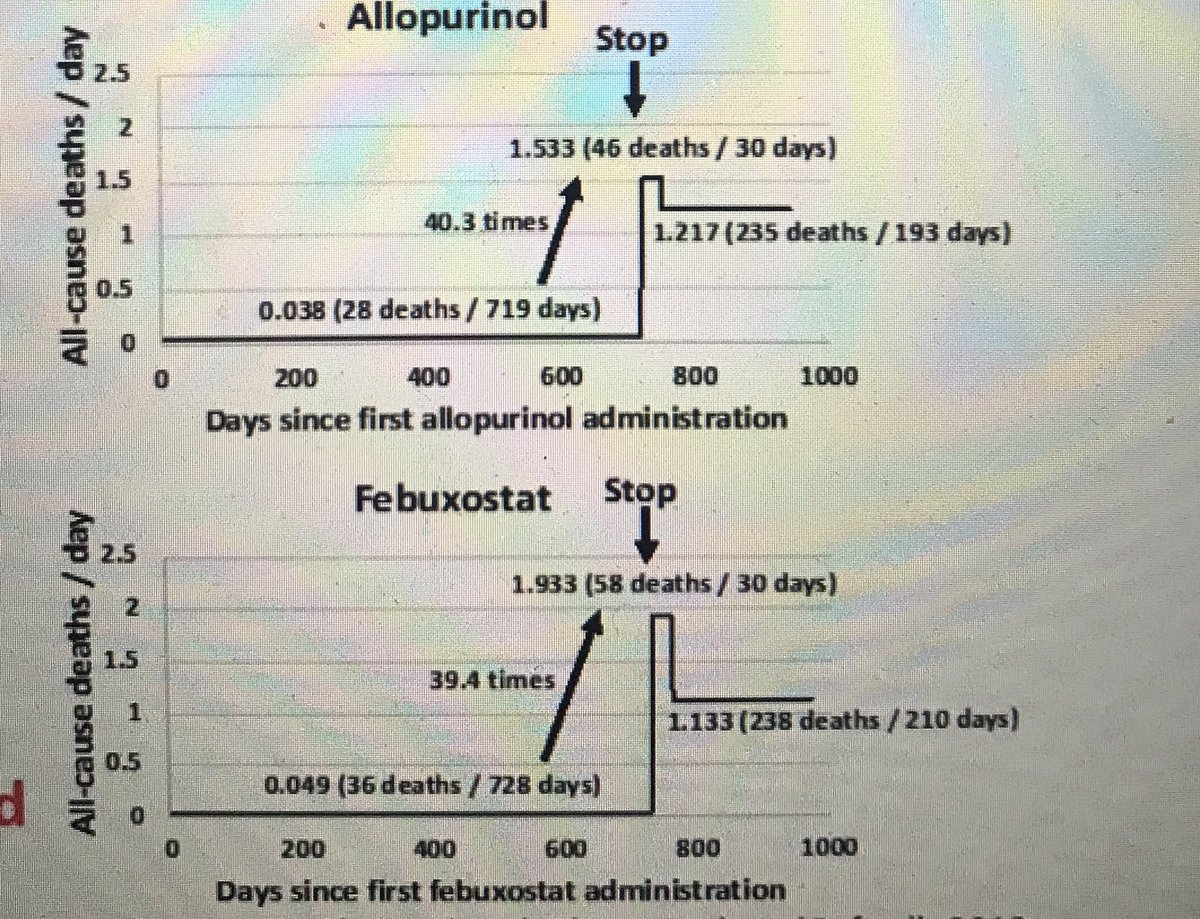
#EULAR2020 ABST#OP0015Plenary session: very low serum urate < 4 mg/dL in men assc w/increased CV mortality; 40,000 pt study. NOTE: this may be driven by poorly controlled diabetes as hyperglycemia has a uricosuric effect; from NHANES database @MassGeneralNews @RheumNow https://t.co/jnhkS436JZ