
Article
Multiple studies have shown that elderly rheumatoid arthritis (RA) patients tend to be under-treated and receive DMARD therapies less often than younger RA patients.

Search for Terms or Answers
Multiple studies have shown that elderly rheumatoid arthritis (RA) patients tend to be under-treated and receive DMARD therapies less often than younger RA patients.

Dr. Jack Cush reviews the news from the past week on RheumNow.com, including news on inappropriate opioids, pre-clinical RA treatment, DMARDs in Gout, the decline of arthroscopy, and a pain in the mouth.

Venous thromboembolism (VTE) is a common adverse event throughout medicine and includes both pulmonary embolism (PE) and deep vein thrombosis (DVT). The cost of diagnosing a thromboembolic event is approximately $4000 - $5550, while the annual cost of treating one case of VTE is betwe

Implementing a treat-to-target approach for the care of rheumatoid arthritis (RA) did not result in an increase in adverse events or resource use, a post-hoc analysis of a randomized trial showed.

A study from the British Society for Rheumatology Biologics Register in Axial Spondyloarthritis (BSRBR-AS) shows that biologic use significantly improves work productivity and overall activity impairment.
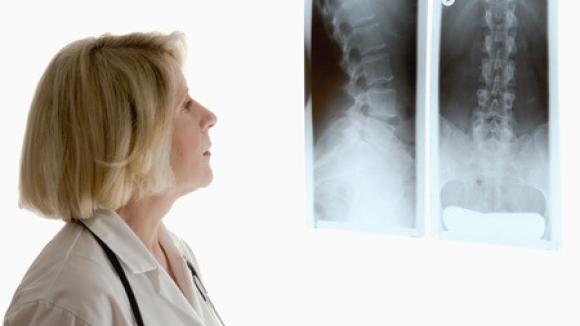
An odd side effect of several new agents is the risk of hyperlipidemia. While this has been seen with tocilizumab (TCZ), there does not appear to be a resultant risk of cardiovascular (CV) events. A study of claims data compared CV risk in rheumatoid arthritis (RA) patients receiving TOC (an IL6 receptor antagonists) and other biologics and found no differences with regard to CV outcomes.

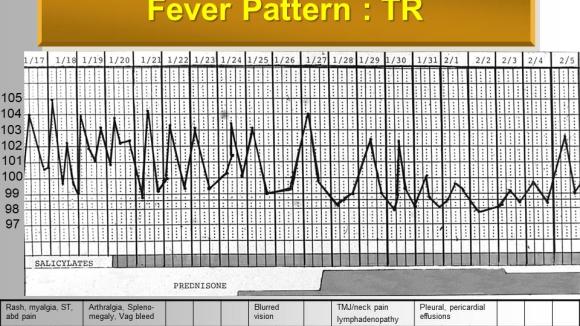
In July 2018, RheumNow launched a “Live Vote” survey of US and non-US rheumatologists that asked how they diagnose and treat systemic juvenile idiopathic arthritis (sJIA), also known as “Still’s disease”. It appears that many prefer to start therapy with an IL-1 inhibitor, after a course of steroids and MTX/DMARD. Yet, these findings suggest there are significant unmet needs in the diagnosis and management of sJIA patients.
The current issue of the CDC's MMWR reviews the new seasonal recommendations for vaccination against influenza. This is an update to the previous recommendations of the Advisory Committee on Immunization Practices (ACIP).

Dr. Jack Cush comments on the last week's news and journal highlights on RheumNow.com.
Yesterday, the American College of Rheumatology (ACR) met with U.S.

Comorbidity is pervasive and complicates medical care in general. It can be a by-product of aging. It may result from drug therapy or an inciting disease process and may be part of the constellation that defines the primary disorder. A growing body of evidence that suggests that comorbidity has a significant dampening effect on drug responsiveness and, adds to poorer outcomes in patients with inflammatory arthritis.

There is a large body of data that shows tumor necrosis factor inhibitors (TNFi) use in rheumatoid arthritis (RA) confers the same risk as that seen in RA - meaning there is no increase over and above that incurred by inflammation and RA itself. There are fewer studies about whether it is s
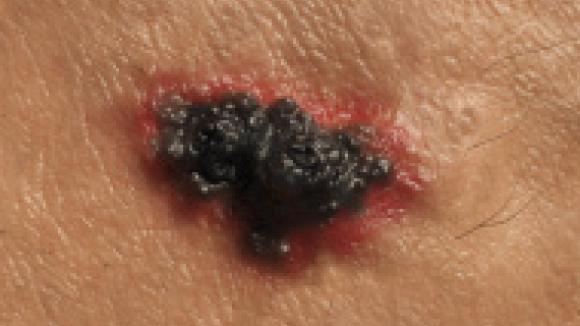
The type of biologic disease-modifying anti-rheumatic drug (DMARD) being used and remission duration were important factors predicting whether remission was maintained among patients with rheumatoid arthritis after cessation of the biologic, a Japanese study found.

A prospective study of psoriasis patients from the British Association of Dermatologists Biologic Interventions Register demonstrated that infliximab therapy yielded 2-3 times more serious infection than seen in those treated with non-biologic DMARDs or methotrexate (MTX).
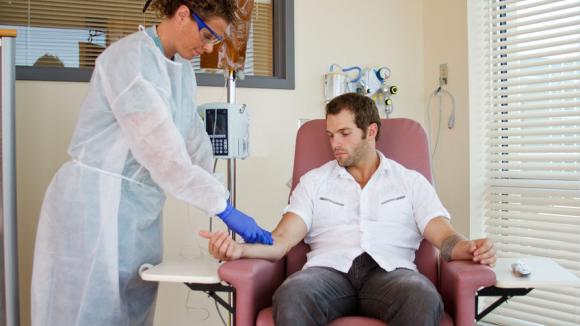
Dr. Jack Cush reviews the news and journal reports from the past week on RheumNow.com.

A consensus panel was convened to develop consensus-based clinical and therapeutic recommendations for the use of methotrexate (MTX) in the management of Juvenile Idiopathic Arthritis (JIA) patients.

Based on clinical trial data, patients starting tumour necrosis factor-alpha inhibitors (TNFi) have roughly a two-thirds chance of achieiving a good clinical response. French investigators have studied a series of potential biomarkers and surmised that the combination of baseline prealbumin, platelet factor 4 and S100A12 can predict a 78% response to TNFi in rheumatoid arthritis (RA) patients.
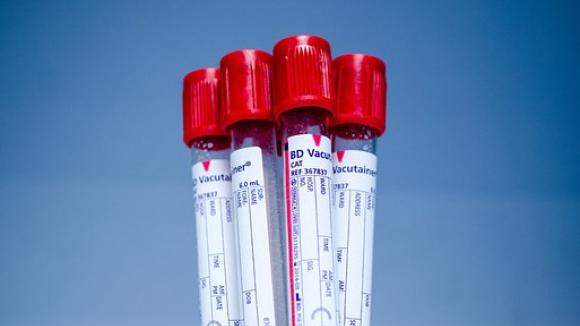
A study from the British Society for Rheumatology Biologics Register (BSRBR) has shown that biologic refractory disease is seen in at least 6% of patients who have ever received a biologic DMARD (bDMARDs).
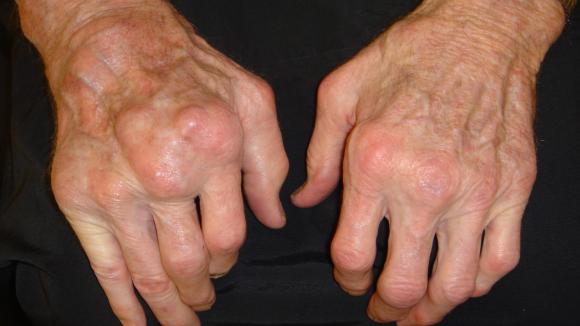
A study of the IL-23 risankizumab in active ankylosing spondylitis (AS) patients failed to show efficacy and did not meet primary efficacy endpoints in a 6-month trial.
Dr. Jack Cush reviews selected news and journal reports from the past week on RheumNow.com.

By downloading this material, I acknowledge that it may be used only for personal use and personal education and that I will accredit RheumNow.com as the source and owner of this material. Commercial use or mass reproduction of this material without permission from RheumNow (info@rheumnow.com) is prohibited.

