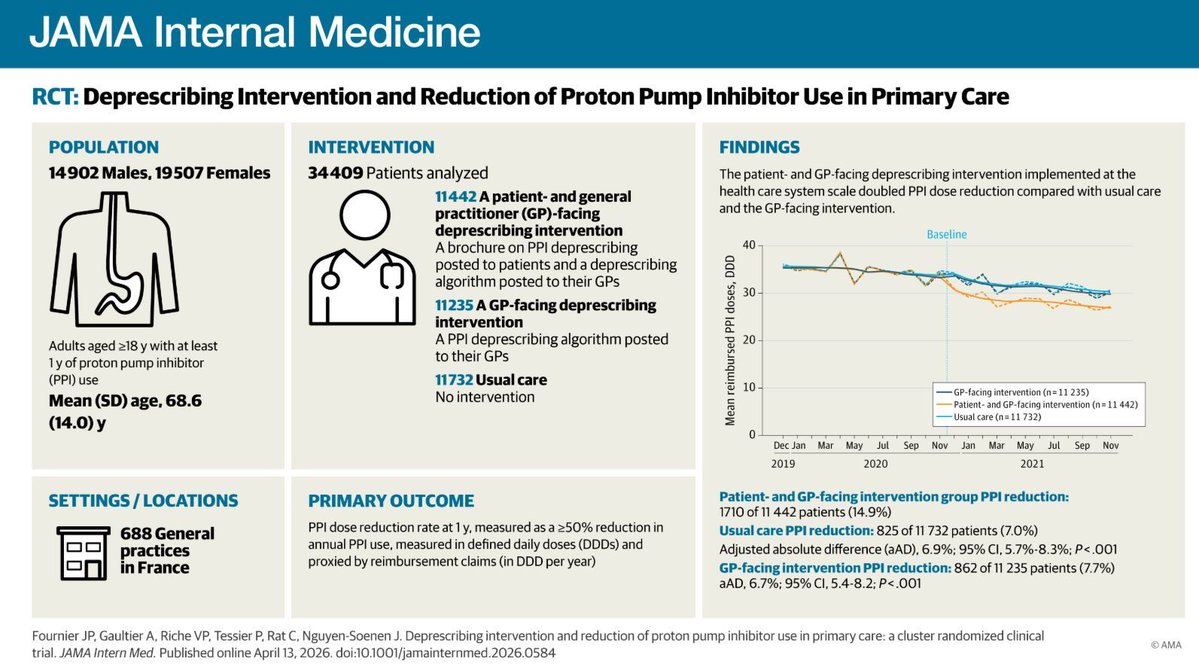
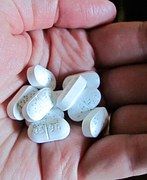
A retrospective target trial emulations has shown that low-dose aspirin (ASA) given with a giant cell arteritis (GCA) diagnosis is associated with a lower risk of major adverse cardiovascular events (MACE), but a higher risk of GI bleeding.
All News
Weight-loss drugs may affect joints directly
A new study from Aarhus University shows that the hormone GLP-1, which is mimicked in medication for diabetes and weight loss, is present in joint fluid. In the long term, this may open up new treatments for arthritis.
Dr. Jack Cush reviews the news and journal articles from this past week on RheumNow.com.
The American College of Rheumatology (ACR) today thanked lawmakers in the U.S. House of Representatives for introducing the bipartisan Provider Reimbursement Stability Act of 2025 (H.R. 8163), legislation designed to stabilize Medicare payments for physicians and protect patient access to care.
An NEJM study has shown that glucocorticoids provide no added benefit when added to standard primary treatment in Kawasaki disease patients.
Arthritis Research & Therapy has published an overarching review of Still's disease - claiming it to be a single acquired and complex autoinflammatory disease in which both pediatric and adult forms share core pathogenic mechanisms, genetic associations and clinical presentations, with minor differences between children and adults who are afflicted.
A 2026 Physician Survey to assess artificial intelligence and its use in Medical Practice has been published and follows earlier surveys around adoption and use. This is the third in a series of longitudinal surveys (prior waves 2023, 2024), enabling meaningful trend analysis. AI adoption has more than doubled in three years and physician sentiment shifting decisively toward cautious optimism.
Biogen has announced positive results of their Phase 2 study, evaluating litifilimab in patients with active cutaneous lupus erythematosus (CLE), presented at the recent American Academy of Dermatology (AAD) Annual Meeting.
Documenting a patient visit in the electronic health record (EHR) is essential to healthcare delivery, but also a major contributor to clinician burnout.