
Article
Subacromial pain iacounts for up to 70% of shoulder pain. Patients may be diagnosed with subacromial pain syndrome (SAPS), shoulder impingement, or rotator cuff disease and often end up in surgery.

Search for Terms or Answers
Subacromial pain iacounts for up to 70% of shoulder pain. Patients may be diagnosed with subacromial pain syndrome (SAPS), shoulder impingement, or rotator cuff disease and often end up in surgery.

Dr. Jack Cush reviews new journal articles, news reports, and more from the past week on RheumNow.com.

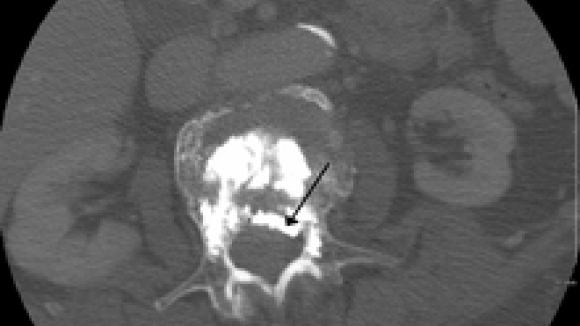
There are approximately 750,000 new vertebral compression fractures each year in the United States, with resultant acute and chronic back pain in over one‐third of patients with vertebral fractures (VF). Both percutaneous vertebroplasty or balloon kyphoplasty have been advocated as useful m
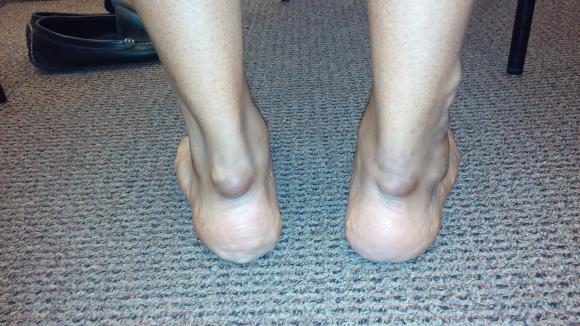
Approximately 90% of patients with rheumatoid arthritis (RA) have foot problems.
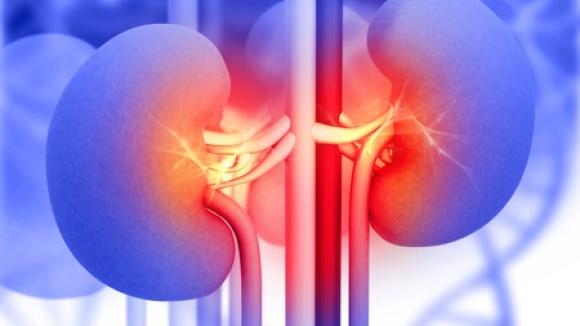
The Annals of Internal Medicine has published a cohort study of lupus nephritis patients with end-stage renal disease showing that renal transplantation is associated with improved survival benefit, and a reduction in death from cardiovascular disease and infection.
Lancet has published a comparative effectiveness study examining the the value of night splints (conservative treatment) vs local injection for patients with carpal tunnel syndrome.

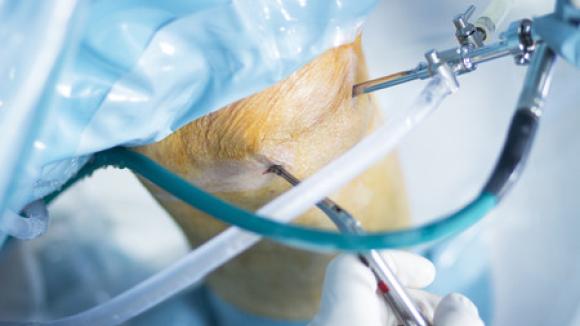
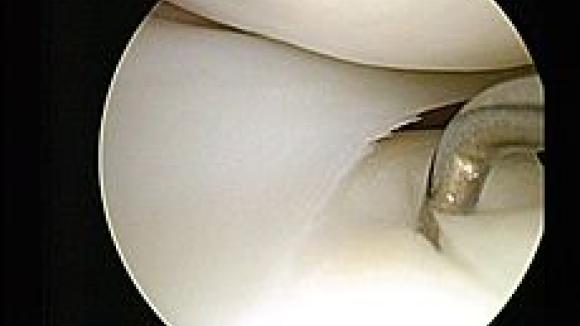
Lancet reports on the safety of over 1 million arthroscopic partial meniscectomies done in the United Kingdom and found a low overall risk in the first 90 days.
They examined Hospital Episode Statistics on 1,088,782 arthroscopic partial meniscectomies (1997-2017); 699 965 of which were eligible for analysis. They sought to identify complications occurring in the 90 days after the index procedure.
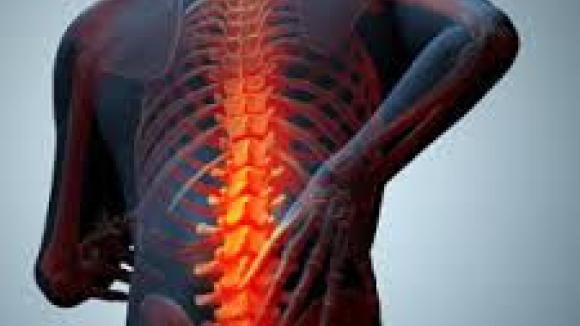
JAMA reports on a randomized clinical trial of 202 adults with acute low back pain showing the addition of intensive patient education failed to improve pain outcomes.
Reuters reports that patients with hip or knee replacements will now be followed for progress using their Apple watches.
Several new trials suggest that conservative management may be as efficacious as arthroscopic surgery in patients with meniscal tears, thus contributing to the trend of fewer arthroscopic surgeries. A new trial of patients with nonobstructive meniscal tears shows no significant difference in 2 year outcomes between physical therapy and early arthroscopic partial meniscectomy.
Dr. Jack Cush reviews the news from the past week on RheumNow.com, including news on inappropriate opioids, pre-clinical RA treatment, DMARDs in Gout, the decline of arthroscopy, and a pain in the mouth.

A JAMA Internal Medicine report has shown that the rate of arthroscopic surgery has significantly declined, in an era when arthroplasty and the incidence of osteoarthritis (OA) has increased.
Dr. Jack Cush reviews the news and latest journal articles from the past week on RheumNow.com. Info on Surgery and Hip Fractures, Gout drugs abandoned, Allopurinol escalation, hydroxychloroquine drug levels, how to treat scleroderma in India and exactly who gets back pain.

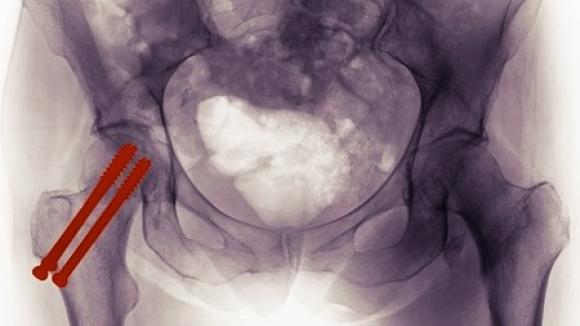
CMAJ reports that seniors are more likely to survive a hip fracture if the surgery is done as soon as they’re admitted to the hospital - suggesting hospitals should expedite operating room access for patients whose surgery has already been delayed for nonmedical reasons.
JAMA Surgery reports that arthroscopic partial meniscectomy (APM) is still one of the most common surgeries performed, despite evidence from large trials (eg, FIDELITY study) showing that APM is no more effective than exercise and physical therapy, especially in adults over age 65 years.
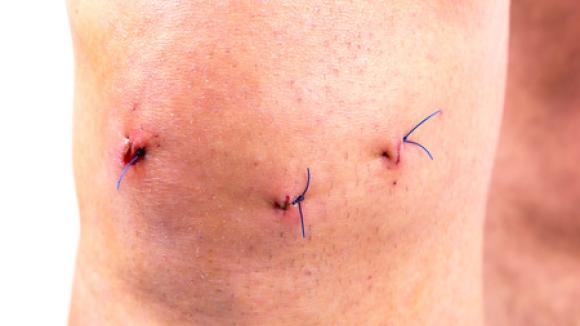
Dr. Jack Cush reviews the news and highlights from the past week on RheumNow.com.
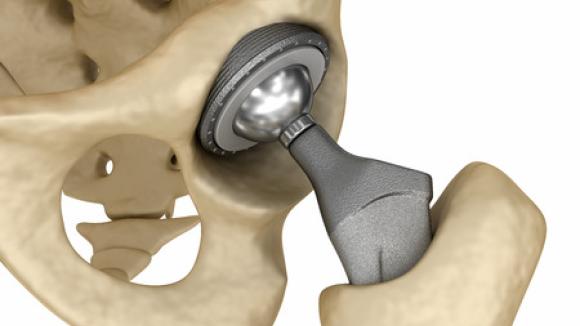
Data from Swedish hip replacement registry finds that total hip arthroplasty not only improves quality of life, it is also associated with increased life expectancy that lasts for 10 years after surgery, especially in primary osteoarthritis patients.
Dr Jack Cush reviews highlights from the past week on RheumNow.com. This week’s video is in two parts; for part Ii, go to https://buff.ly/2BM9MjL

Many protocols call for anticoagulation after total hip or total knee arthroplasty to prevent venous thromboembolism (proximal deep-vein thrombosis or pulmonary embolism), and some reports have suggested a role for aspiring or direct oral anticoagulants as preventative therapy. The NEJM has reported that oral anticoagulation with rivaroxaban (Xarelto) followed by aspirin to be effective prophylaxis.
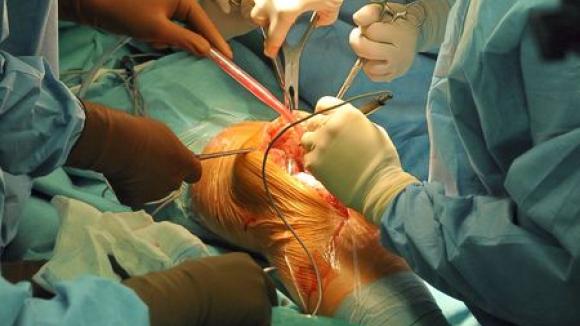
JAMA reports the results of a 5 year Finnish study comparing the results of laparoscopic sleeve gastrectomy vs Roux-en-Y gastric bypass and shows that gastric bypass yielded greater weight loss at 5 years, the difference was not statistically significant, in patients with morbid obesity.
By downloading this material, I acknowledge that it may be used only for personal use and personal education and that I will accredit RheumNow.com as the source and owner of this material. Commercial use or mass reproduction of this material without permission from RheumNow (info@rheumnow.com) is prohibited.

