Gout coassociates with many of the disorders within the metabolic syndrome - diabetes, hypertension, hyperlipidemia and obesity. Not surprisingly, gout is a risk factor for cardiovascular disease, but the risk magnitude for myocardial infarction (MI), and stroke are unclear.

All News
The RheumNow Week in Review discusses the past week's news, journal articles and highlights from RheumNow.com. This week's report discusses regulatory actions by NICE and FDA, higher death rates in RA and psoriasis, increased risk of RA with Asthma, rising numbers for OA, RA, and STDs.
A report in the Journal of the American Academy of Dermatology shows that psoriasis duration and inflammation may result in cardiovascular inflammation and an increased risk of major adverse CV events.
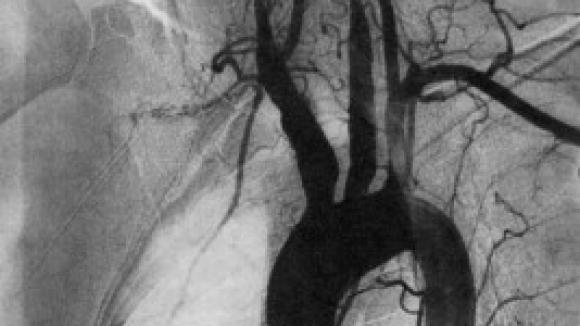
A French retrospective study of 318 Takayasu's arteritis (TA) patients shows that 50% of patients will relapse and experience a vascular complication ≤10 years from diagnosis.
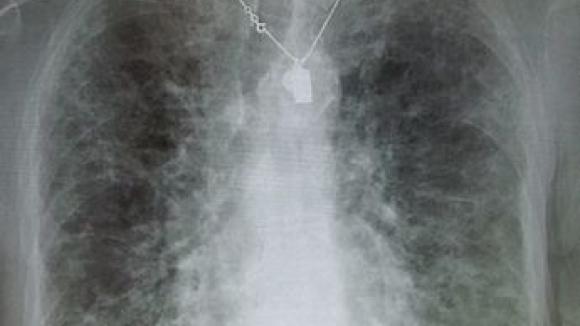
Annals of Rheumatic Disease has published a Danish population based study demonstrating the high mortality rates seen with interstitial lung disease (ILD).
Infections and noninfectious pulmonary disease were associated with an increased risk for idiopathic inflammatory myopathies (IIM), a Swedish study found.
A large multi-center study of cardiovascular (CV) risk factors in rheumatoid arthritis (RA) has shown, after nearly 6 years follow-up, more CV events in males than females (21% vs. 11%, respectively) and that RA itself accounts for 30% of the attributable CV risk.
Noe and colleagues have reported in the Journal of Investigative Dermatology that by estimating the extent of skin involvement in psoriasis (%BSA) they may assess future mortality risk.
The CANTOS trial has shown that interleukin 1β inhibition by Canakinumab (CAN) resulted not only in a reduction of cardiovascular deaths but also significantly decreased the incidence and death from lung cancer.
The results of a randomized, double-blind trial have shown that canakinumab (CAN), an interleukin-1β inhibitor, given as 150 mg every 3 months, resulted in a significantly lower rate of recurrent cardiovascular events (in high-risk CV patients), independent of lipid-level lowering. The results of the CANTOS studywere simultaneously published in NEJM, Lancet and were presented at the European Society of Cardiology meeting in Barcelona.
Studies have shown that rheumatoid arthritis (RA) patients have increased risk of acute coronary syndrome (ACS) and may suffer from poorer short-term outcomes after ACS. The long-term outcomes in patients with RA with ACS was shown to be worse than matched non-RA patients also with ACS.
A population-based cohort study shows that comorbidities in psoriatic arthritis patients (PsA) were associated with higher disease activity, shorter persistence and reduced clinical response to TNF inhibitors (TNFi).
Dr. Jack Cush reviews new FDA decisions on sirukumab and tofacitinib as well as other news items from the past week on RheumNow.com.
On Wednesday, August 2, the FDA convened the Arthritis Advisory Committee (AAC) to evaluate the safety and efficacy of Janssen’s anti-IL-6 monoclonal antibody, sirukumab.
Comorbidity is a serious consequence or confounder in patients with inflammatory diseases. This has been well described in both psoriatic and rheumatoid disease.
Dr. Jack Cush reviews the news and articles from the past week on RheumNow.com:
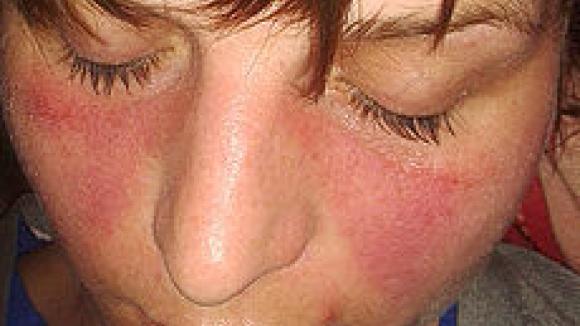
Systemic lupus erythematosus (SLE) poses numerous vascular risks, many of which are thought to be autoantibody mediated.
It does not come as a surprise to anyone anymore that Acute Coronary Syndrome (ACS) is one of the major causes of morbidity and preterm mortality in RA. What we don’t know is what measures need to be taken to modify the risk and how effective such measures are.
Systemic lupus erythematosus (SLE) is associated with an increased risk of cardiovascular disease (CVD). The cardioprotective benefits of aspirin (ASA) are well known and the ancillary CV and diabetogenic effects of hydroxychloroquine (HCQ) have also been shown.
Systemic inflammation (from underling inflammatory polyarthritis) clearly accelerates atherosclerosis with a resultant increase risk of cardiovascular disease.