This is a reposting of an earlier report on RheumNow that includes additional commentary from Dr. Sunada Kane, a gastroenterologist at the Mayo Clinic who specializes in both inflammatory bowel disease (IBD) and pregnancy.

All News
Comparative efficacy trials may be the best way to make informed treatment choices in a sea of treatment options for rheumatoid arthritis (RA). Recent years have seen impressive head-to-head (H2H) clinical trials for RA, including AMPLE (abatacept vs.
See the highlights from the past week that appeared on RheumNow.com, and watch Dr. Jack Cush as he reviews each of them.
The use of tumour necrosis factor α inhibitors (TNFis) at the time of major surgery has been a challenge for surgeons, rheumatologists and those wishing to develop evidence-based guidelines for this clinical scenario.
The ACR is inviting members and rheumatologists to comment on their proposal to develop recommendations for the "Perioperative Management of Rheumatic Disease Medications in Total Joint Arthroplasty of the Hip and Knee".
As the number of biosimilars in development keeps on growing, reaching nearly 700 products to date, demand for data from randomized controlled trials (RCTs) and an understanding of these new biologics is peaking the interest of many.
Highlights from this week on RheumNow:
Clinicians often face the issue of using a TNF inhibitor (TNFi) in patients with heart failure or cardiac disease. Here are the facts and data necessary to make a cogent decision to use or avoid TNFi.
A recent review compared elderly-onset rheumatoid arthritis (EORA) to those with younger-onset rheumatoid arthritis (YORA) to assess treatment responses and safety issues with biologics and DMARDS. EORA is generally defined as the onset of rheumatoid arthritis after age 60 years.
The risk of a flare increased by more than three-fold over 1 year when patients with longstanding rheumatoid arthritis (RA) in remission, or with stable low disease activity, stopped their anti-tumor necrosis factor (TNF) treatment, Dutch researchers reported.
The Rheumatology Winter Clinical Symposia launched its 9th annual conference yesterday in Maui. Highlights of this meeting will be covered by RheumNow from Wednesday 2/10 till Saturday 2/13.
Rheumatoid Arthritis Year in Review
The mantra of rheumatologists worldwide is to treat rheumatoid arthritis (RA) earlier and more aggressively. While referral of early RA patients has improved, there is little data demonstrating that more aggressive treatment works or is cost effective.
On Tuesday February 9th Celltrion presented its biosimilar developmental data to the FDA as they sought approval for their CT-P13 (called Inflectra), a biosimilar of infliximab (Remicade).
The arthritis advisory committee of the Food and Drug Administration (FDA) is scheduled to meet today, February 9th to review the efficacy and safety of Celltrion's biosimilar form of infliximab (Remicade) that is currently marketed in other countries.
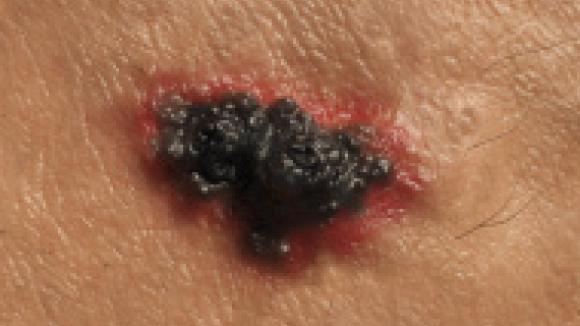
Rheumatoid arthritis (RA) patients are said to have a neutral risk for neoplasia, but this is because they have a lower risk of colon cancer and breast cancer but a higher risk of lung cancer, lymphoma and skin cancers.
A population-based study of 1,272,424 live-born infants from Denmark and Sweden examined the prevalence of birth defects among infants born to 683 women with chronic inflammatory disease (inflammatory bowel disease, rheumatoid arthritis, ankylosing spondylitis, psoriatic arthritis, or psoriasis)
In 2010, Smolen and a group of international rheumatologists developed a series of recommendations addressing the concept of treat-to-target (T2T) in the management of rheumatoid arthritis (RA).
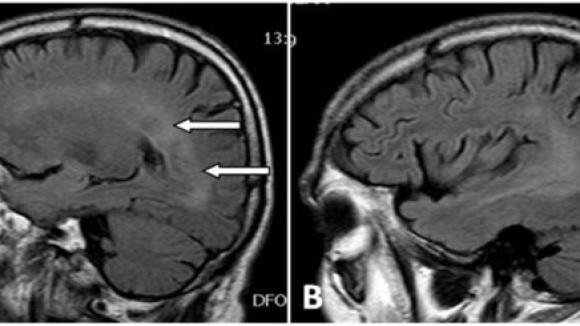
Researchers from the DANBIO registry have linked their registry of 30,033 arthritis patients with the Danish Multiple Sclerosis Registry (DMSR) to identify all new multiple sclerosis cases occuring in arthritis patients and those receiving TNF inhibitors (TNFi).
Biosimilars are the fastest developing product line within the pharmaceutical industry. There is unanimous worldwide interest in the continued use of biologics for immune mediated disorders.