
Article
EULAR has published the 2022 update on recommendations for the management of antineutrophil cytoplasmic antibody (ANCA)-associated vasculitis (AAV).

Search for Terms or Answers
EULAR has published the 2022 update on recommendations for the management of antineutrophil cytoplasmic antibody (ANCA)-associated vasculitis (AAV).

Psoriatic arthritis (PsA) is plagued by obesity, depression and increased comorbidities; now it appears that polypharmacy adds to the burden of managing PsA.

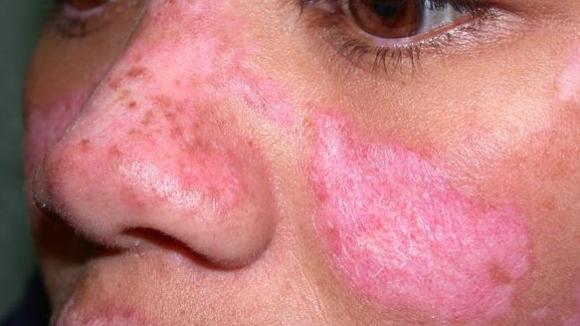
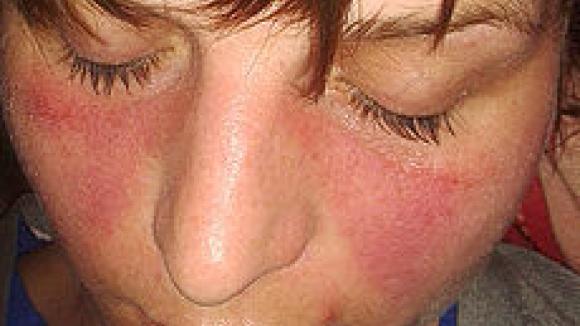
A research report in JAMA Dermatology describes the use of the type 1 interferon receptor inhibitor anifrolumab in patients with chronic discoid lupus erythematosus (DLE).
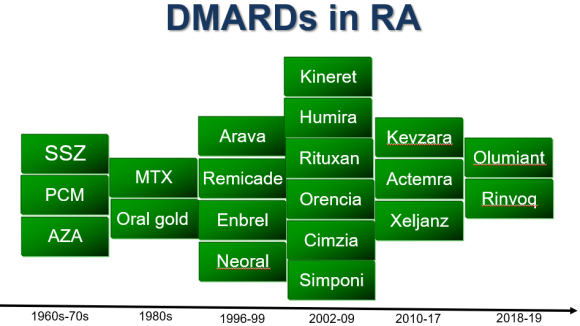
An international task force of 13 European experts have developed evidence-based points to consider regarding the cost-effective use of biological and targeted synthetic disease-modifying antirheumatic drugs (b/tsDMARDs) in the treatment of inflammatory rheumatic diseases (including rheumatoid arthritis, psoriatic arthritis and axial spondyloarthritis).
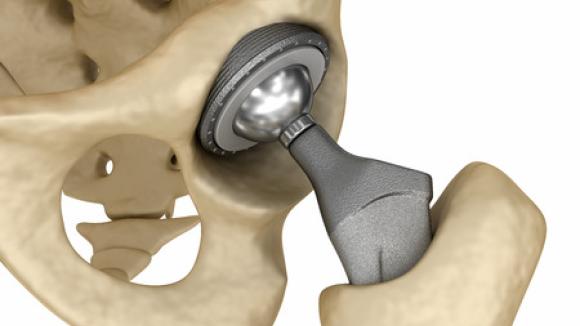
The American College of Rheumatology (ACR) and the American Association of Hip and Knee Surgeons (AAHKS) released a summary of its new guideline titled “The Optimal Timing of Elective Hip or Knee Arthroplasty for Patients with Symptomatic Moderate to Severe Osteoarthritis or Osteonecrosis Who Have Failed Nonoperative Therapy.”
A prospective, pragmatic, open-label, randomized trial conducted by the UK National Health Service, studied interventions in patients with carpal tunnel syndrome (CTS) and found no advantage to either CTS corticosteroid injection (CSI) or night splinting (NS) as the initial treatment of CTS.

Intensity of distance running had no bearing on the prevalence of hip and knee osteoarthritis among participants in recent editions of the Chicago Marathon, researchers reported here.

Dr. Jack Cush Reviews the News and Journal articles from the past week on RheumNow. This weeks highlights includes insights on scleroderma, myositis, vasculitis and answers the question - does aggressive biologic treatment of psoriasis prevent future psoriatic arthritis?

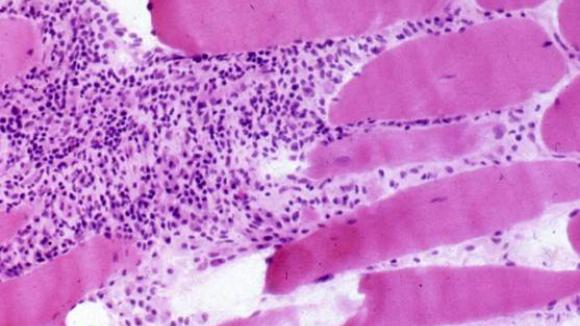
A single center cohort study analyzed the outcome and survival of idiopathic inflammatory myositis (IIM) patients and showed good 5 and 10 year survival but showed significant declined 15-25 years post-diagnosis.
A multinational study of rheumatoid arthritis (RA) patients shows a variety of post-translationally modified anti-modified protein antibodies (AMPA). While AMPA differed in different ethnic populations, their levels correlated with total serum IgG.
A Medicare study shows that young adults with systemic lupus erythematosus (SLE) exhibit very high 30-day rehospitalization rates (36%) that are significantly higher than older SLE patients and age matched non-SLE patients.

Alopecia areata totalis (AT) and universalis (AU) are the most severe and difficult to treat forms of alopecia areata (AA).
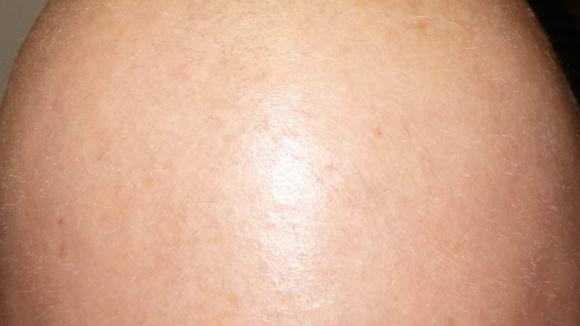
Retrospective claims analysis shows that psoriasis patients treated with either an IL-12/23 inhibitor or an IL-23 inhibitor had a lower risk of developing incident psoriatic arthritis, compared to TNF inhibitors or IL-17 inhibitors.

A small cohort trial of rituximab (RTX) in 29 systemic sclerosis patients showed significantly improved skin sclerosis and lung function after a follow-up of 96 weeks.
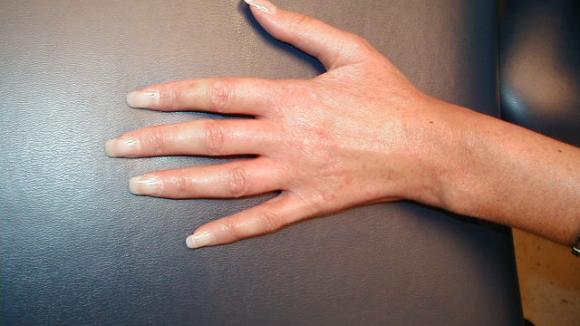
Bearing in mind that renal impairment is among the worst complications of ANCA-associated vasculitis (AAV), researchers have identified four different trajectories of kidney function over time in AAV patients, with implications for personalized treatment, as well as future research.
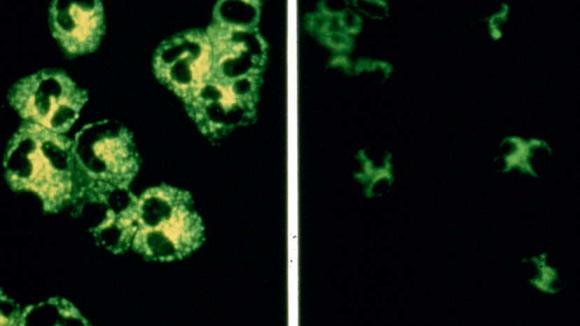
Dr. Jack Cush reviews the lastest journal articles, news, and FDA announcements from the past week on RheumNow. This week, the importance of IFNa, Subclinical PsA and NSAID safety during Pregnancy.
A novel trial has shown that combination biologic therapy (guselkumab plus golimumab) to be more effective in ulcerative colitis than either biologic alone.

Yesterday, the U.S. Food and Drug Administration (FDA) approved sarilumab (Kevzara) for the treatment of adults with active, refractory polymyalgia rheumatica (PMR), stipulating it is indicated in those patients who have had an inadequate response to corticosteroids or who cannot tolerate corticosteroid taper.

The Annals of Rheumatic Disease has published updated multinational, treat-to-target (T2T) recommendations for the treatment of giant cell arteritis (GCA) and polymyalgia rheumatica (PMR).

Despite the encouraging phase II trial results of baricitinib in systemic lupus erythematosus (SLE) patients, two parallel phase III trials have failed to redemonstrate the efficacy of baricitinib in active SLE, thereby halting development of baricitinib in SLE.
By downloading this material, I acknowledge that it may be used only for personal use and personal education and that I will accredit RheumNow.com as the source and owner of this material. Commercial use or mass reproduction of this material without permission from RheumNow (info@rheumnow.com) is prohibited.

