
Article
EULAR has published the 2023 updated recommendations for the optimal non-pharmacological management of hip and knee osteoarthritis (OA).

Search for Terms or Answers
EULAR has published the 2023 updated recommendations for the optimal non-pharmacological management of hip and knee osteoarthritis (OA).
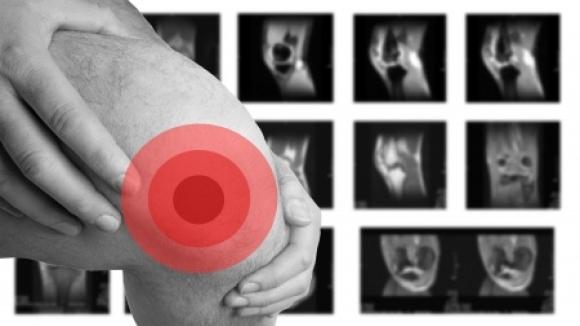
A study published in Nature suggests that therapies affecting sodium channels could be employed to treat osteoarthritis.
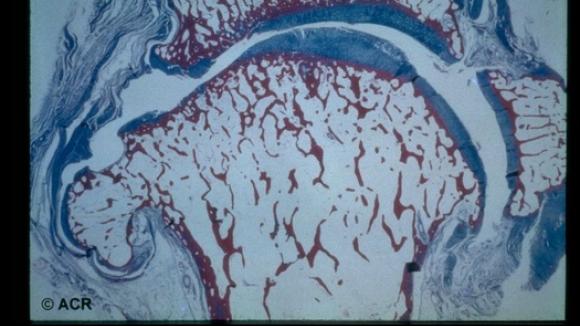
A group of researchers lead by Min Ae Lee-Kirsch from the Department of Pediatrics, Medical Faculty, TUD Dresden University of Technology (Germany), studied four patients from two families who developed symptoms of SLE in the first years of life.

Dr. Jack Cush reviews highlights, advances and hot topics in rheumatology from 2023 and the RheumNow website.
2023 was a year of growth and new horizons while returning to operational and practice standards (in care and education) established before the pandemic.

A JAMA Dermatology systematic review of drug-induced dermatomyositis (DM) found the most commonly implicated agents include hydroxyurea, immune checkpoint inhibitors, statins and lipid-lowering agents, penicillamine, and tumor necrosis factor inhibitors.
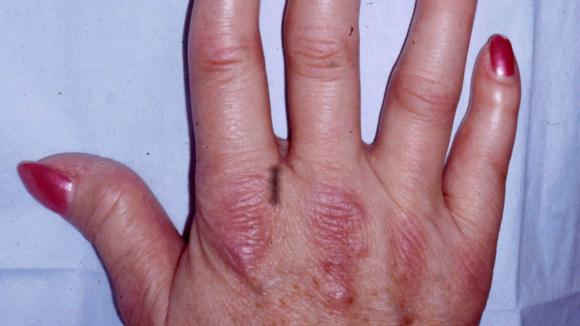
Here is my top 10 list (in no particular order) of 2023 advances, game-changers, and developments that changed, or will soon change, rheumatologic practices.
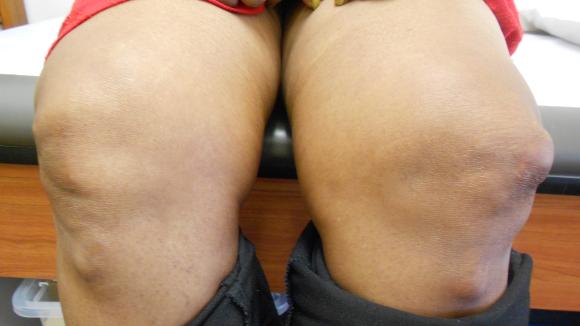
Black, Asian, and Hispanic members of the U.S. Armed Forces were far less likely than their white comrades to undergo knee replacement surgeries after being diagnosed with osteoarthritis (OA), military researchers found.
Last Friday, the Food and Drug Administration (FDA) approved Florida’s plan to import certain prescription drugs directly from Canada. Florida is the first time a state to undertake this pathway to save money.

Dr. Jack Cush imparts his new New Year's Resolutions for 2024 and also reviews the news and journal reports from the past week on RheumNow.com.

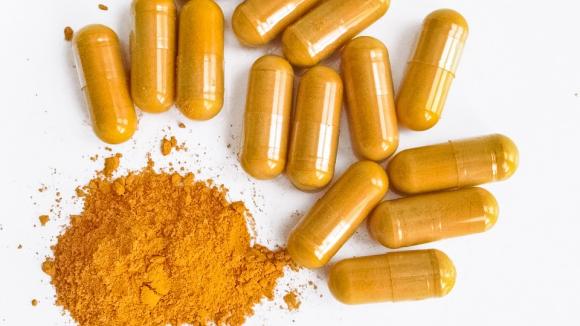
Curcumin is widely used in traditional Chinese medicine to treat arthritis and is presumed to have analgesic and antiinflammatory effects that may benefit those with osteoarthritis, particularly knee osteoarthritis (KOA).
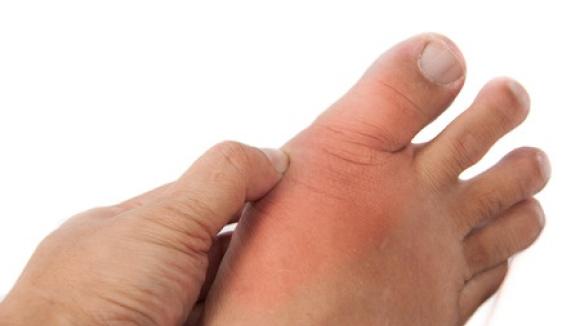
A clinical trial has shown that obese gout patients will benefit from diet and lowered body weight, but weight loss was not associated with beneficial effects on serum urica acid (SUA), fatigue or pain.
Retrospective claims analysis shows that psoriasis patients treated with either an IL-12/23 inhibitor or an IL-23 inhibitor had a lower risk of developing incident psoriatic arthritis, compared to TNF inhibitors or IL-17 inhibitors.



By downloading this material, I acknowledge that it may be used only for personal use and personal education and that I will accredit RheumNow.com as the source and owner of this material. Commercial use or mass reproduction of this material without permission from RheumNow (info@rheumnow.com) is prohibited.


