
Article
Know-it-now

Search for Terms or Answers
Know-it-now
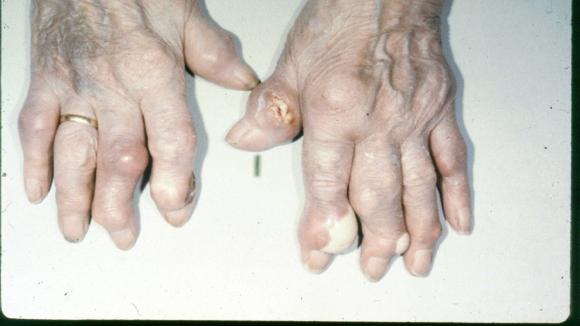
Dactylitis, AKA the "sausage digit", is a hallmark of psoriatic arthritis (PsA), but as Possemato and colleagues point out, it is fundamentally a clinical sign, and not a diagnosis. This review article discusses the wider implications of dactylitis in rheumatology and medicine underscores the diagnostic and prognostic significance of this manifestation.
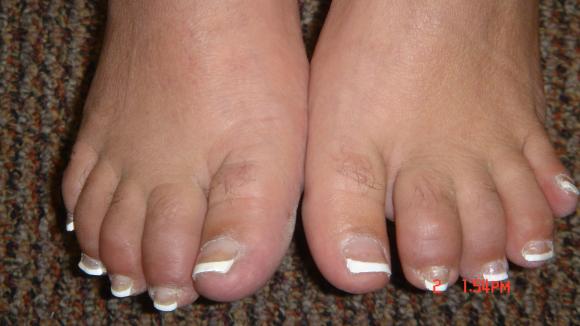
Dr. Jack Cush reviews the news, journal reports from the past week on RheumNow.com.

Fibromyalgia (FM) affects 4–6% of the U.S. population, with nearly a 2 fold female predominance. Nociplastic pain underlies the pathophysiology of FM. CNS hypersensitization to both painful and non-painful stimuli occurs with little or no tissue pathology. Framing FM as a disorder of CNS processing is critical to diagnosis, treatment approaches and patient buy-in.
Dr. Jack Cush reviews the news, journal articles and Gout features from this past week on RheumNow.com.
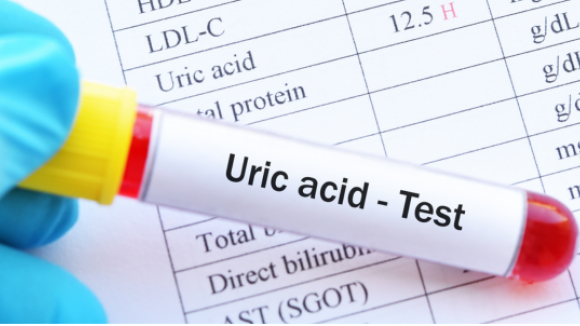
A recent report from China reaffirms the potential utility of salivary uric acid (UA) testing delivers smartphone-guided, enzyme-free gout screening at home for pennies per test.
In a recent JAMA Viewpoints article, Dr. Susan Ott addresses several controversies in preventing osteoporosis (OP) related fractures.
At the end of June, Sobi was awaiting an FDA decision on its Biologics License Application (BLA) for NASP (nanoencapsulated sirolimus plus pegadricase) for the treatment of adult patients with uncontrolled gout. On June 26, 2026, SOBI received a Complete Response Letter from the U.S. FDA that will delay a decision on NASP, pending the company's answer to questions regarding the drugs manufacturing at a 3rd party facility in China.

The New England Journal of Medicine (NEJM) retracted the pivotal study supporting FDA's approval of avacopan (Tavneos) for severe forms of anti-neutrophil cytoplasmic

A network meta-analysis in the Journal of Autoimmunity reviews the pharmacologic options for rheumatoid arthritis–associated interstitial lung disease (RA-ILD). RA-ILD guidelines were recently presented by ERS/EULAR, but these were mainly conditional, low-certainty recommendations.








By downloading this material, I acknowledge that it may be used only for personal use and personal education and that I will accredit RheumNow.com as the source and owner of this material. Commercial use or mass reproduction of this material without permission from RheumNow (info@rheumnow.com) is prohibited.



