News

Best of 2019 - New EULAR/ACR Classification Criteria for SLE
The European League Against Rheumatism (EULAR) and the American College of Rheumatology (ACR) have jointly developed new classification criteria for systemic lupus erythematosus (SLE); prompted by the need for criteria that were both highly sensitive and specific. The net result is improved sensitivity and specificity, but the use of positive ANA requirement along with a longer list of weighted criteria ensures its utility in SLE research (including early or latent SLE), but not clinical practice.
Gilead Submits Filgotinib NDA to the FDA
Gilead has submitted a New Drug Application (NDA) to the U.S. Food and Drug Administration (FDA) for filgotinib, an investigational, oral, selective JAK1 inhibitor for the treatment of adults who are living with moderate-to-severe rheumatoid arthritis (RA).
RheumNow Podcast – Merry Lupus XMAS (12.20.19)
Dr. Jack Cush reviews the news from the past week on RheumNow.com, just in time for Christmas!
Upadacitinib Effective in Ankylosing Spondylitis
Lancet reports that the selective JAK1 inhibitor, upadacitinib, was effective when given to patients with active ankylosing spondylitis.
Belimumab in Lupus Nephritis
Belimumab has been studied in an active lupus nephritis, phase 3 trial call BLISS-LN and shown to be effective as measured by trial of belimumab for the treatment of active lupus nephritis in adult patients.
Is Anifrolumab Good Enough for Systemic Lupus Erythematosus?
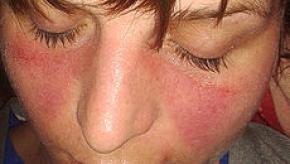
The NEJM published favorable results of a phase 3 trial of the alpha interferon inhibitor, anifrolumab, showing it to be superior to placebo in active systemic lupus erythematosus (SLE) patients studied for 48 weeks.

Fewer Lupus Flares on Low Dose Steroids
French researchers have shown that patients with systemic lupus erythematosus (SLE) and inactive disease are less likely to flare while taking a 5 mg prednisone maintenance dose.

Obesity Not Discussed by Doctors and Patients
Reuters - Doctors rarely talk about weight concerns with patients who are overweight or obese, and when they do, patients’ experiences tend to be negative, according to a new review of research based on interviews.
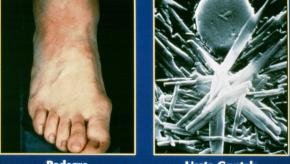
A Role for SGLT2 Inhibition in Gout?
The antidiabetic medication canagliflozin (Invokana) lowered serum urate and reduced the risk of gout flare in a post-hoc analysis of data from two large clinical trials.

Domestic Abuse Linked to Fibromyalgia and Chronic Fatigue
Domestic violence was found to predispose to a higher risk of fibromyalgia and those developing chronic fatigue syndrome.
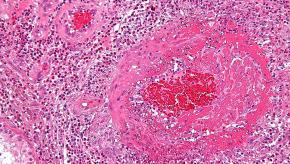
No Cancer Risk with Systemic Necrotizing Vasculitis
The French Vasculitis Study Group has published that patients with systemic necrotizing vasculitis do not have an increased risk of malignancy; in fact they have a risk that is similar to the general population.

Predicting Inpatient Gout Flares
Analysis of New Zealand hospitalized patients revals nine predictors of inpatient flare for people with comorbid gout.
This retrospective cohort study of hospitalised patients with comorbid gout included 625 hospitalised patients, 87 experienced inpatient gout flare.

RheumNow Podcast - The Elusive Hand OA Problem (12.13.19)
Dr. Jack Cush recaps the news and journal reports from the past week on RheumNow.com.