EULAR/EFORT Taskforce on the Management of Fragility Fractures
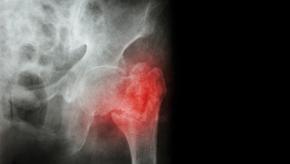
The morbidity associated with osteoporosis-related fragility fractures imposes tremendous socioeconomic and medical impact on patients and society.

Search for Terms or Answers
The morbidity associated with osteoporosis-related fragility fractures imposes tremendous socioeconomic and medical impact on patients and society.
Extending bisphosphonate treatment beyond 3–5 years does not confer additional benefit in low-risk populations. Treatment re-initiation (usually 1–3 years after bisphosphonate withdrawal) depends on risk factors, new fractures and bone mineral density. The evidence regarding denosumab discontinuation is limited but caution is advised, as there may be a “rebound effect” with regard to fractures.
On the 21st of April, the FDA approved another infliximab biosimilar, called Renflexis (Infliximab-abda) following on the biologics license application of the South Korean manufacturer Samsung Bioepis Co. LTD. In early developmental trials this agent was also called SB2.
Dr. Jack Cush reviews highlights from the past week on RheumNow.com:
Something is curiously wrong when a drug induces the disease it is intended to treat. Yet this phenomenon has been described with all five FDA-approved TNF inhibitors.
Patients with active axial spondyloarthritis (axSpA) can lack evidence of inflammation on magnetic resonance imaging (MRI) but may develop evidence of inflammation over time.
Lancet has reported the results of risankizumab, an interleukin-23 (IL-23) inhibitor, in Crohn's disease. Risankizumab is a humanised monoclonal antibody targeting the p19 subunit of interleukin-23, and is being developed for Crohn's disease.
The NY Times points out "there is is an out-of-control epidemic in the United States that costs more and affects more people than any disease Americans currently worry about. It’s called nonadherence to prescribed medications, and it is — potentially, at least — 100 percent preventable by the very individuals it afflicts.
Eli Lilly and Company and Incyte Corporation announced today that the U.S. Food and Drug Administration (FDA) has delayed its' decision on baricitinib by issuing a complete response letter for baricitinib's New Drug Application.
Dr. Jack Cush reviews the past week's news, articles and advances from RheumNow.com.
Steroids are known for their acute therpeutic wonders and chronic hazards. Hence most practitioners are comfortable using short term, limited dose corticosteroids for a variety of ailments.
When do the risks outweigh the benefits of NSAIDs use, especially in those with prior cardiovascular and gastrointestinal events? The CONCERN study has tested the effects of proton-pump inhibitor (PPI) in preventing GI bleeds when using NSAIDs and ASA.
JAMA has published a review of 15 RCTs (1711 patients) analyzing the role of spinal manipulation therapy in patients with acute low back pain. The authors found modest improvements in pain and function at up to 6 weeks, with temporary minor musculoskeletal harms.
Arkema et al has published in Annals of Rheumatic Disease a study showing that ischaemic and haemorrhagic stroke (CVA) is elevated in systemic lupus erythematosus (SLE) compared with the general population, especially in the first year.
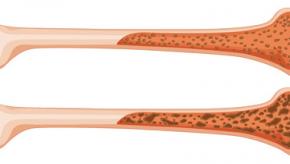
More research is needed to determine the benefits and harms of osteoporosis medications on bone mineral density (BMD), fracture risk, and safety among patients with chronic kidney disease (CKD). This is important because complications of CKD include weak bones and increased fracture risk.
By downloading this material, I acknowledge that it may be used only for personal use and personal education and that I will accredit RheumNow.com as the source and owner of this material. Commercial use or mass reproduction of this material without permission from RheumNow (info@rheumnow.com) is prohibited.