
News

Smoking & Autoantibodies in Rheumatoid Arthritis
Investigators from the Netherlands have published their findings that smoking is a risk factor in rheumatoid arthritis (RA), led by the induction of local autoimmune responses at mucosal sites (in the lungs) and exemplified by RA-specific autoantibodies.

Deep remission in SLE – what is it, and can we achieve it?
Recent reports on small numbers of lupus patients treated with CAR-T cells directed against CD19+ B lymphocytes have generated considerable excitement, not so much because the initial response to this therapy was favorable, but because after follow-up durations of two years or longer the patients were reported to have an ongoing clinical remission without the need for further treatment and in the absence of most autoantibodies. This state has been referred to in terms such as “immunological remission” or “resetting the immune system”, suggesting that an important and potentially permanent change had occurred. Perhaps we can call it a Deep Remission, for now. So what is this Deep Remission?
Lessons Learned from a Lupus Registry: Two sides of one coin?
I want to talk about a large Canadian registry that sometimes doesn't get as much airtime. Our group is called CaNIOS: Canadian Network for Improved Outcomes in SLE. We've enrolled more than a thousand patients, seen at least annually and some for many years. These patients are incident or prevalent and they've consented to be in the database. So what have we learned looking at kid-onset versus adult-onset lupus?
Comparing EULAR (2025) and ACR (2020) Guidelines on Safety of Lupus Medications in Pregnancy
Attendees at the 2025 RheumaPreg meeting were excited to discuss the newly released EULAR recommendations for use of antirheumatic drugs in reproduction, pregnancy, and lactation. Table 1 summarizes the major recommendations from EULAR (2025) and the American College of Rheumatology (2020) reproductive guidelines for commonly used medications in SLE. It should be noted that these two sets of guidelines largely align, however, the updated EULAR guidelines have included some additional medications incorporating data from the last five years.
SLE Perspectives: Past, Present, Future
From fellowship through current times to looking ahead to the future, here are my lupus perspectives.
Vitamin D Headlines (5.9.2025)
Dr. Jack Cush reviews the news, journal reports and lupus highlights from the past week on RheumNow.com. Triple positivity, the gut and CRPS, and hope for better outcomes with Vitamin D therapy.

Risk Factors for Knee Osteoarthritis
EurekAlert!

Emulation trials in SLE: Real or Fake?
Recently a landmark paper was published in A&R studying the results of an emulation trial on SGLT2i (sodium-glucose co-transporter 2 inhibitors) showing benefit in SLE patients with diabetes mellitus (DM), for both renal protection and reducing cardiovascular events, using data from an American large insurance claim database. My colleagues and I were able to write an editorial on this paper and describe emulation trials.
More Women with Autoimmune Diseases Die from Cardiovascular Disease
EurekAlert!

D-Lay Trial: High-Dose Vitamin D Retards Multiple Sclerosis
A randomized clinical trial with oral high-dose cholecalciferol ( vitamin D3) was shown to prevent or delay the onset of clinically isolated syndrome (CIS), typical for multiple sclerosis (MS).
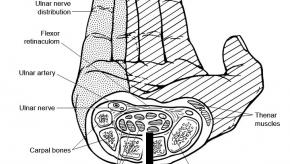
Carpal Tunnel Syndrome as a Harbinger of Rheumatoid Arthritis
MedPage Today

Prophylaxis Against PJP in SLE: I'll Pass
I think we're all somewhat familiar with PJP prophylaxis. This is the thing we do to stop the scary, opportunistic infection that affects people who are immunocompromised. I'm going to start by actually steelmanning the case for doing PJP prophylaxis before I explain why I think you probably shouldn't be doing too much of it.
Stable SLE - Should you Withdraw Immunosuppressant or Glucocorticoids?
An open-label, single-centre, randomized controlled trial tested whether immunosuppressant (IS) withdrawal is noninferior to glucocorticoid (GC) withdrawal in systemic lupus erythematosus (SLE) patients and found that IS withdrawal is noninferior to GC withdrawal in SLE patients in long-term