Search for Terms or Answers
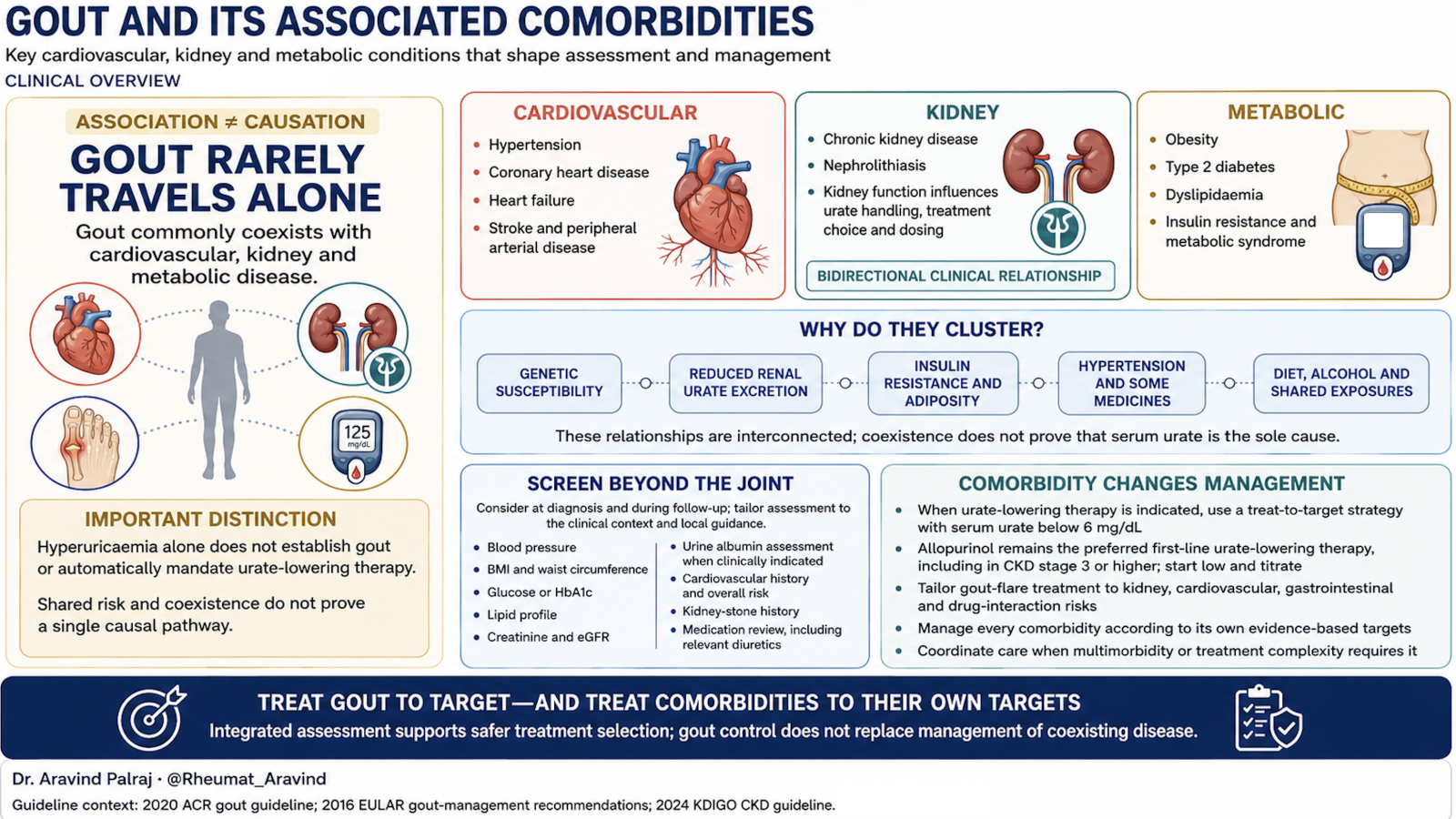
We have spent decades teaching that a gout flare is a joint problem: a hot, swollen, painful joint that we treat with anti-inflammatory drugs and move on from (i.e., the treat to avoid symptoms strategy). The campaign title says it well — gout is more than flares. I would add
Dr. Jack Cush reviews the news, journal reports from the past week on RheumNow.com.
William James famously wrote in Pragmatism, “There can be no difference anywhere that doesn’t make a difference elsewhere.” Gout treatment offers a striking medical example of that idea. Drugs prescribed to calm flares or lower uric acid are designed with one primary goal in
For many people, gout is viewed as an episodic disease: a painful flare, a short course of treatment, and then life returns to normal. However, as rheumatologists, we know that recurrent attacks can lead to joint damage and tophi if left untreated. Furthermore, the true burden of gout extends
Dr. Jack Cush reviews the news, journal articles and Gout features from this past week on RheumNow.com.
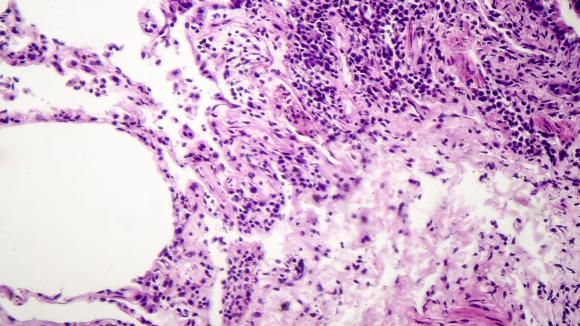
A network meta-analysis in the Journal of Autoimmunity reviews the pharmacologic options for rheumatoid arthritis–associated interstitial lung disease (RA-ILD). RA-ILD guidelines were recently presented by ERS/EULAR, but these were mainly conditional, low-certainty recommendations.
People with rheumatoid arthritis are at risk of developing interstitial lung disease (RA-ILD), which is associated with high mortality. ANCHOR-RA is a large, international cross-sectional prospective study that will enable the development of a multivariable model to help detect RA-ILD.5
Systemic autoimmune diseases are associated with increased cardiovascular morbidity and mortality – possibly through autonomic imbalance, myocardial inflammation, or fibrotic infiltration of the conduction system. A team in Colombia have been looking into the
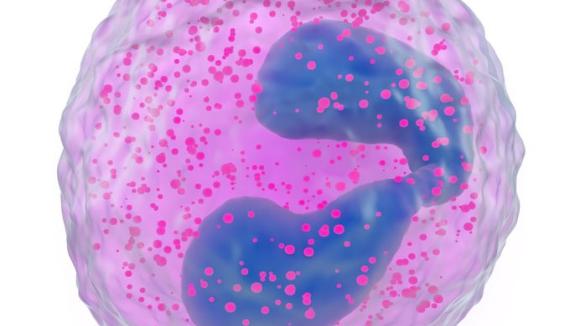
A current review of eosinophilic granulomatosis with polyangiitis (EGPA) provides current recommendations on diagnosis and management.
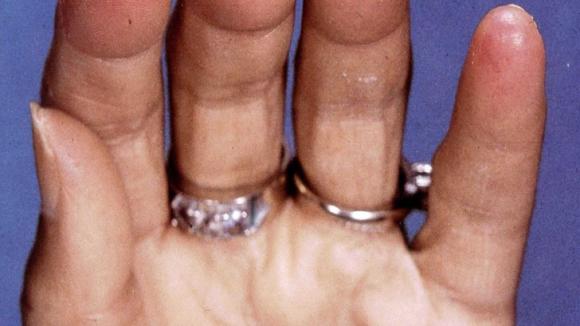
In an oral abstract presentation at EULAR 2026, results were shared from a longitudinal observational analysis of the EUSTAR database. The aim was to characterise organ involvement and disease progression – and time to these events – stratified by having a modified disease activity index (
By downloading this material, I acknowledge that it may be used only for personal use and personal education and that I will accredit RheumNow.com as the source and owner of this material. Commercial use or mass reproduction of this material without permission from RheumNow (info@rheumnow.com) is prohibited.