
Article
Dr. Jack Cush reviews the news and journal reports from the past week on RheumNow.com.

Search for Terms or Answers
Dr. Jack Cush reviews the news and journal reports from the past week on RheumNow.com.

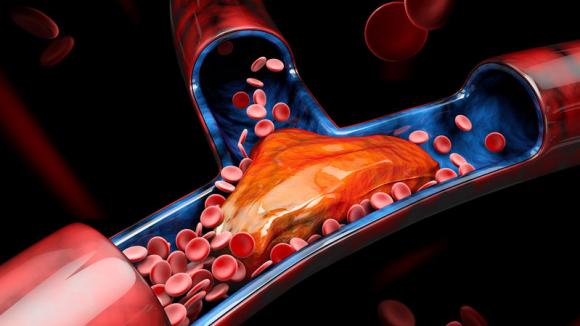
Severe and fatal outcomes with coronavirus infection are often the result of the downstream damage that follows the viral infection.
Modifiable lifestyle choices can impact long term health. A recent study shows that usual and increased physical activity can results in less hospitalization amongst the the general population.

Dr. Len Calabrese from the Cleveland Clinic delivers this week's Tuesday Nite Rheumatology Grand Rounds, entitled "IL-6 in Health and Disease: Where Rheumatology Meets COVID-19".
Dr. Calabrese provides a comprehensive review of IL-6 biology, and discusses IL-6 signaling, IL-6 roles in health, exercise, infection, innate and adaptive immunity as pertains to both rheumatology and the management of coronavirus infection.
Hydroxychloroquine has been a dominant news item since the start of the COVID-19 crisis, with a great deal of misconceptions by those who don't know or use or take the drug. HCQ leaped to the headlines on March 19th when President Trump endorsed the drug as being “approved” by FDA. Of course at that time, it was still only approved for SLE, RA and malaria and it wasn't until 2 weeks later (March 31st) that the FDA issued an "emergency use authorization" allowing the use of either chloroquine or HCQ for treatment of severe, hospitalized patients with COVID-19.
To provide clarity and evidence - here are some of the facts you need to know.

On April 26, 2020 the American College of Rheumatology (ACR) published a guidance paper to assist rheumatologists and rheumatology health professionals in assessing the need for urgent or face-to-face medical care versus virtual or telehealth patient care. The driving principals being

JAMA Internal Medicine has reported that cigarette smoking associated with an increased odds of having antineutrophil cytoplasmic antibody–associated vasculitis (AAV) (especially MPO positive AAV) and is thereby a modifiable risk factor for AAV.

Many patients with rheumatoid arthritis (RA) who achieved remission or low disease activity on biologic treatment were able to reduce the dose of their biologic, particularly if they were also on methotrexate, a retrospective study found.
JAMA Cardiology reports the risk of QT (QTc) prolongation when hydroxychloroquine (HCQ) was given to hospitalized patients with coronavirus disease 2019 (COVID-19), especially when given with azithromycin.


By downloading this material, I acknowledge that it may be used only for personal use and personal education and that I will accredit RheumNow.com as the source and owner of this material. Commercial use or mass reproduction of this material without permission from RheumNow (info@rheumnow.com) is prohibited.



