
Article
Rates of serious infection and mortality among patients with systemic lupus erythematosus (SLE) did not depend on the immunosuppressive drug regimen they were on, investigators reported.

Search for Terms or Answers
Rates of serious infection and mortality among patients with systemic lupus erythematosus (SLE) did not depend on the immunosuppressive drug regimen they were on, investigators reported.
Ilaris was previously approved for use in systemic JIA and CAPS. The FDA has expanded this to include TRAPS, Hyper-IgD and FMF based on clinical trials.
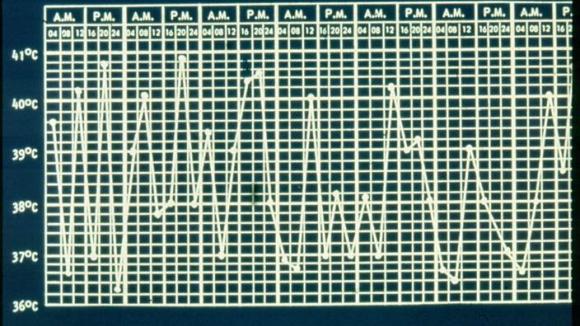
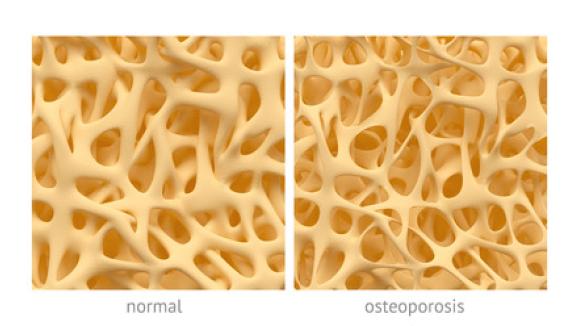
Romosozumab is being developed as a novel therapy for osteoporosis. It is a monoclonal antibody that binds sclerostin, and has been shown to increase bone formation while decreasing bone resorption.

2016 has been a big year for biosimilars in rheumatology.

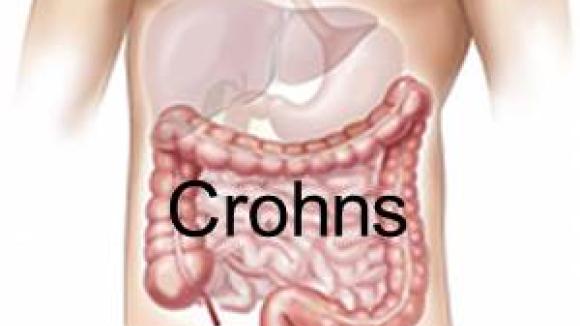
The anti-IL-12/IL-23 inhibitor, Stelara (ustekinumab) has been FDA approved for the treatment of psoriasis and psoriatic arthritis. In the last week, the EMA's CHMP has recommended that the drug also be approved for use in Crohn's disease.
Dr. Jack Cush reviews highlights, news and articles from the past week at RheumNow.com:

Who makes billions in profits and millions in bonus monies? PBMs and insurers, thats who.
This week United Healthcare and Express Scripts announced new plans to restrict patient and prescriber access to popular, expensive, albeit FDA-approved, medications and biologics.
Who benefits, who loses?

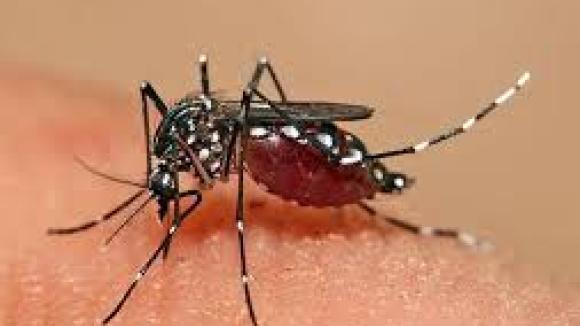
What does sex have to do with it? Although the Zika virus infection is known to be sexually transmitted, the same cannot be claimed for Dengue or Chikungunya.
The world of PID (Primary immunodeficiency diseases) has changed remarkably over the past 5 years.

JAMA has reported the results of a 24-month trial showing that obese individuals on a long-term healthy diet and exercise program do not have significantly more weight loss from using a wearable device that tracks their activity.

Most US rheumatologists use multiple TNF inhibitors before switching. A new French study suggests that "other-MOA", non-TNF biologics are more effective after failing a TNF inhibitor.

A recent review has shown that tumor necrosis factor-α inhibitors (TNFi) rarely cause MS-like disorders.

The osteoporsis therapeutics arena is starting to fill with new drugs and novel mechanisms of action.
A review of this week's news including the cost of opioid abuse, a RTX biosimilar, a new drug for scleroderma, a new shingles vaccine and a CPAP disappointment.
The Sept.16th issue of MMWR reports that many Americans over age 50 are not getting sufficient exercise, thereby increasing their risk for falls, fractures and comorbidities, if not premature death. (Citation source http://buff.ly/2cPAcq9)

In the current issue of the NEJM, a Herpes zoster subunit vaccine was reported to be highly effective in adults - specifically in 2 studies (ZOE50 and ZOE70) targeting adults over age 50 and over age 70 years. (Citation source: http://buff.ly/2cMng17)

Updates and journal articles on opioids, drug induced sarcoidosis, cancer and cancer recurrence risks with TNF inhibitors and biologics, and FDA labeling changes.

The current issue of ACP Internist discusses the considerable dissent among the medical community about fibromyalgia (FM), its cause, diagnosis and care. This review addresses many concerns with input from well-known experts in rheumatology.

Rheumatologists may encounter patients with intermediate, posterior and pan-uveitis as part of certain rheumatic diseases such as Behcet’s, but more frequently may be called on to co-manage these patients with steroid sparing agents.
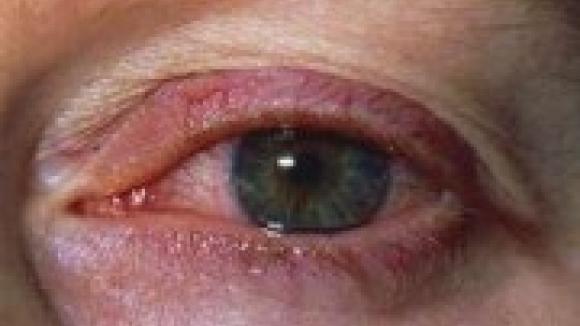
The International Osteoarticular Mycoses Consortitum has publist their review Aspergillus arthritis caused by invasive aspergillosis.
Their review identified 31 evaluable cases, 87% of whom were males and adults.
By downloading this material, I acknowledge that it may be used only for personal use and personal education and that I will accredit RheumNow.com as the source and owner of this material. Commercial use or mass reproduction of this material without permission from RheumNow (info@rheumnow.com) is prohibited.

