
Article
On Friday the U.S. Food and Drug Administration announced that will not approve Johnson & Johnson’s rheumatoid arthritis drug sirukumab, stating further data and study would be needed to establish its safety.

Search for Terms or Answers
On Friday the U.S. Food and Drug Administration announced that will not approve Johnson & Johnson’s rheumatoid arthritis drug sirukumab, stating further data and study would be needed to establish its safety.

A one-year prospective study of 624 patients undergoing autoantibody testing for anti-SS-A and/or anti-SS-B autoantibodies finds that isolated anti-SS-B autoantibodies was not associated with features or the diagnosis of any specific connective tissue diseases (CTD).
The RheumNow Week in Review discusses the past week's news, journal articles and highlights from RheumNow.com. This week's report discusses survey results on membranous nephritis and patient perceptions of steroids, nonadherence, celebrity arthritis and IgG4 treatment.

The Journal of Bone and Mineral Research reports that older men with undiagnosed vertebral fractures are likely to report new or worsening back pain. (Citation source bit.ly/2y9rMiZ)

PLOS reports greater than 90% efficacy when rituximab (RTX) is used to treat patients with IgG4-related disease (IgG4-RD).

The NEJM reports that in high risk post-menopausal women, romosozumab for 12 months followed by alendronate resulted in a significantly lower fracture than alendronate alone.
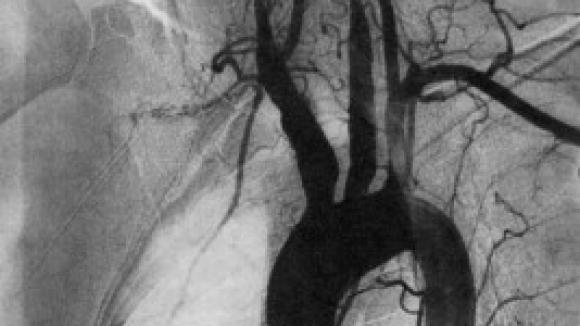
A French retrospective study of 318 Takayasu's arteritis (TA) patients shows that 50% of patients will relapse and experience a vascular complication ≤10 years from diagnosis.
The CDC has reported its 2013 and 2014 prevalence statistics for arthritis and other chronic medical conditions affecting U.S. adults aged ≥18 years. Data is drawn from the ongoing Behavioral Risk Factor Surveillance System (BRFSS), a state-based, telephone survey of noninstitutionalized adults. Data herein is self-reported arthritis (OA, RA, Gout, FM) and is quantified by state and metropolitan areas.

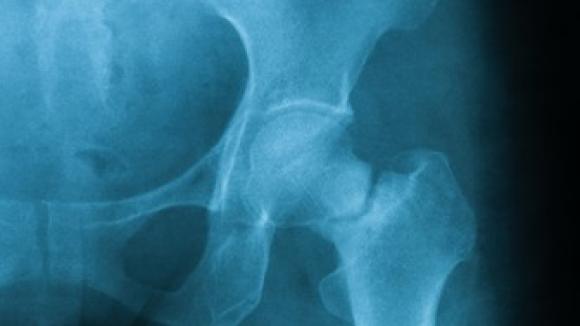
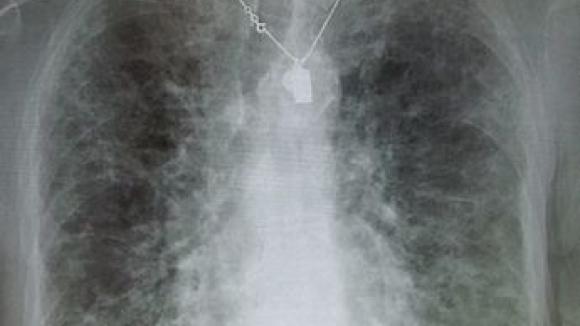
Annals of Rheumatic Disease has published a Danish population based study demonstrating the high mortality rates seen with interstitial lung disease (ILD).
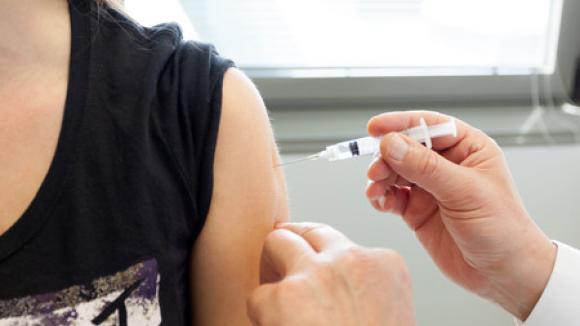
The RheumNow Week in Review discusses the past week's news, journal articles and highlights from RheumNow.com. This week's report discusses metabolic syndrome in lupus, bisphosphonate holidays, vasculitis and vascular inflammation, vaccination, and the repeated wonders of Vitamin D.
A Swedish study has shown that occupational silica exposure increases the incidence rates of sarcoidosis and rheumatoid arthritis (RA) in those exposed workers in Swedish iron foundries.

Reuters reports that the FDA advisory panel has voted 11-0 in favor of the safety and efficacy and ultimate approval of GlaxoSmithKline’s Shingrix shingles vaccine for use in adults aged 50 and over.

It is well known that influenza infection is more common in patients with rheumatologic diseases. Blumentals et al.
Interleukin-4 has been shown to activate sensory neurons involved in pruritus, and that inhibition of IL-4 with Jak inhibition significantly alleviates itching.

Infections and noninfectious pulmonary disease were associated with an increased risk for idiopathic inflammatory myopathies (IIM), a Swedish study found.

Adult-onset Still's disease (AOSD) is the adult continum of systemic-onset juvenile idiopathic arthritis (SoJIA). Treatment of this febrile polyarticular systemic disorder can be complex, but has been relieved by several specific biologic therapies.

The RheumNow Week in Review discusses the past week's news, journal articles and highlights from RheumNow.com. This week's report includes trends in MTX use and outcomes, fibromyalgia as an inflammatory disorder, drugs that stop psoriasis pruritus, drugs that don't cause TB, cardiovascular risk, and what Rheums think of ACR/EULAR criteria.
Hugo E. Jasin, M.D., a long-time faculty member at The University of Texas Southwestern Medeical Center and the University of Arkansas College of Medicine, passed away on August 24th, at the age of 84 years.

The introduction of a growing number of biosimilars into the market poses a substantial change in cost of care for patients with inflammatory rheumatologic disorders.
A large multi-center study of cardiovascular (CV) risk factors in rheumatoid arthritis (RA) has shown, after nearly 6 years follow-up, more CV events in males than females (21% vs. 11%, respectively) and that RA itself accounts for 30% of the attributable CV risk.

By downloading this material, I acknowledge that it may be used only for personal use and personal education and that I will accredit RheumNow.com as the source and owner of this material. Commercial use or mass reproduction of this material without permission from RheumNow (info@rheumnow.com) is prohibited.

