It is well-known that patients with systemic autoimmune diseases are at risk for Pneumocystis jirovecii pneumonia (PJP) and although infrequent, it carries a high mortality. A new study shows lymphopenia and steroid use increases the risk of PJP.

All News
Dr. Jack Cush reviews highlights from the past week on RheumNow.com:
Pianta, et al have published their findings in the Journal of Clinical Investigation showing that two novel autoantigens, GNS and FLNA, are highly expressed in synovium and share a sequence homology with gut microbesa; thereby providing a potential link between gut mucosal and joint immunity in rheumatoid arthritis.
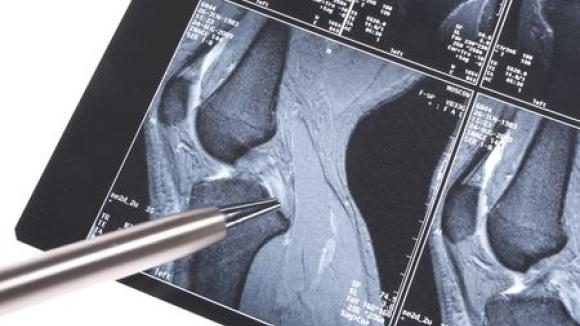
Researchers from Augusta University have examined exosomes from patients with knee osteoarthritis (OA) to enhance our molecular understanding of the pathogenesis of OA. (Citation source http://buff.ly/2tuDZ3v)
Dr. Sharad Lakhanpal, President of the American College of Rheumatology has responded to the Senate's proposed changes to healthcare coverage in the USA.
It is a common practice for rheumatologists to discuss medication-related teratogenicity and disease implications in case of pregnancy. Yet, discussion of breastfeeding are often omitted.
Dr. Janet Pope reviews her favorite and least favorite presentations and abstracts from EULAR 2017.
Based on recent clinical trials, the makers of golimumab have petitioned the FDA for new indications in PsA and AS. Trials for PsA (GO-VIBRANT) and AS (GO-ALIVE) were presented at last weeks EULAR 2017 meeting in Madrid, Spain.
Dr. Jack Cush reviews his approach to attending and getting the most out of ACR or EULAR Congress meetings.
The Canadian Medical Association Journal has studied the costs of prescription drugs in 10 high-income countries (seven European countries, Australia, Canada and New Zealand) and found that many of these medicines varied by more than 600%.
Bone turnover markers (BTMs) have been eyed for decades as potential monitoring tools in osteoporosis.
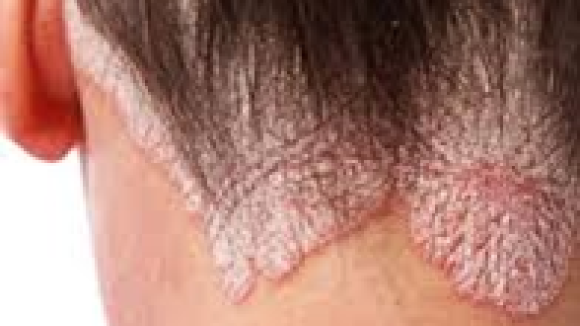
Therapeutic options for cutaneous psoriasis (and psoriatic arthritis as well) are rapidly expanding. Lancet has published the impressive results of two phase III trials of tildrakizumab, a IgG1 antibody against interleukin 23 p19, in patients with active chronic plaque psoriasis.
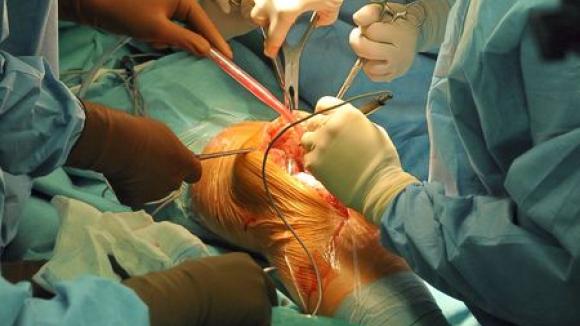
The American College of Rheumatology has partnered with the American Association of Hip and Knee Surgeons to develop consensus-based guidelines for perioperative management of antirheumatic therapies for patients with rheumatic diseases who plan to undergo total joint replacement.
Saturday was a day of big posters and special seminars at EULAR in Madrid. In the morning, I passed on an interesting session on nailfold capillaroscopy led by Dr. M Cutolo and went to a JIA outcomes session.
Because of the subjective nature of fibromyalgia symptoms, tools for monitoring of disease activity and/or treatment assessment tools to evaluate effectiveness of nonpharmacological modalities are difficult to develop.
Researchers sought to describe the characteristics of patients with concurrent septic and crystal arthritis through a retrospective analysis of patients with the concomitant diagnoses between 1985-2015 at a university hospital in Spain.
Friday was a mega-day in Madrid as this day all the late-breaking abstracts were presented, in addition to the bulk of high-impact podium presentations in several areas.
Here are the major presentations from several clinical areas.
A double-blind, placebo-controlled, multicenter study aimed to evaluate efficacy and safety of a fully human monoclonal anti IL-23 antibody guselkumab, in patients with active psoriatic arthritis.
Today during the comorbidities in RA session, Dr. Leonard Calabrese spoke about herpes zoster (HZ).
Young patients with systemic lupus erythematosus (SLE) get diagnosed before they have completed their families. About 30 or 40 years ago, most rheumatologists were not recommending pregnancy for their lupus patients. However, in recent times, outcomes have considerably improved.